Came to Stay
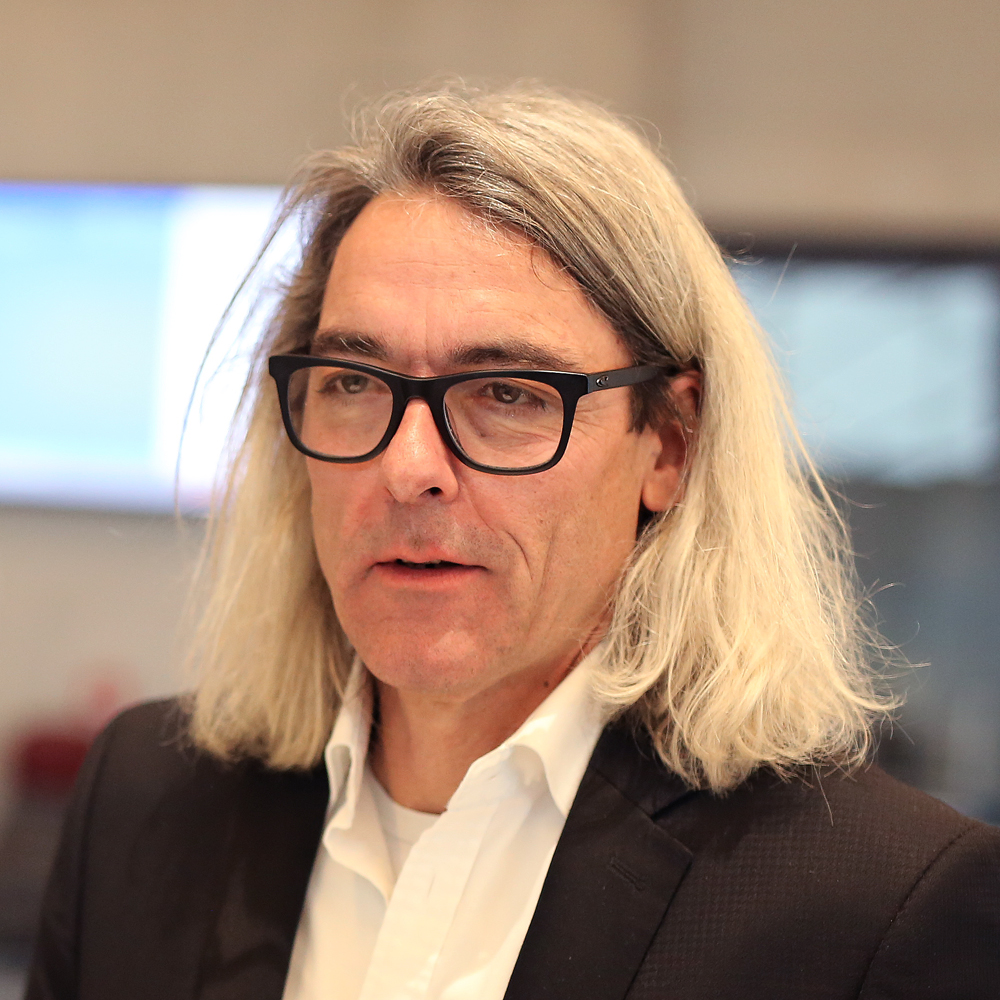
The happiest people in the world live in Scandinavia. Travellers heading for the North Cape can see this for themselves at length on the long journey. Perhaps some of them will then share the fate of Swiss-born Sara Utvaag Gass: she stayed in the far north and has lived in Norway for more than 30 years.
When Sara Utvaag Gass talks about Norway, her eyes sparkle. Even after more than 30 years. «I love this country. And I will never go back to Switzerland.» Not because she doesn't like Switzerland, quite the opposite. The 52-year-old always looks forward to her visits to Switzerland and to seeing her old school friends. She also keeps trying to watch Swiss and German television, for the sake of the language. After all, every now and then Sara really does have to search for the German words. So what fascinates her so much about Norway? The fantastic nature and the fjords, of course. «But please don't get me wrong, we Norwegians don't paddle around in these fjords all day catching fish,» says Sara Utvaag Gass with a laugh. «After all, Switzerland doesn't consist only of mountains either.» No, it is of course the modern, Nordic way of life. It is the people.
Travellers gain a big and multifaceted impression when they take the classic grand tour through Scandinavia. The outward journey goes via Denmark and Sweden, by ferry across to Finland, up to the North Cape and then back through Norway. It is a long distance to cover by coach, around 4,500 kilometres, but an eventful and often simply relaxing one. Travelling on the roads of Scandinavia cannot be compared with the hustle and bustle of Central Europe. Driving in Scandinavia is freedom. You roll along the roads absolutely stress-free and can enjoy these beautiful landscapes.
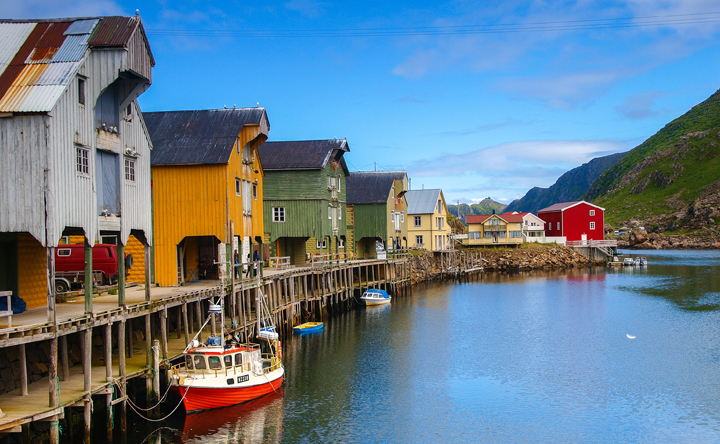
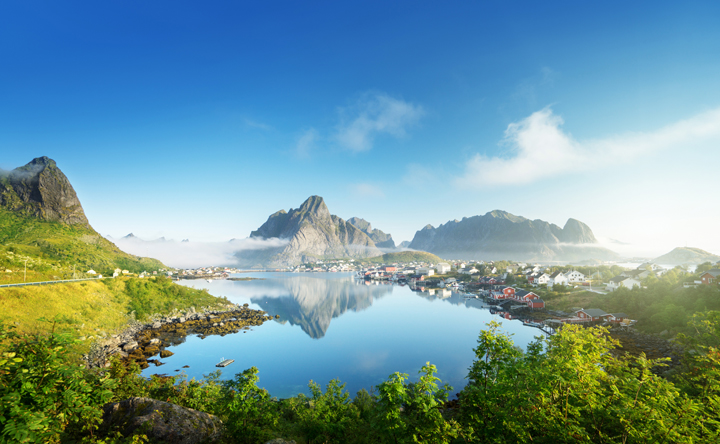
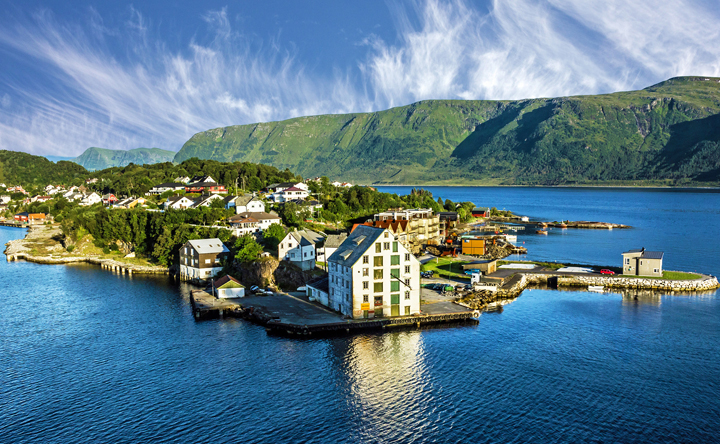
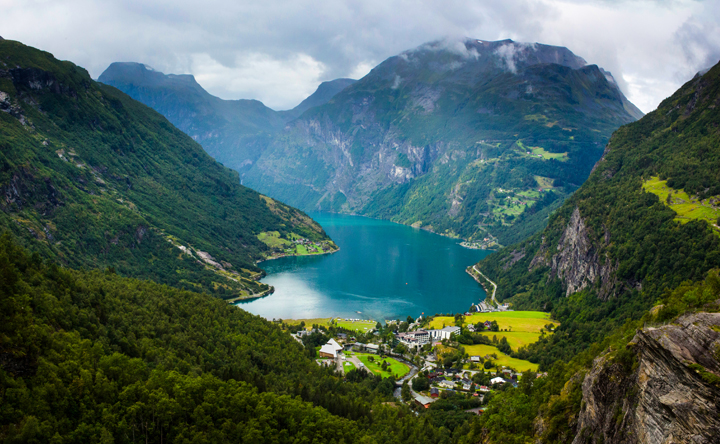
Experiences of nature are indeed the focus of this trip. First the wide expanses of Denmark and the lovely, romantic landscapes of southern Sweden, then the thousands of lakes in Finland, the barren regions in the far north and finally the imposing fjords of Norway. Reindeer, elk, and perhaps even a bear or wolf will be sighted.
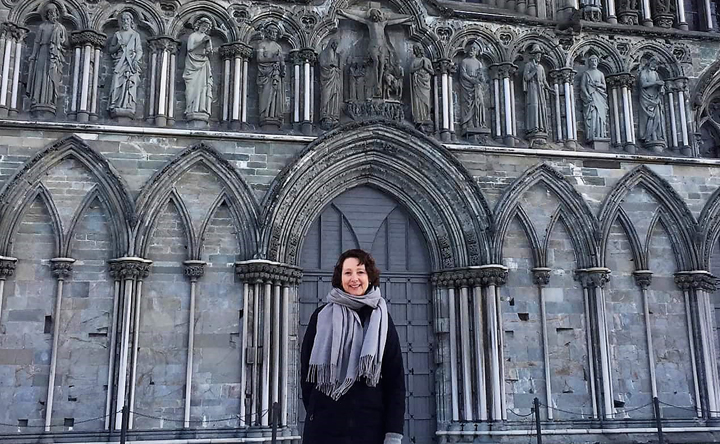
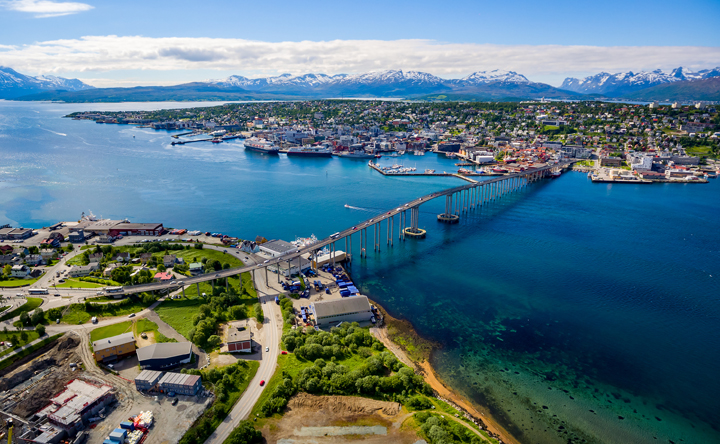
«People here are generally very connected to nature,» says Swiss emigrant Sara Utvaag Gass. «Even those who live in the big cities.» At weekends, Nordic people like to pack up their belongings, put them in the car and drive to their holiday cabin by a lake, perhaps by the sea or even somewhere in the forest. There they enjoy time with their family, with friends or sometimes simply entirely on their own – and with nature. Sara Utvaag Gass also enjoys being out in nature. She has discovered the harsher climate of the north for herself. At first she lived for a long time in the south of Norway, and only later moved further north, to Trondheim, which with around 191,000 inhabitants is the third-largest city in Norway. «Now I have finally arrived at home.» In her free time, she likes to travel even further north towards the Arctic Circle. «Even in midsummer it is rarely hot up there,» says Sara with a laugh. And for describing the landscapes she finds just one word: «Wow!»
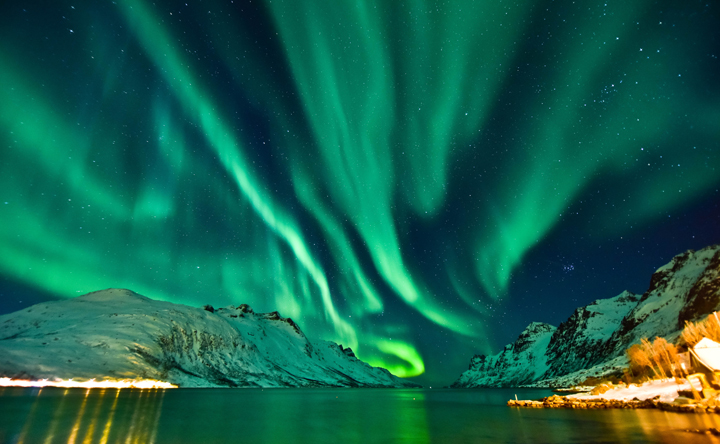
She enjoys the long days up there in the summer months just as much as the many tourists do. But how does she cope with the dark winter season, which – apart from snow fanatics and northern lights hunters – visitors avoid? «It takes a lot of getting used to,» says Sara. «It took me two years. In Trondheim it already gets dark at 3 pm and only gets light again around 9 am. And when my Swiss friends tell me on the phone that spring is starting where they are, we still have snow. But then it is all the more beautiful when the snow melts and the land is bathed once again in that wonderful Nordic light.»
People's closeness to nature is of course most obvious right at the top, in Lapland, the vast area that also includes part of Russia. The Sami people have been living and struggling with the forces of nature there since time immemorial. But also always for their recognition. The Sami do have a cross-border parliament, but their political rights and influence differ greatly from country to country. The Sami enjoy the most rights in Norway. Which is not surprising: according to statistics, Norway is one of the most progressive and democratic countries in the world. And here live the happiest people: in the UN's World Happiness Report, Norwegians always rank among the top places, followed by the other Northern European countries and – Switzerland. People who have emigrated to Norway are said to be particularly content. Sara Utvaag Gass is a good example.
Of course, it is also the advantages and conveniences of the welfare state that lead to this result. But not only that, because you have to work in Norway too. And not a little. Norway is expensive. The Swiss are probably the only foreigners who do not gasp when paying in the supermarket or at a restaurant, because after all we – like Norway not a member of the EU – are used to high prices.
What is extremely unfamiliar, on the other hand, is that Norwegians are nowhere near as attached to their currency, the Norwegian krone, as the Swiss are to the franc: «Cash?» asks Sara Utvaag Gass. «No, I don't need that any more.» People pay by credit card, even tiny amounts. Or with a smartphone. Even among themselves. «If a friend gets something for me, I simply «vipps» her the amount.» Vipps? That comes from VIPPS, a payment app for your phone used to handle everyday payments.
The VIPPS app or the credit card really gets a workout when buying alcoholic drinks. Beer, wine and spirits can only be bought in state-run shops, only at certain times and, because of the high tax, at horrendous prices. People still like to drink, and a lot. Anyone who doesn't want to stock up at one of the state-run alcohol shops, the «Vinmonopolet», for cost reasons organises their drinks, for example, on a trip to Sweden, where alcohol is a little cheaper. Or they treat themselves to a mini cruise to Germany and stock up on the ship at much lower prices still.
If you invite people to a barbecue and don't want to ruin yourself, you don't ask your guests to bring their own food to grill, as in Switzerland, but to lug along the beer. For young people who like to party in clubs, it is a little trickier still, as hardly anyone can afford more than one or two beers at the bar. But here too, Norwegians are inventive: «We have what is called a «Vorspiel»,» says Sara Utvaag Gass with a smile. Vorspiel? No, despite her gaps in German vocabulary – here Sara means what she says. «For the Norwegian pre-party we actually use the German word.» In Norway, however, Vorspiel has nothing to do with sex. «Vorspiel means pre-drinks,» explains Sara. «You meet up somewhere private for a drink before going out.» Norwegian also has the German word Nachspiel. Again, nothing sexual is meant by it. For the Nachspiel you meet after going out. Also for drinking.