


Dresden Elbland: Discover beauty
Partner contribution from Dresden Marketing GmbH
The Dresden Elbland region offers a surprising amount of variety on both sides of the Elbe, from Pirna via Dresden to Torgau. World-famous cities fascinate here, as do enchanting village centres and special natural beauty spots. Here the sound of great orchestras touches the heart just as the gentle rustle of the Elbe meadows does. An appealing destination, then, for discerning culture lovers and relaxed active holidaymakers alike.
Culture with a great tradition. In Dresden ...
Dresden is regarded as one of the most beautiful cities in Germany and gained its worldwide fame in the 16th century. The reconstruction and restoration work in the city, destroyed in the Second World War, is largely complete. The Frauenkirche, the Semperoper, the Fürstenzug, the Residenzschloss and much more – Dresden has plenty to offer!


No wonder Dresden is also called Florence on the Elbe: in one of the greenest cities in Europe, world-renowned museums, Baroque elegance and the oldest and largest paddle steamer fleet in the world await you. Outstanding ensembles such as the Sächsische Staatskapelle Dresden, the Dresdner Philharmonie or the Dresdner Kreuzchor, founded more than 800 years ago, shape the city's distinctive sound. So do the Dresdner Musikfestspiele and the International Dixieland Festival Dresden, which, even after many decades, continue to attract music lovers from all over the world. There are over 30 stages in the city area, for example at the Staatsschauspiel Dresden, the Staatsoperette Dresden and the tjg. theater junge generation with their new, modern venues in the Kraftwerk Mitte Dresden, a former heating power station in the heart of the city.
...and the Elbland.

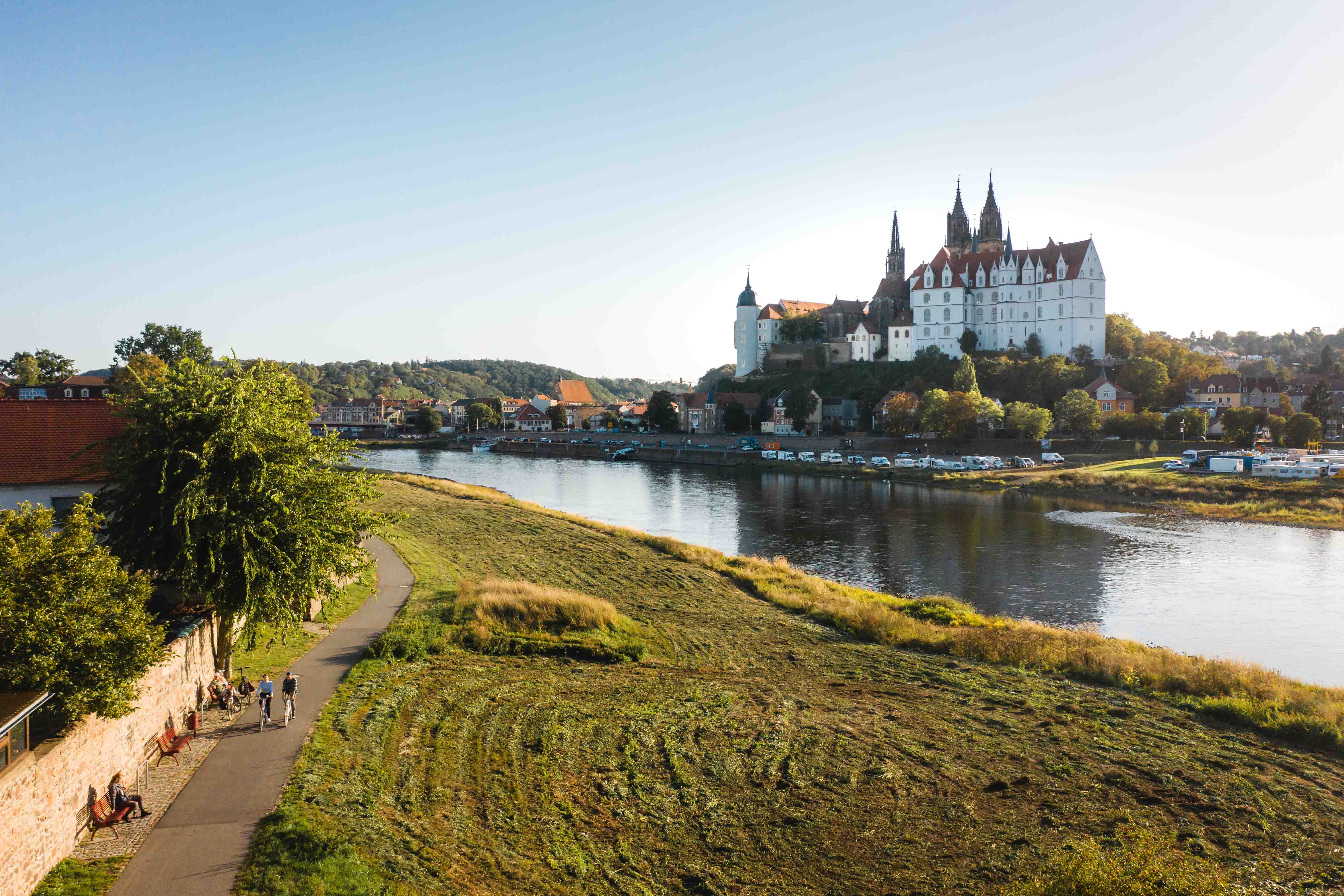
Anyone exploring the Elbland experiences a special blend of culture, nature and enjoyment. Visitors head for the region's hotspots such as Torgau, Meissen and Radebeul, but are also invited to get to know little gems such as the wine village of Diesbar-Seusslitz or Zabeltitz with its impressive Baroque garden. The Renaissance and Luther town of Torgau impresses with its imposing castle and eventful past. Meissen tells more than 1,000 years of Saxon history and, as the city of so-called “white gold”, captivates porcelain lovers from all over the world. Elegant villa districts, romantic vineyard slopes, magnificent gardens and a historic village centre that has become a gourmet mile – that is Radebeul. And Moritzburg with its “fairytale castle”, the Saxon State Stud and the almost park-like woodland and meadow landscape is worth a visit all year round. The hallmarks of the town of Pirna are its small alleys and, above all, sandstone, the building material of Baroque dreams.
Nature and enjoyment
In Dresden Elbland you are travelling in the north-easternmost wine-growing region in Europe. The Saxon region between Pirna and Diesbar-Seusslitz tempts with a Mediterranean lifestyle and regional wines. What is typical of Saxon wine can be savoured to particular effect on a visit to a winegrower or on a vineyard tour along the Saxon Wine Trail . Regional specialities appear on tables in many places in Dresden Elbland and also inspire the region's Michelin-starred restaurants.


The landscapes are best experienced actively – by bike, on foot or by folding kayak on the Elbe. Like a pulsating artery, the Elbe Cycle Route runs through Dresden Elbland and brings walkers, joggers and cyclists together. Well-signposted cycling and hiking routes lead through forests, vineyards and pond landscapes on both sides of the Elbe.
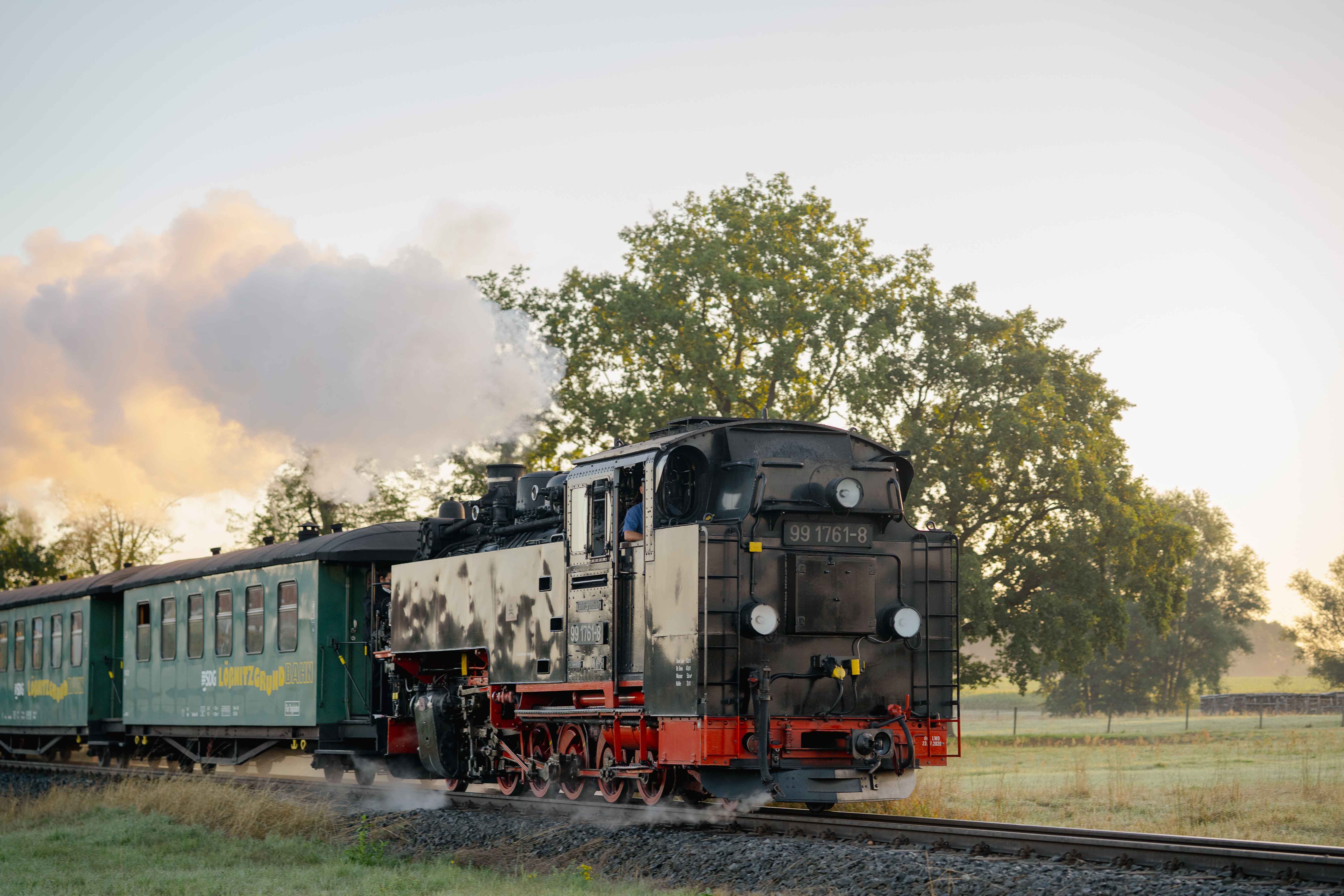

Two historic mountain railways on the Elbe slopes, the oldest and largest paddle steamer fleet in the world, a unique steam locomotive tradition with two narrow-gauge railways and “Dorothea”, the world's first electric mine locomotive, invite you to “experience” Dresden Elbland at a leisurely pace.
Experience the real spots of Romanticism

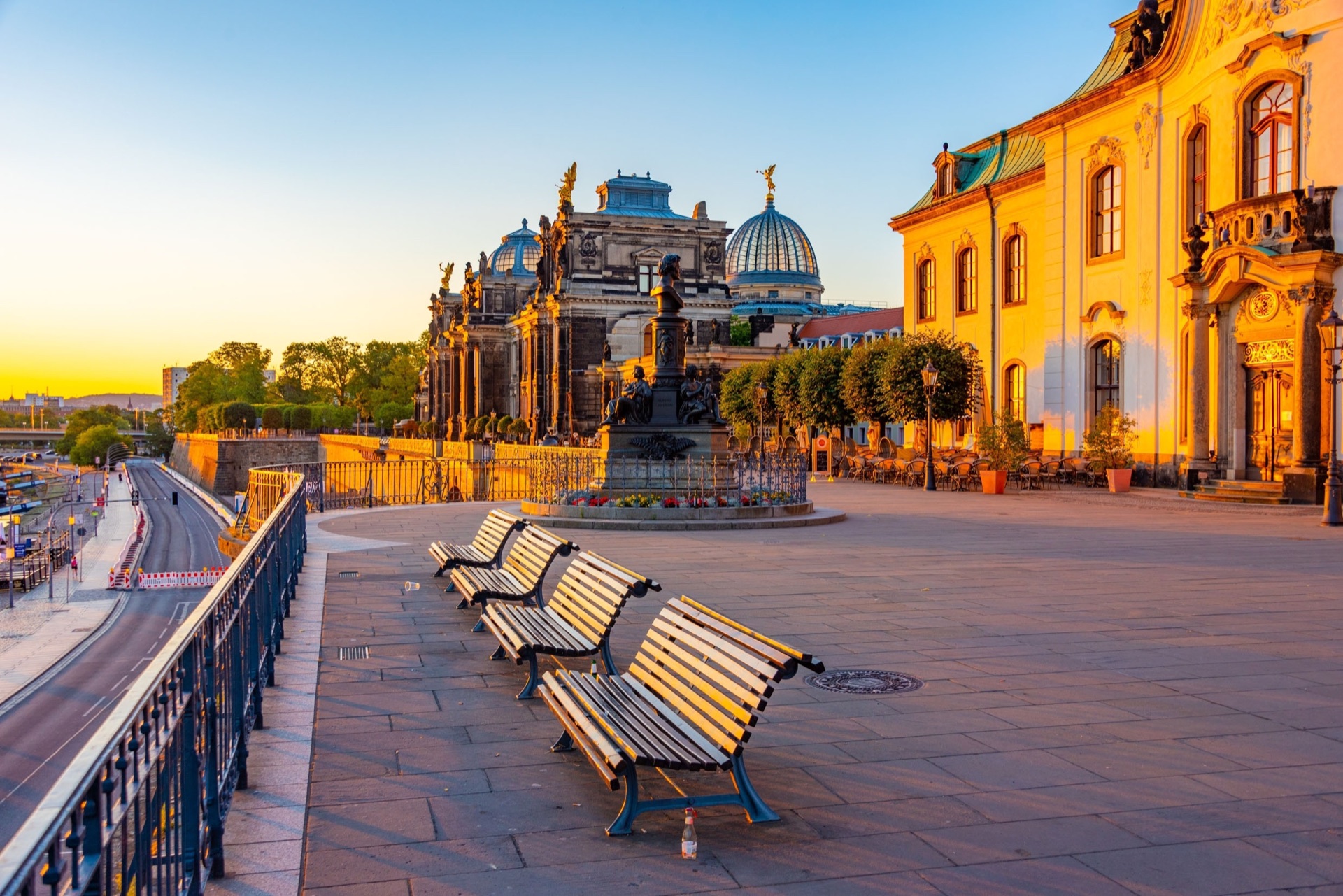
On 5 September 2024, Dresden celebrated the 250th birthday of Caspar David Friedrich . The most important artist of German early Romanticism spent a large part of his life in Dresden. His final resting place is in the Trinitatisfriedhof cemetery in Dresden and can be visited.
The Staatliche Kunstsammlungen Dresden are celebrating this anniversary with a major special exhibition, “Caspar David Friedrich. Where It All Began.” at the Albertinum (24.08.2024 – 05.01.2025) and in the Kupferstich-Kabinett (24.08. – 17.11.2024). And on the Caspar-David-Friedrich-Weg in Saxon Switzerland, too, the observant hiker encounters the motifs that inspired the painter to create his wonderful pictures.