
Language wizard Theodor Fontane: our coach driver Klaus Kunzmann tells his story
Text: EUROBUS
Sweden, Denmark, the Czech Republic, Belgium, Slovenia: over the past eight years Klaus Kunzmann has travelled large parts of Europe as a EUROBUS driver. «My life now consists of nothing but holidays,» jokes Klaus. Before joining EUROBUS he worked for 35 years as a music teacher at a grammar school. He also follows his passion for music and great literature as a tour guide. Music tours are the greatest thing for him, as he plays the violin himself: a concert in the Arena in Verona, a performance of «Tosca» in Gstaad or a visit to Stradivari's violin museum in Cremona make this coach driver's heart beat faster.
Realism and pleasure palaces
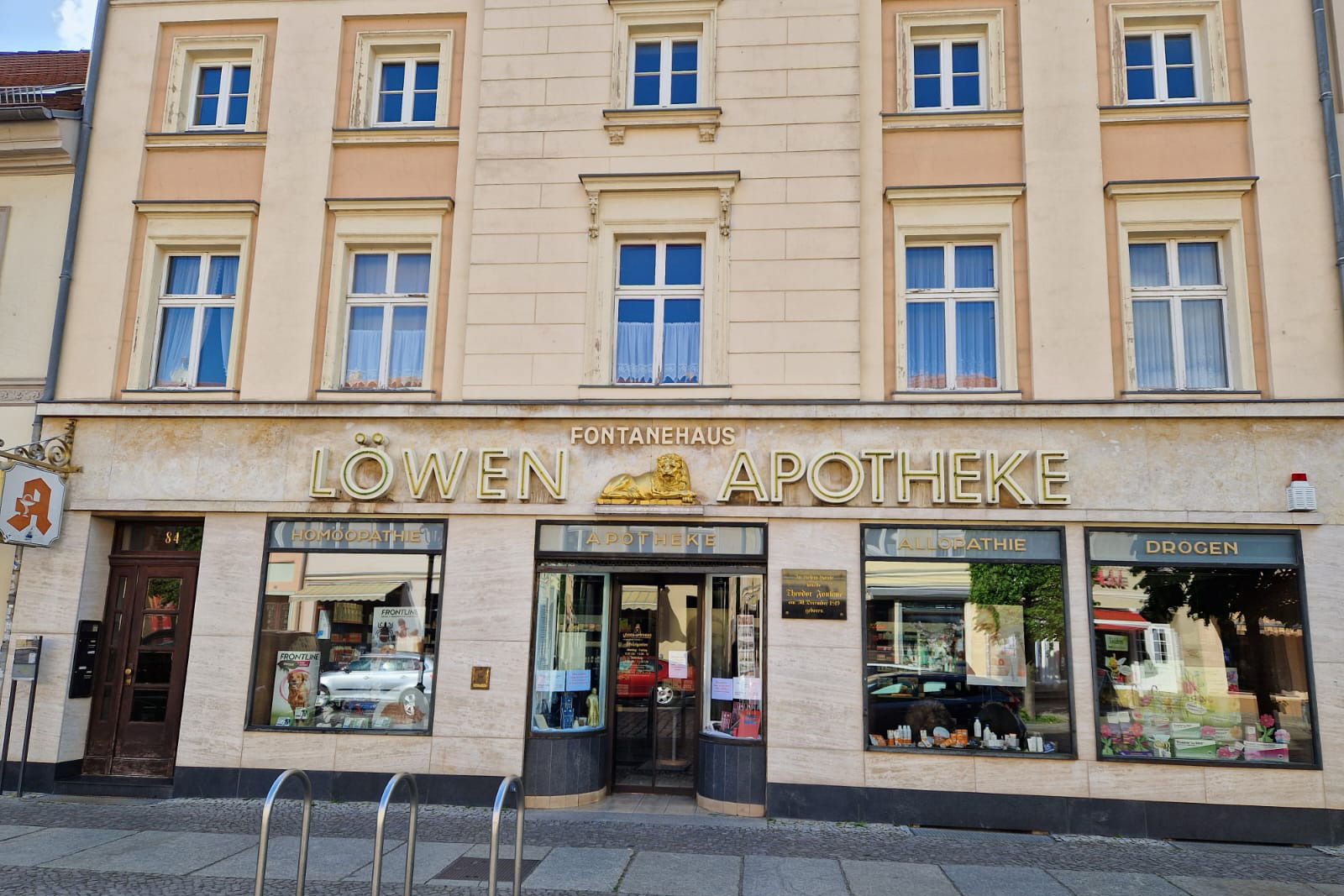
His favourite EUROBUS tour, «Brandenburg – Language Wizard Fontane», leads to the historic sites where you can best trace the spirit of the great poet. Most people know Theodor Fontane from his novel «Effi Briest»; the pharmacist, journalist and writer, born in Neuruppin in Brandenburg, is regarded as the most renowned German-language representative of Realism. On the tour, guests also get to know the state of Brandenburg together with tour guide Lothar Schulz. For Klaus, the guided tour by the former history professor is clearly one of the highlights of this trip. «We also had a splendid time. The guests called us the dream team,» says Klaus enthusiastically. Whenever possible, he joins the guided tours – he always finds the historical background fascinating.
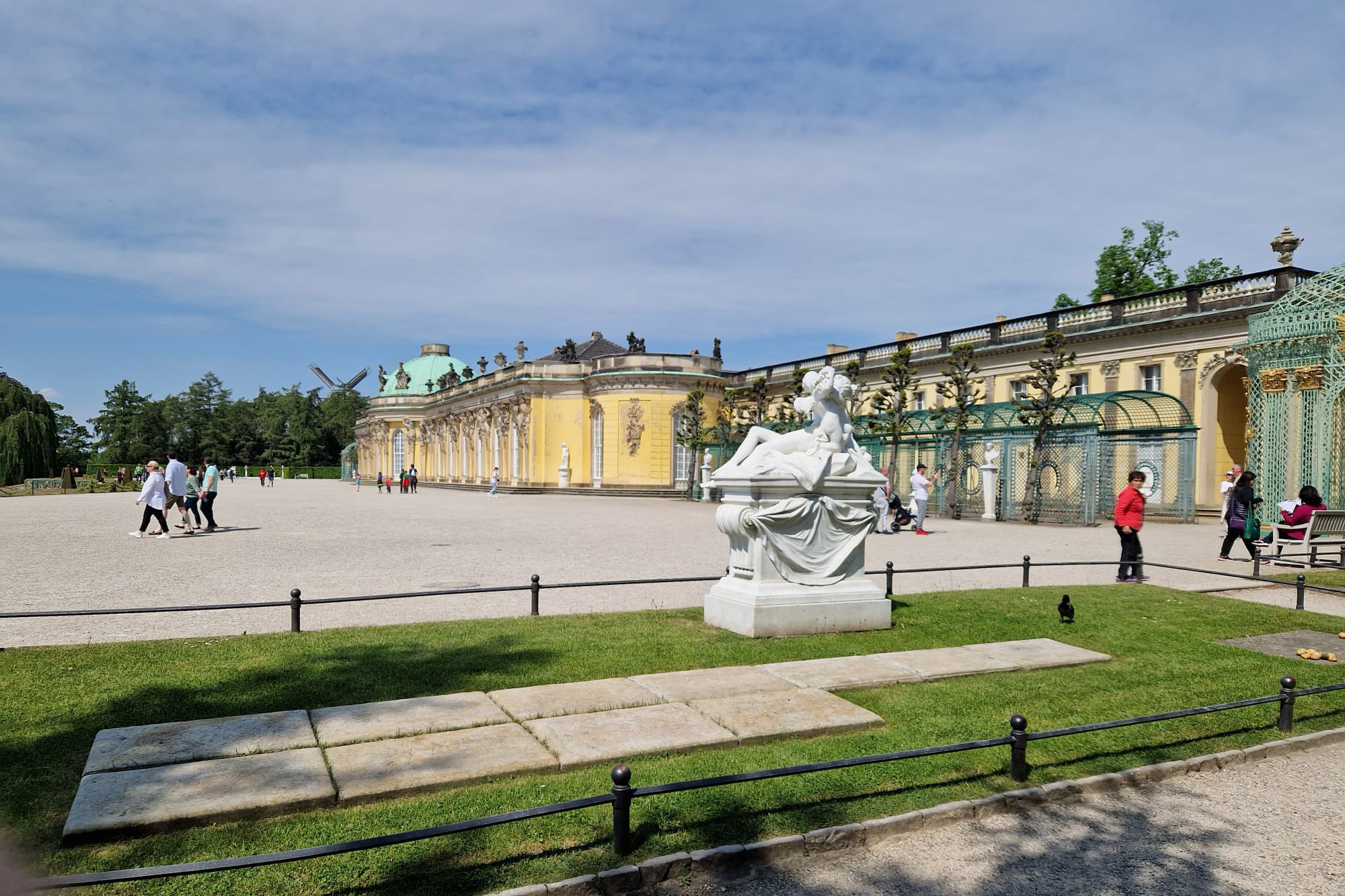
Klaus also particularly liked the Brandenburg countryside. Potsdam, the magnificent royal seat of the Hohenzollerns, is without doubt one of the most beautiful cities in Germany: here you find large parks with exquisite landscape gardening. Sanssouci Park, with the «carefree» palace enthroned on the terraced vineyard, was the summer residence and pleasure palace of Frederick the Great and is today a showpiece of German Rococo architecture. Once in Potsdam, Klaus first takes care of the guests, then looks for a coach parking space and sets about tidying and cleaning the coach.
«Herr Ribbeck von Ribbeck im Havelland»
In his private life, for around forty years he has mainly travelled by motorhome – in Italy and Austria, recently in France too, whose motorhome pitch system he loved. By coach, he enjoys driving on particularly beautiful routes, such as a pass drive in the Engadin. His favourite route: Julier Pass – Oberalp – Furka Pass – Grimsel Pass – Martigny and then on to Interlaken. All in four to five days: «Then you know what you've achieved,» says Klaus. What coach drivers in particular should avoid, he feels, are Italian cities, especially Rome. The many Vespas make driving through this city a truly nerve-racking affair.
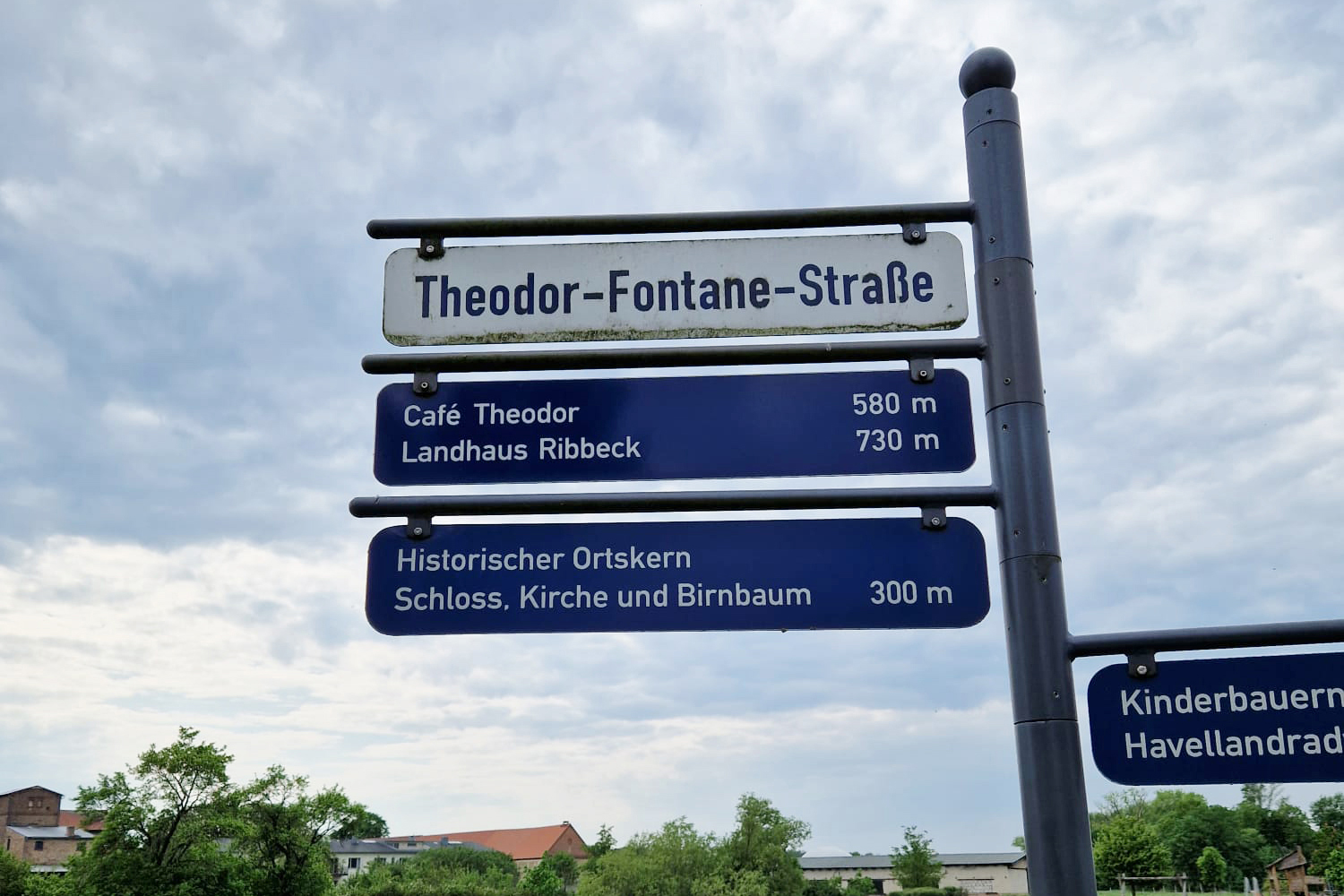
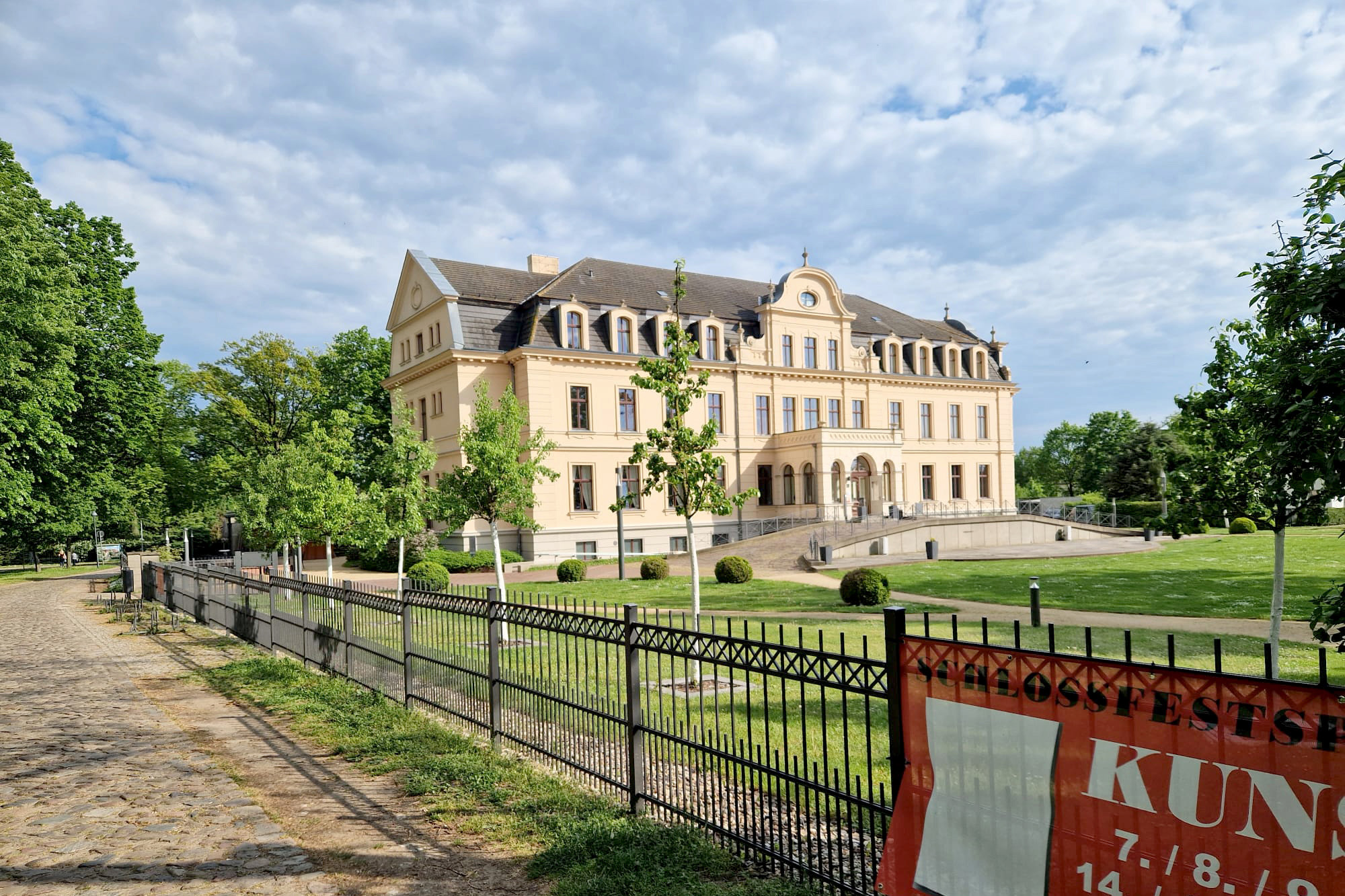
After a detour to Paretz Palace, the Fontane tour leads through the lovely Havelland to Ribbeck, celebrated by the poet. The old school, the famous pear tree, and the church and palace transport visitors to another time. Even today, much here revolves around that pear tree, which was immortalised in Fontane's ballad «Herr Ribbeck von Ribbeck im Havelland» and fell victim to a storm in 1911. Hearing the poem recited in the original dialect was a very special experience, says Klaus: «Pure goosebumps.» He recalls having a similar feeling in Mozart's birthplace. That is what fascinates him: exploring the original settings from the lives of great historical figures.
Theodor Fontane Archive and exhibition
The group stays overnight at the Resort Mark Brandenburg in Neuruppin, Fontane's birthplace. The hotel is right on the lake, «in complete silence, very idyllic,» Klaus remembers. The next morning the tour continues in Potsdam. The Theodor Fontane Archive there specialises in cataloguing and collecting all documents relating to Fontane and is today a scholarly institution of the University of Potsdam.
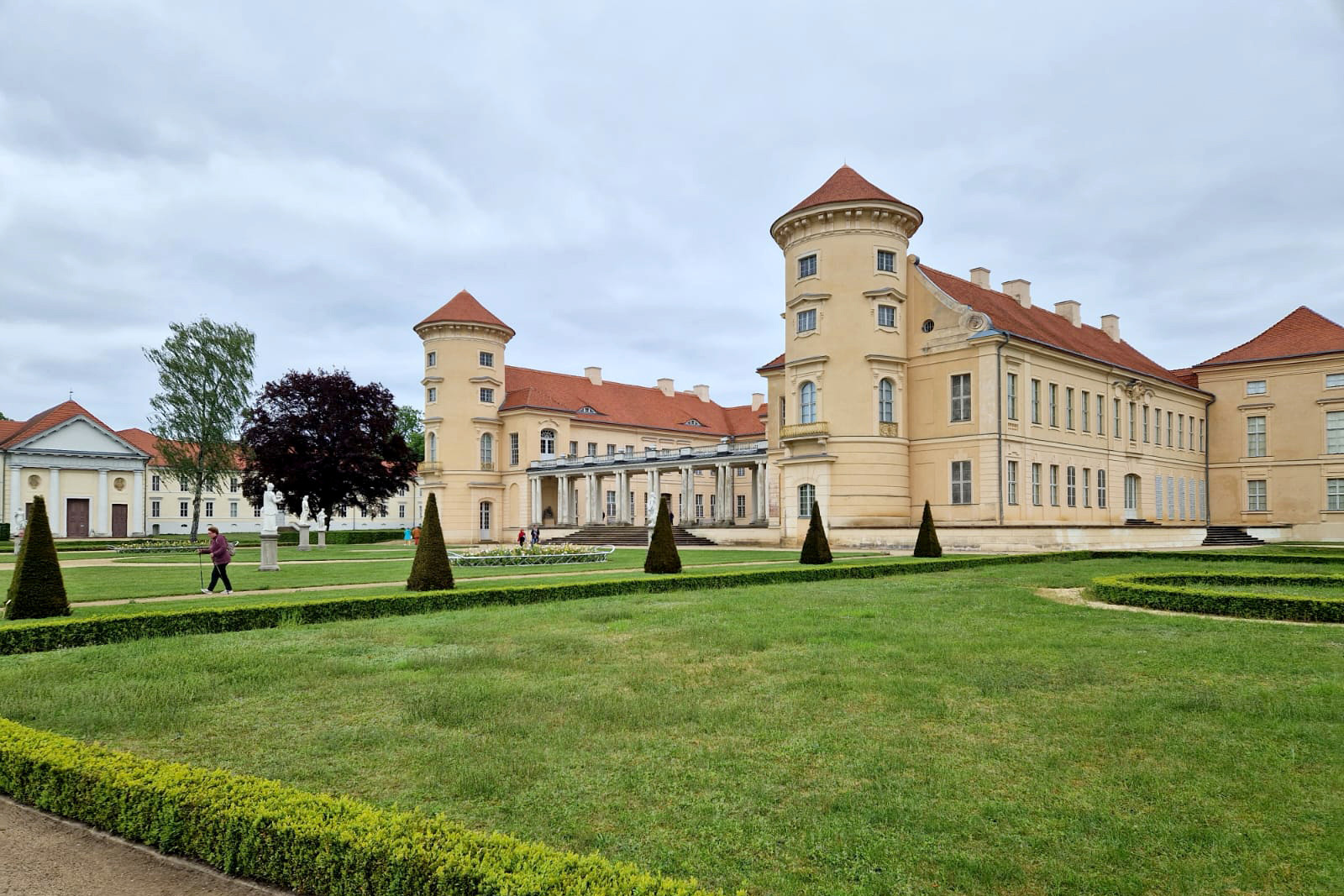
A visit to the Neuruppin Museum follows, whose main exhibition is dedicated to the German poet's worlds of writing and text. Also on the programme: a detour to Rheinsberg Palace, which Fontane described in the first volume of his famous «Wanderings through the Mark Brandenburg». You shouldn't miss that, Klaus stresses, even if you are only in the Havelland for a short time. The huge complex, the well-kept and preserved architecture, the moat and the water lilies: all wonderful.