
The most beautiful sea voyage in the world
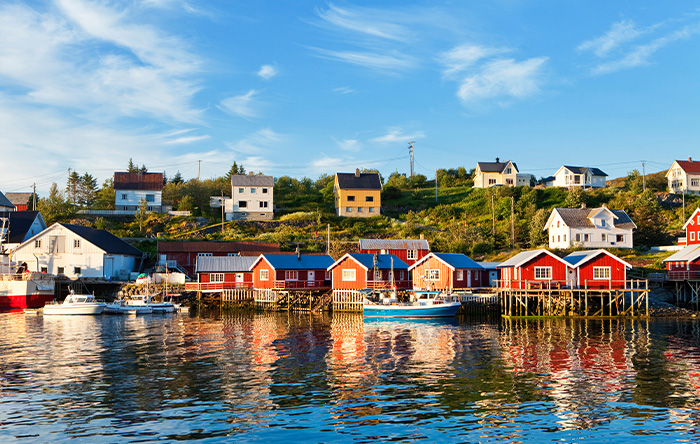
A slight tremor, accompanied by a dull rumble of thunder, shakes the MS Nordnorge. No panic, no earthquake – the bow and stern thrusters are gently pushing the ship sideways away from the quay. After a few minutes of calm drifting, only a soft rumble of the ship's engines can be heard as the MS Nordnorge glides out into the skerries.
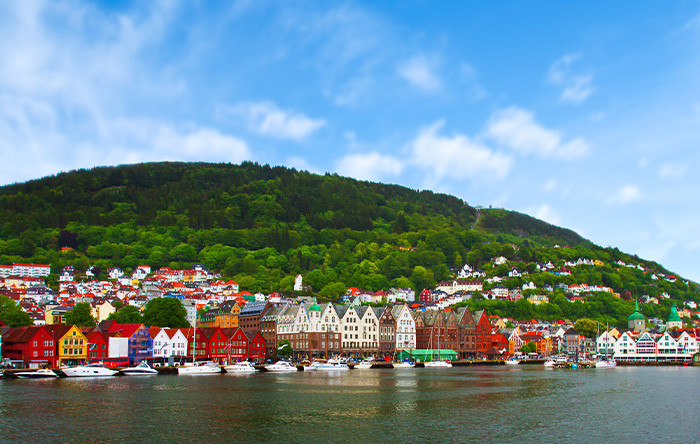
Hurtigruten is the Norwegian word for «the fast route». The ships are not really fast, though. In the late 19th century, the 780-mile coastline from Bergen to Kirkenes was a busy route for transporting goods and people, served by every type of vessel, from steamships to «jakts» with just a single sail. But the services were unreliable and infrequent, and the ships barely sailed at night. That only changed when Richard With put the steamship DS Vesteraalen into service along the Norwegian coast in 1893, creating a regular sea connection with weekly departures. Because the journey from Bergen to Kirkenes took only seven days, the company was given the name «Hurtigruten».
After just a few minutes on board, a feeling of well-being sets in – «hygge», as the Danes call it. It is widespread throughout Scandinavia and known all over the world. In the extremely comfortable armchairs of the Lounge & Bar on the 6th floor, the landscape of the Norwegian skerries drifts slowly past, almost as if on a cinema screen.
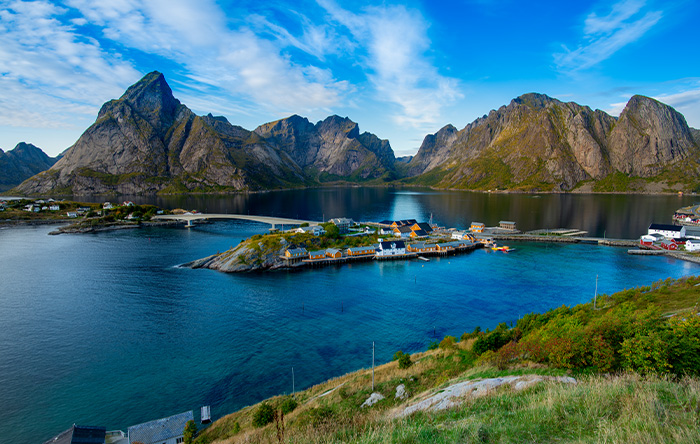
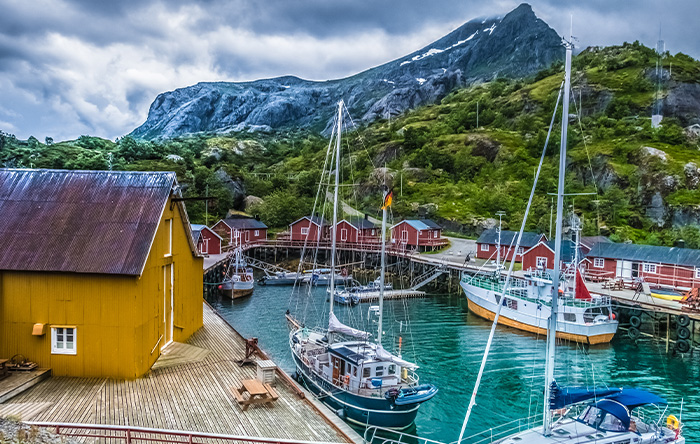
Hurtigruten ships are not cruise ships. There is no entertainment here at all. No pool (apart from two whirlpools), no shows, casinos, climbing walls, tropical gardens, captain's dinners or other fun events. The landscape, the tranquillity and the ship are at the heart of this journey. On the full round trip, the ship calls at 34 ports, and over 100 fjords and 1,000 mountains can be discovered. At every port you have the chance to leave the ship and take part in one of over 100 excursions. The expedition team, which also speaks German, is on hand to advise you.
Built in 1980, the Nordnorge was extensively refurbished in 2016, as were most of the other Hurtigruten ships. As Tyge, the long-standing reservations manager, tells us, the restaurants, built in Nordic style, focus on local Norwegian cuisine. In the main restaurant, Tyge, we enjoy the breakfast buffet, the lunch buffet and a served three-course evening menu. If you feel like it, you can choose an à la carte dish in the Kysten Restaurant for a supplement, or a burger or a pizza in the bistro. How refreshing – the friendly, attentive staff are from Norway. We notice how relaxed things are at lunch. A table among the guests is reserved for the ship's officers; there is no separate officers' galley. Evening dress, suit and tie – all unnecessary. More important, at least on winter trips, is really warm clothing for the excursions.
The cabins are all equipped in the same way. They have everything you need – namely a shower/WC, a hairdryer, shower gel, a small desk and a wardrobe. But no more than that. So no television, minibar or balcony. The only difference is the location of the cabins: on deck 2 or 3 the lower ones, on 5 and 6 the middle and upper levels. Only the suites are truly more spacious and fitted with larger double beds. But, like all guests, we only spend time in the cabins to sleep and shower. There are so many lounges that there is always a corner to watch the scenery or read.
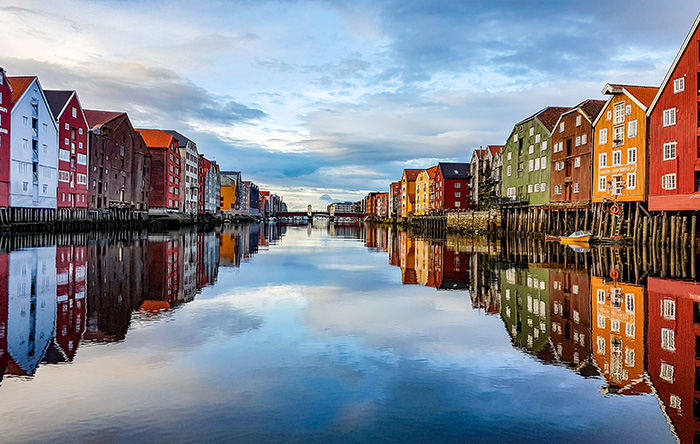
09.45 on Friday morning – once more a slight tremor runs through the ship. It docks in Trondheim, and once again cars, machine parts, pallets of material and the like are unloaded. To this day, the Hurtigruten serve as a means of transport. We leave the ship a little wistfully and look enviously at those who stay on board – we would gladly have travelled on for a few more days. The «hygge» feeling of well-being had long since settled in for everyone.