


Bern Onion Market (Zibelemärit) From Aarau, Windisch & Zurich
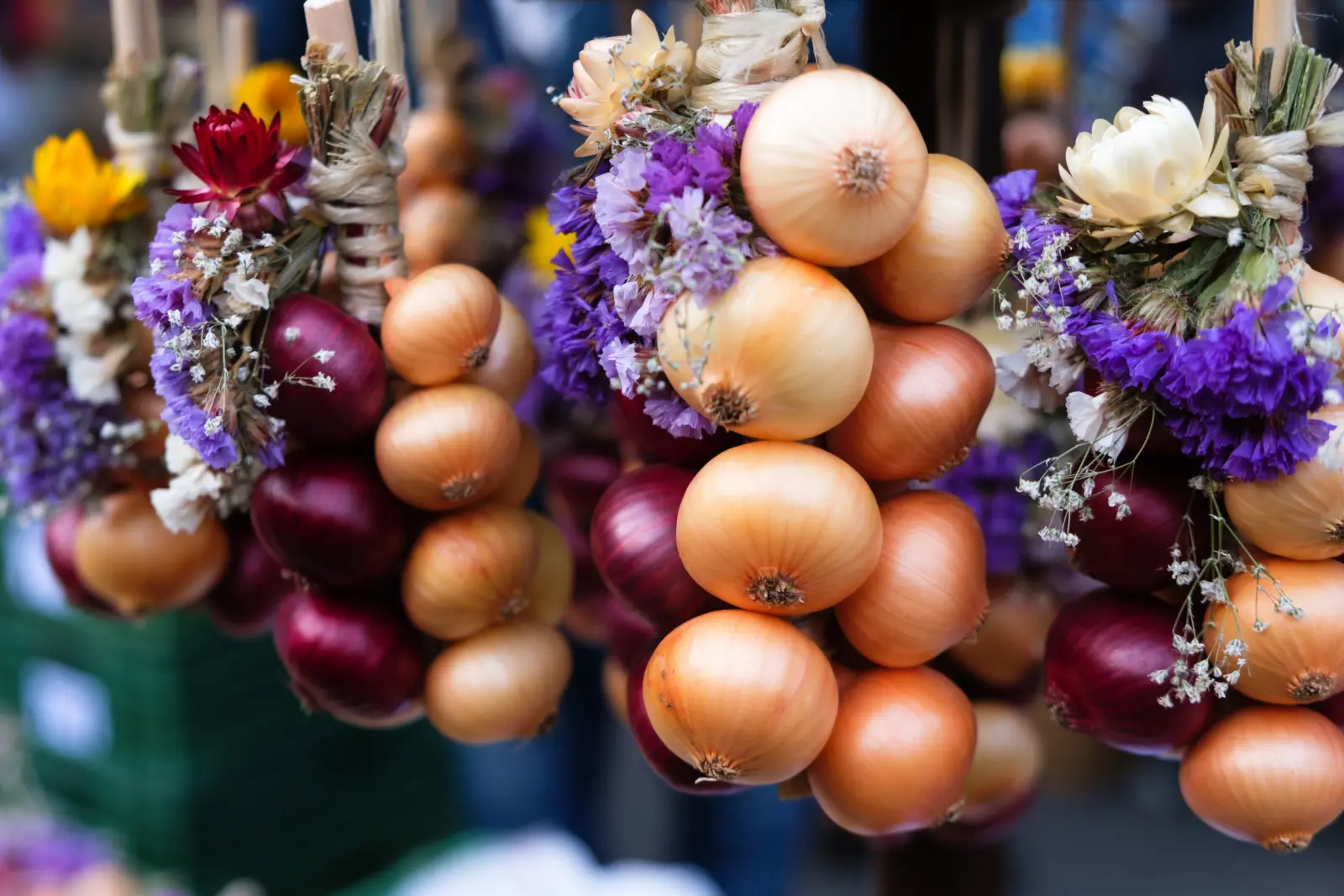
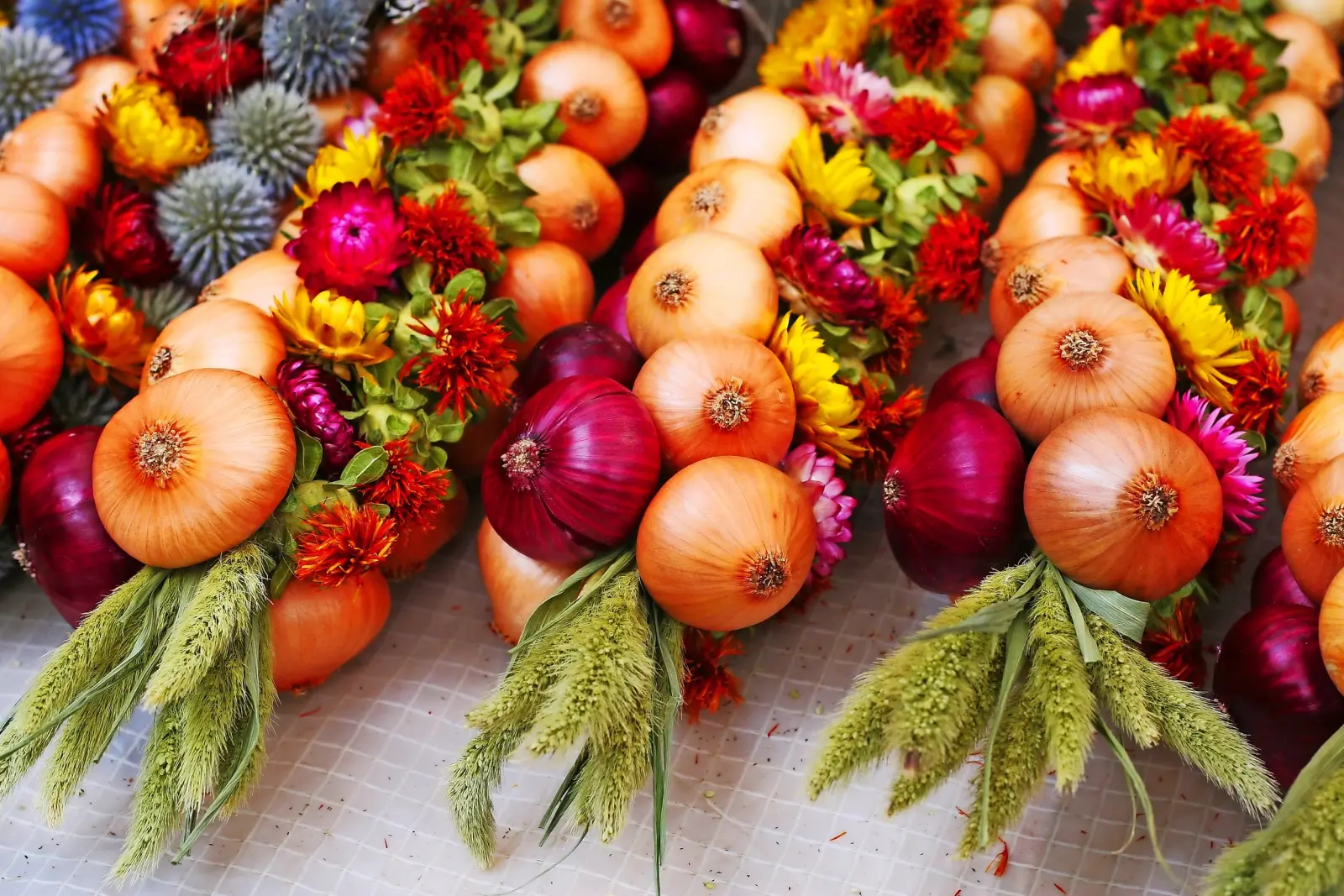
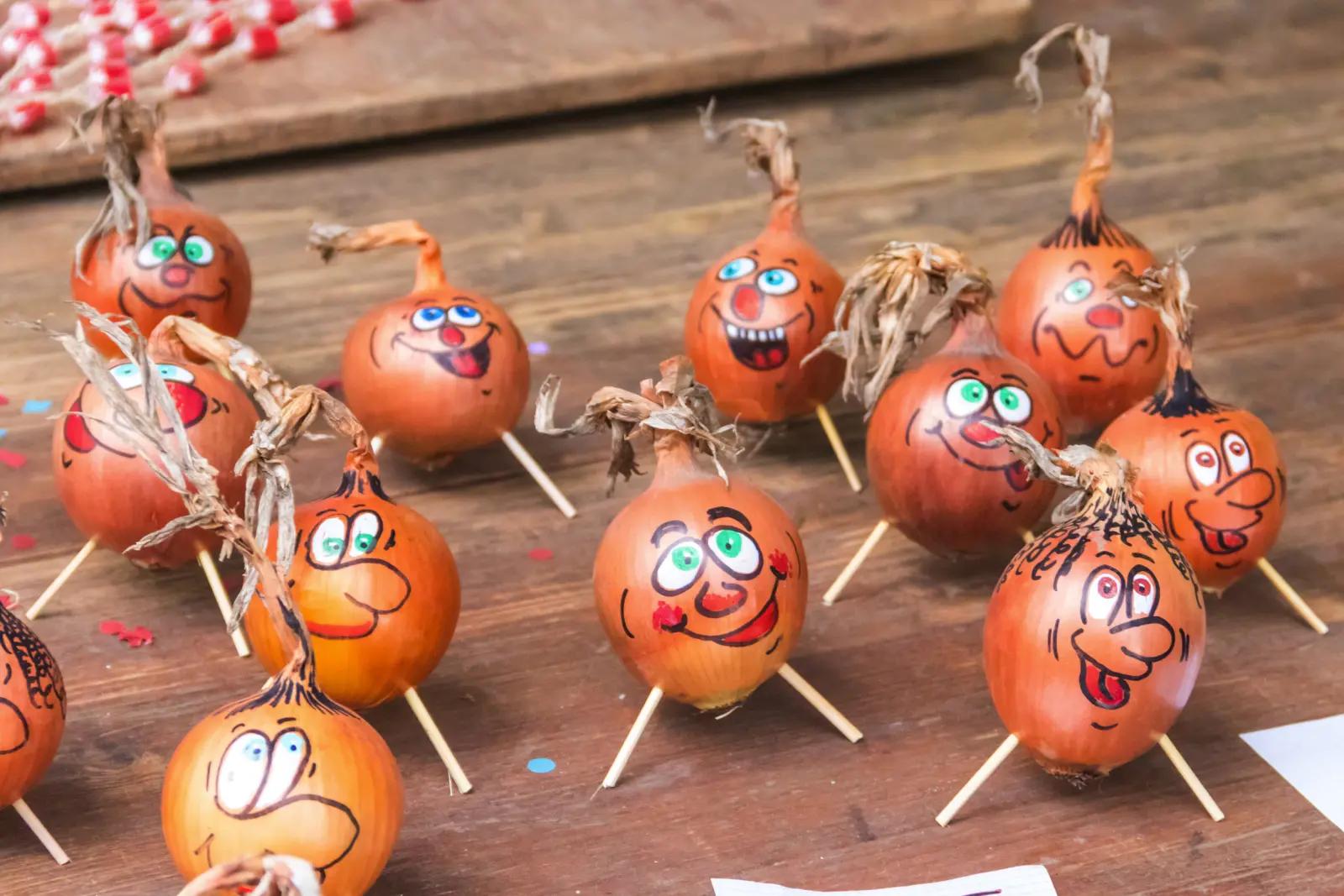
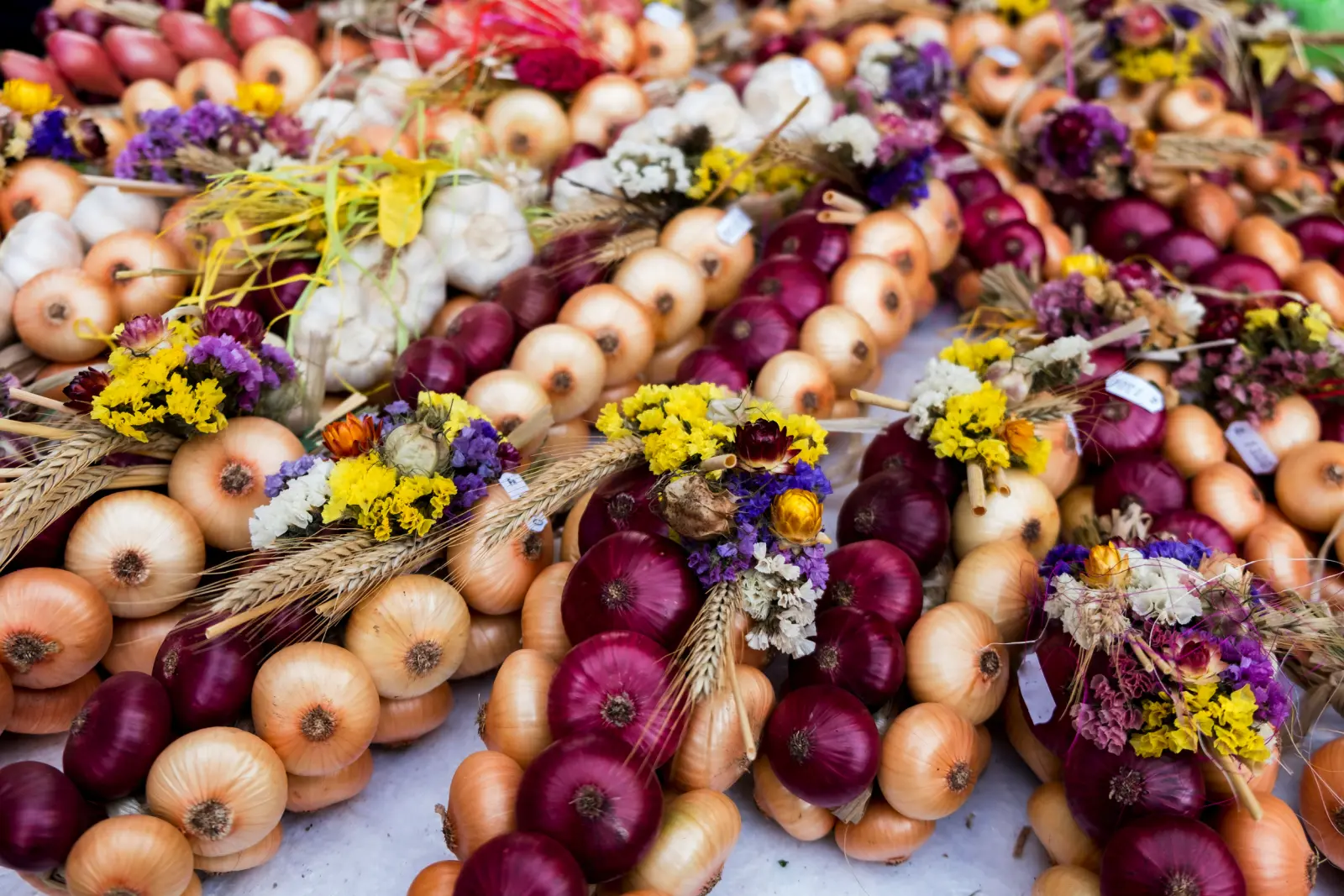
The Zibelemärit takes place every year on the fourth Monday in November and is the largest market in Bern. Alongside a wide selection of onion plaits, onion wreaths and onion figures, you will also find textiles, jewellery, ceramics and toys. Travel to Bern comfortably and easily with EUROBUS and enjoy the atmosphere of this unique event.
Dates and prices

Zurich - Windisch - Aarau
04.30 Departure from Zurich, EUROBUS Terminal, Pfingstweidstrasse 2
05.00 Departure from Windisch, Reisezentrum, Schwimmbadstrasse 1
05.30 Departure from Aarau Feerstrasse, coach park near the railway station
06.30 Arrival in Bern - free time until 15.30
15.30 Return journey to the boarding points
16.45 Arrival in Aarau
17.15 Arrival in Windisch
17.45 Arrival in Zurich
Included
- Journey by Comfort coach
- Free time at the market in Bern
THE MARKET
The Zibelemärit is a great celebration, and not only for the people of Bern. Throughout Switzerland and even in neighbouring countries, it is regarded as a one-of-a-kind experience. The first visitors from out of town arrive at the crack of dawn to secure the best onion plaits and to immerse themselves in the colourful bustle.
The market is open from 06.00 in the morning until 18.00 in the evening and always takes place on the fourth Monday in November.
HISTORY
Various stories and theories surround the historical origins of the Zibelemärit.
One theory traces the market back to the city fire of 1405. According to this, the market is a kind of thank-you to the people of Fribourg, who gave generous help to their neighbours after the great fire.
According to research by the Bernese folklorist Rudolf J. Ramseyer, the Zibelemärit only came into being in the middle of the 19th century. Farmwomen from Mont Vully (a range of hills on Lake Murten) brought their vegetables to the markets in Fribourg, Murten and Neuchâtel. Around 1850, these farmwomen also appeared in Bern for the Martinmas festival (11 November), which since the Middle Ages had marked the transition from summer to the winter half of the year, and sold mainly onions here.
A final version holds that the people of Fribourg obtained the right to hold a market in return for the military assistance they provided from 1474 to 1477 during the Burgundian Wars.
