


Heidelberg & Schwetzingen - Music & Romance Tosca at Theater Heidelberg
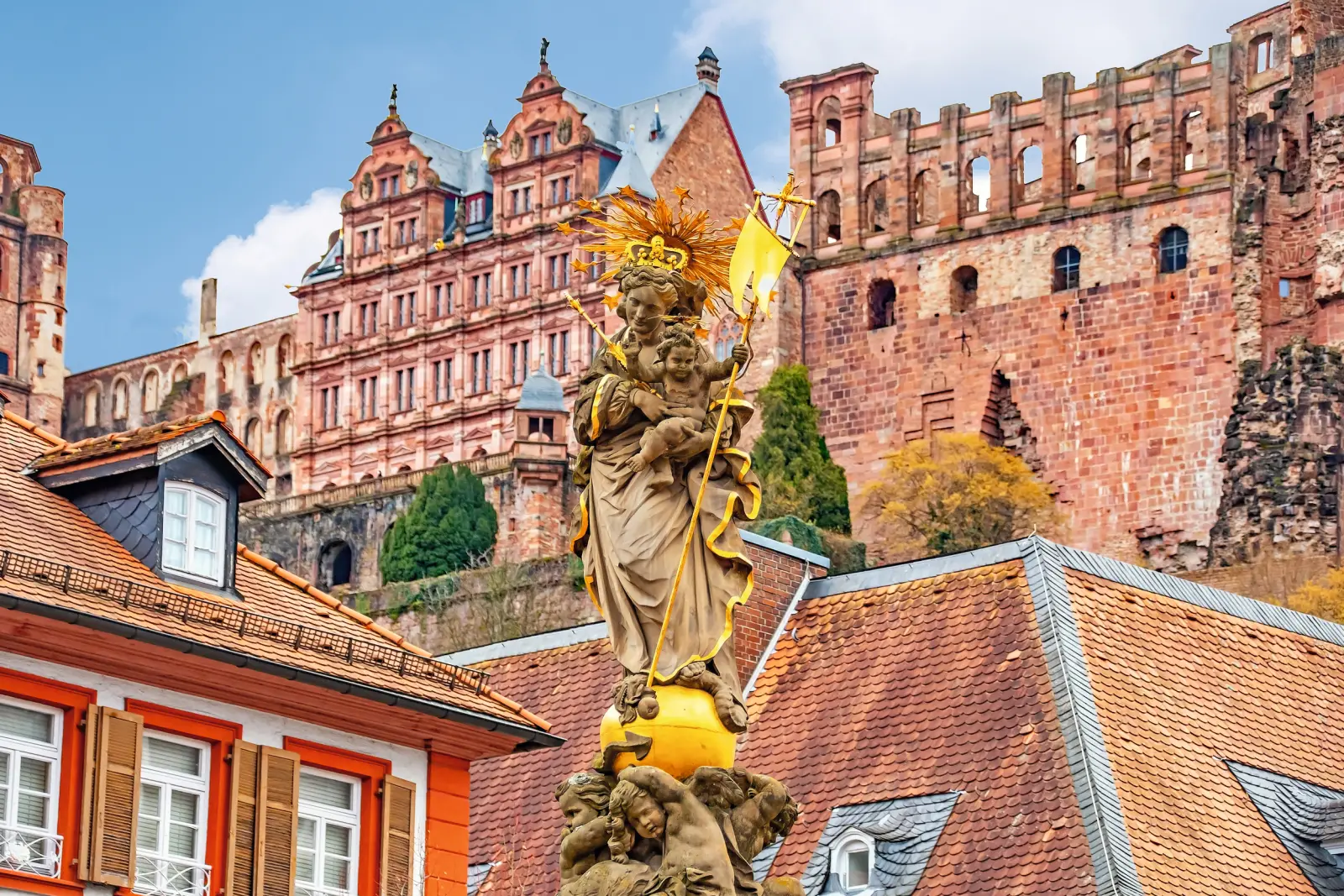
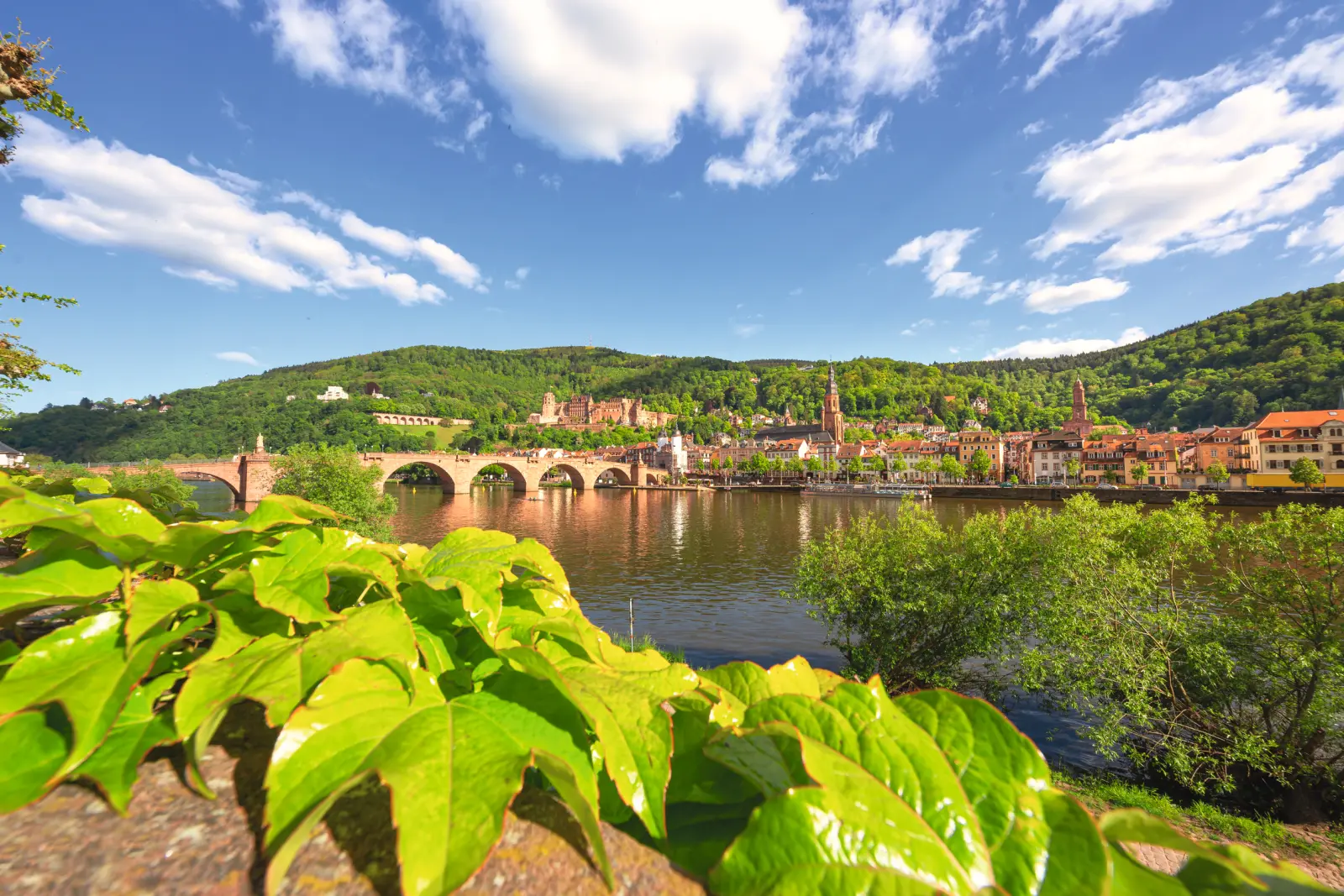
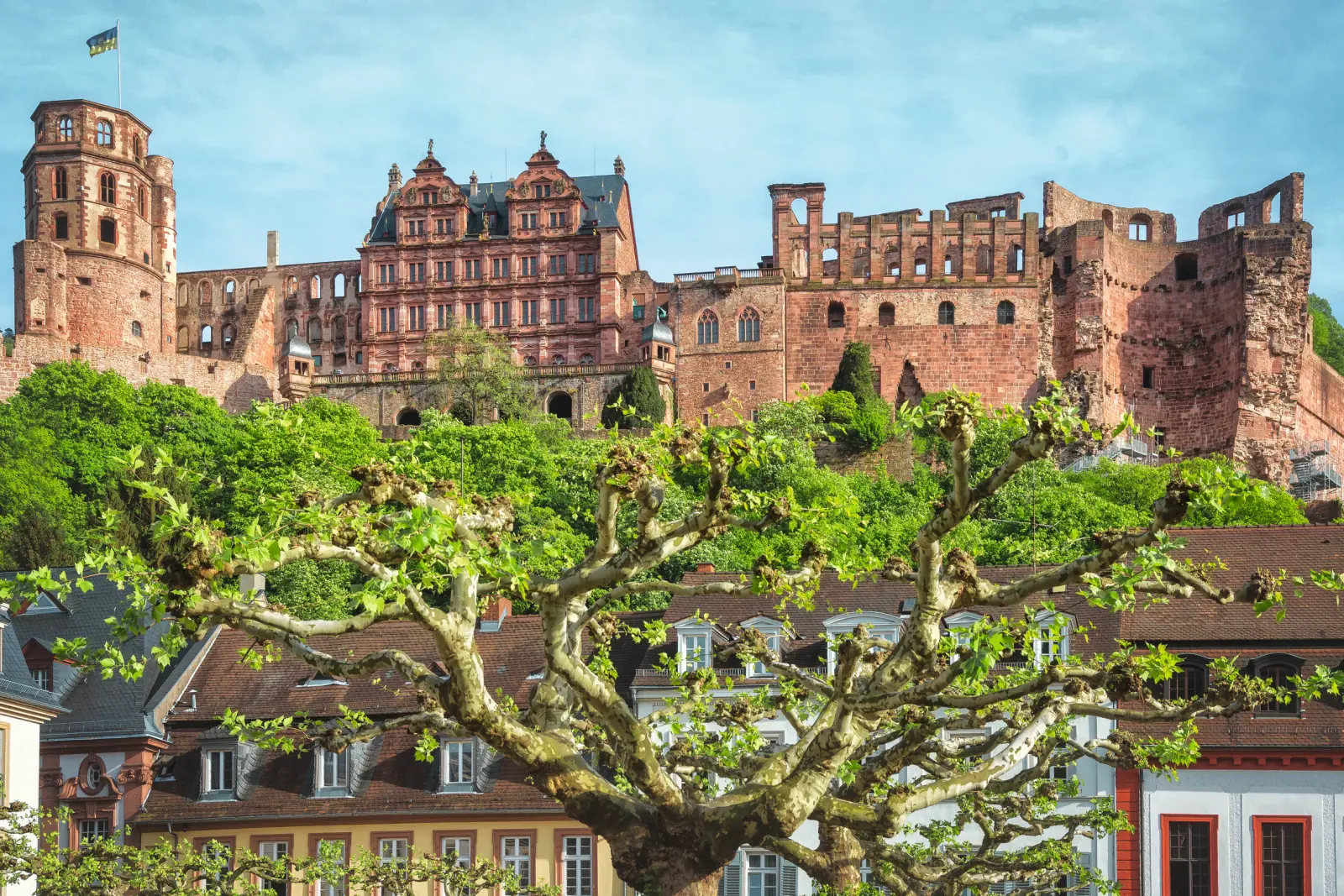
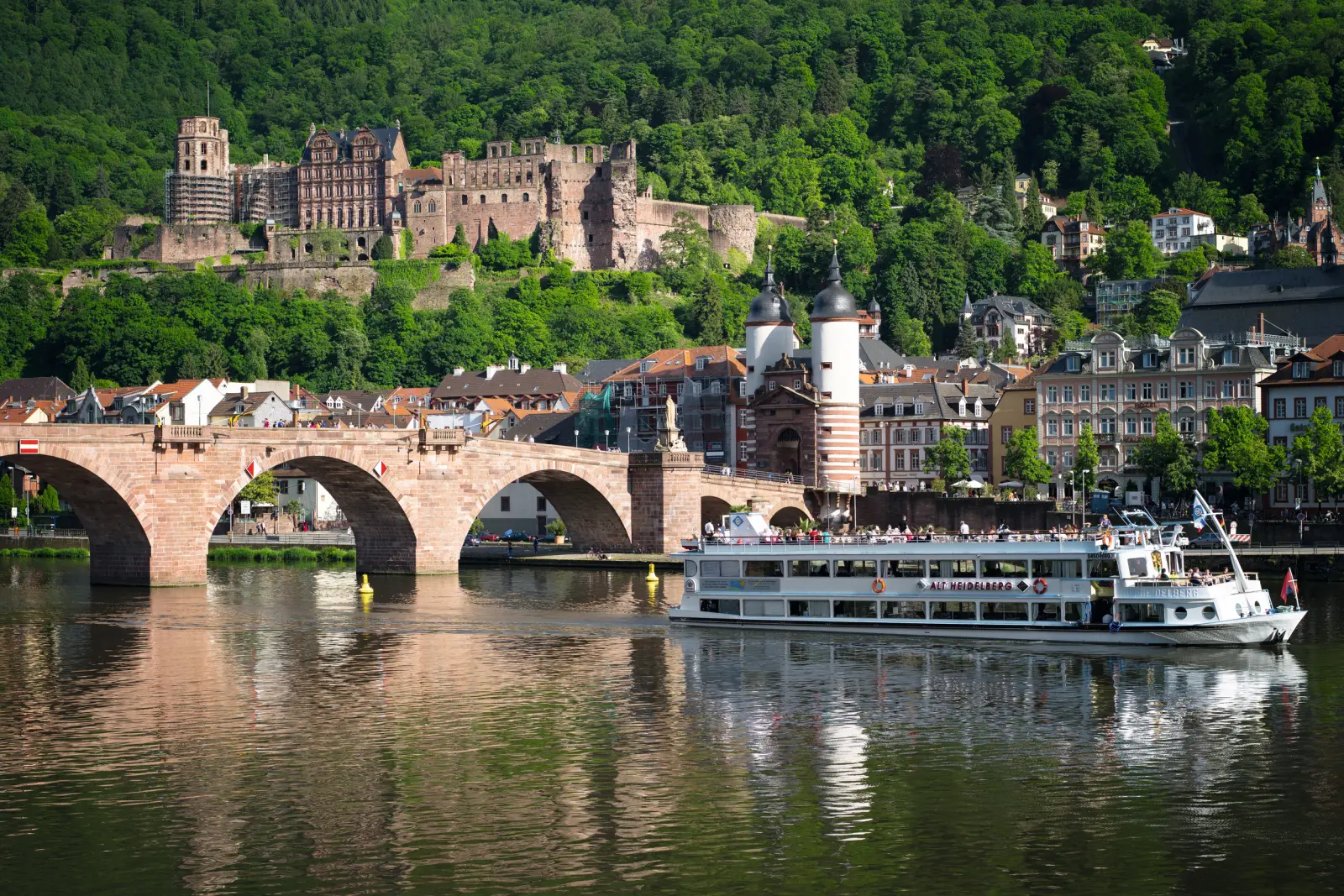
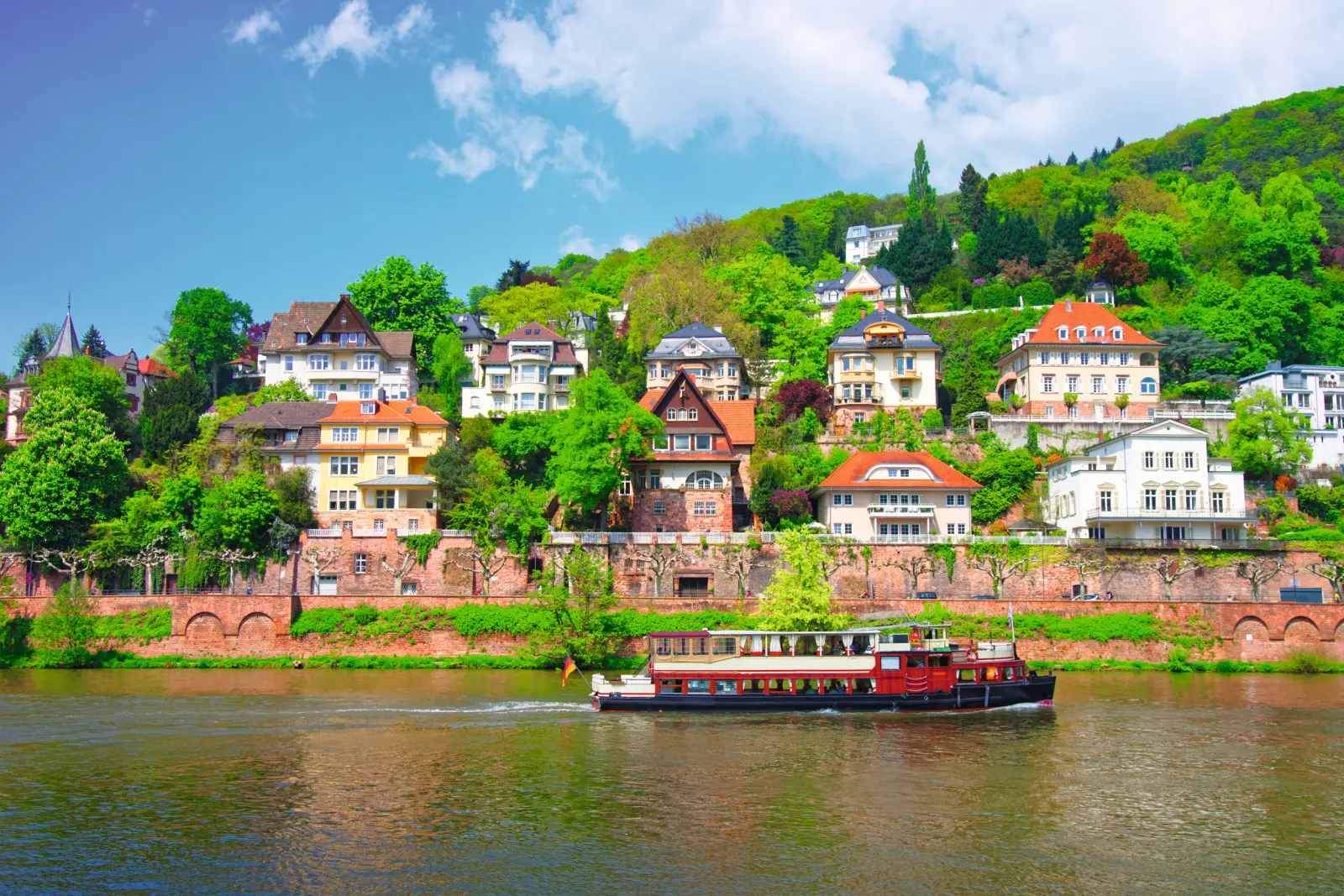
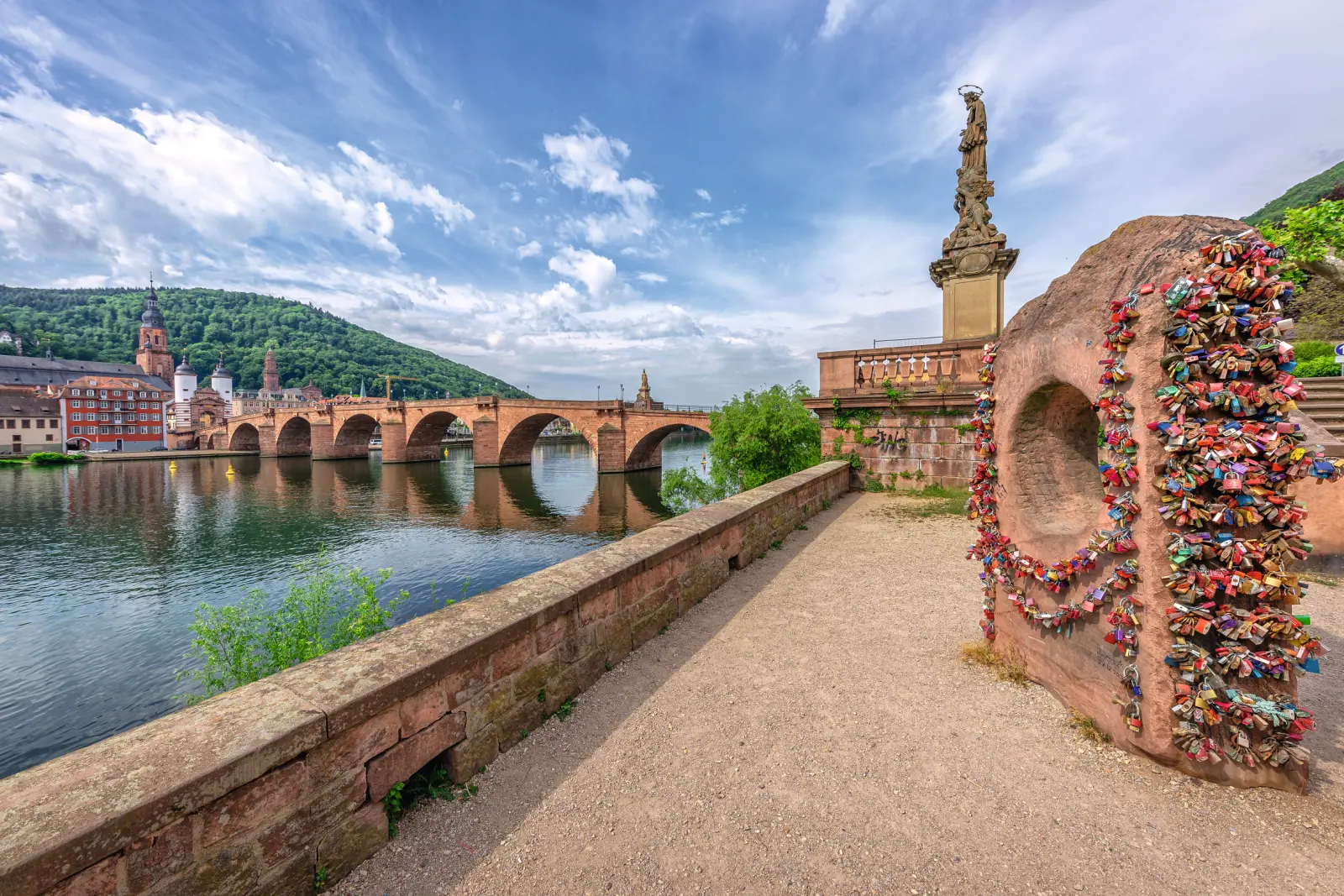
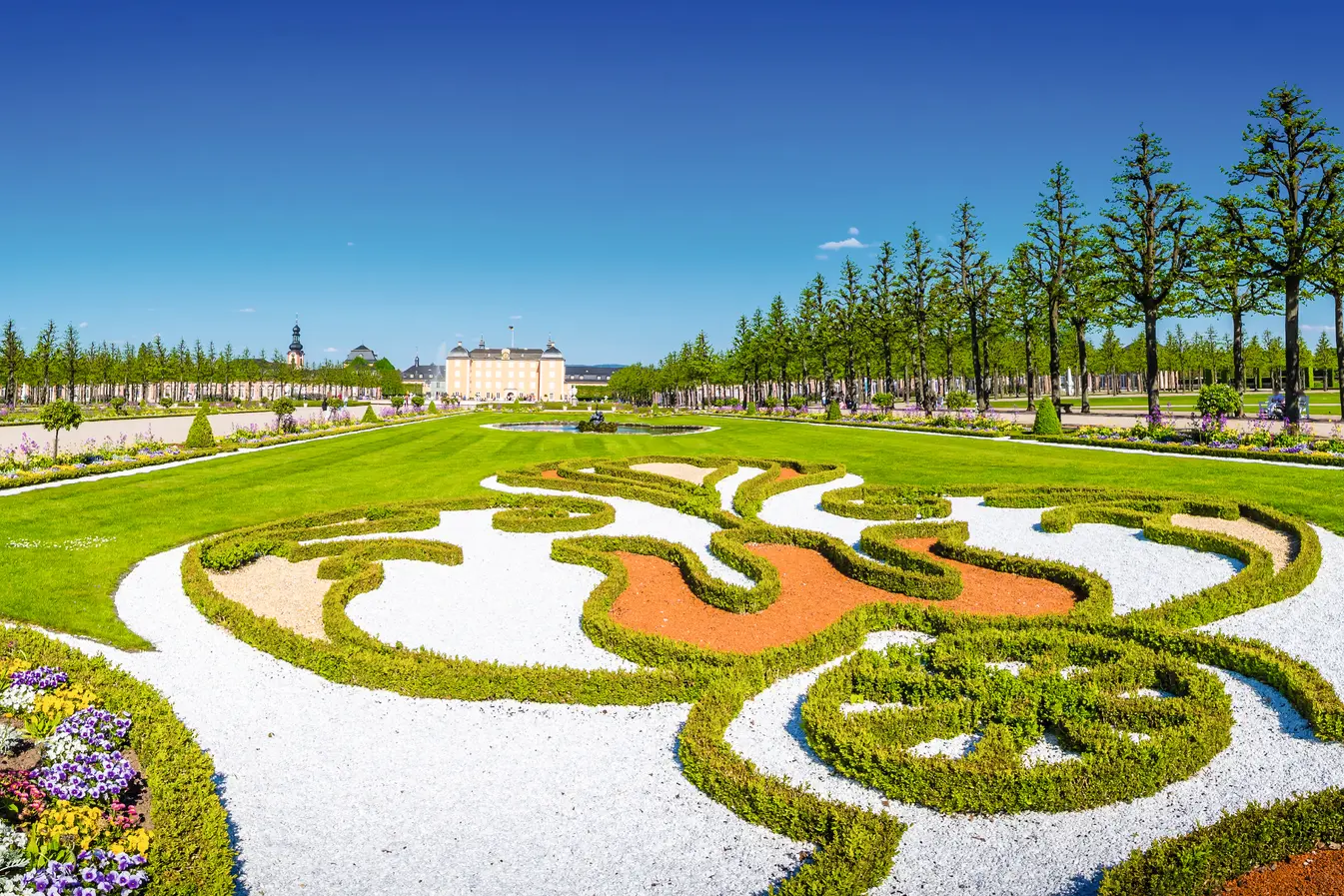
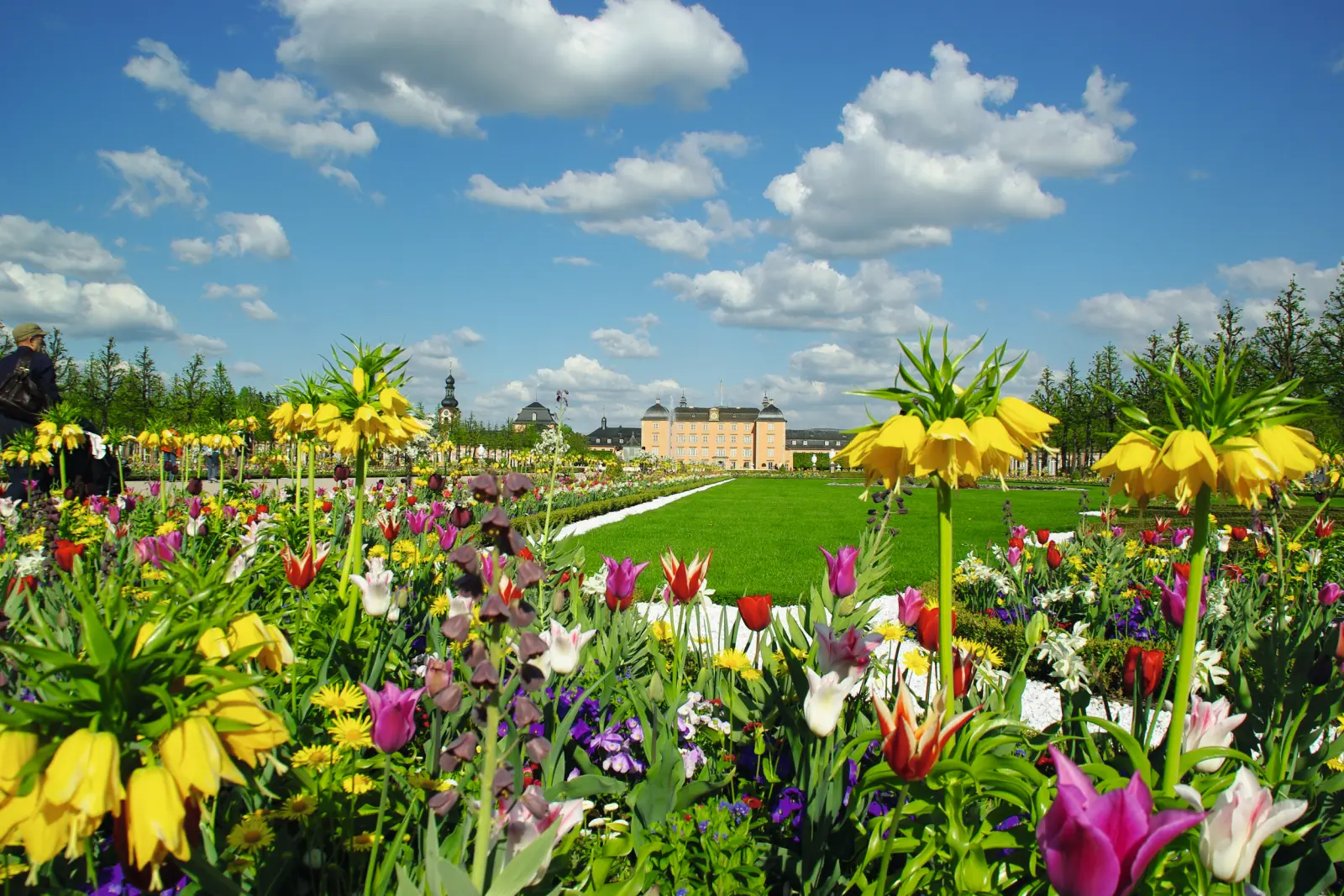
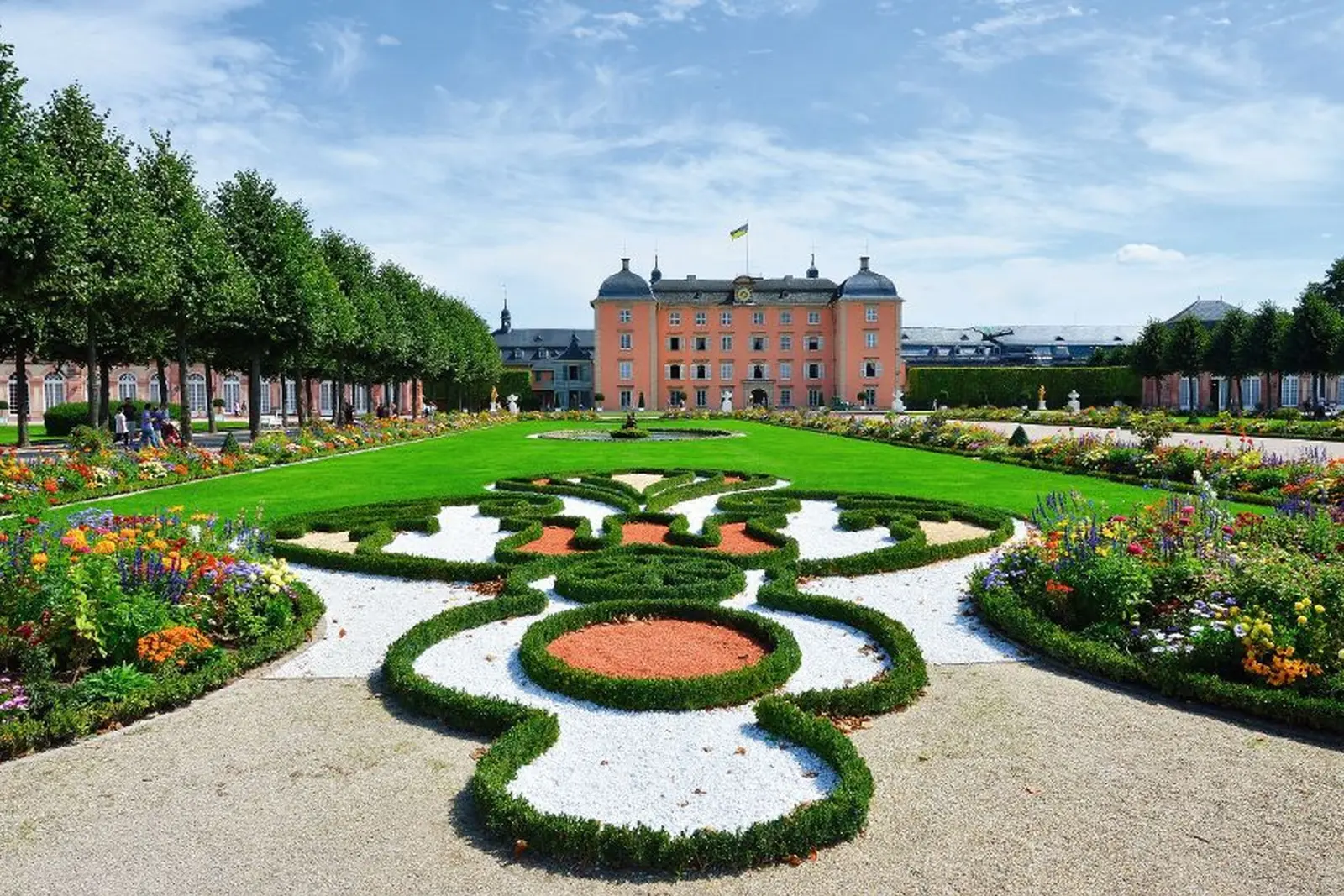
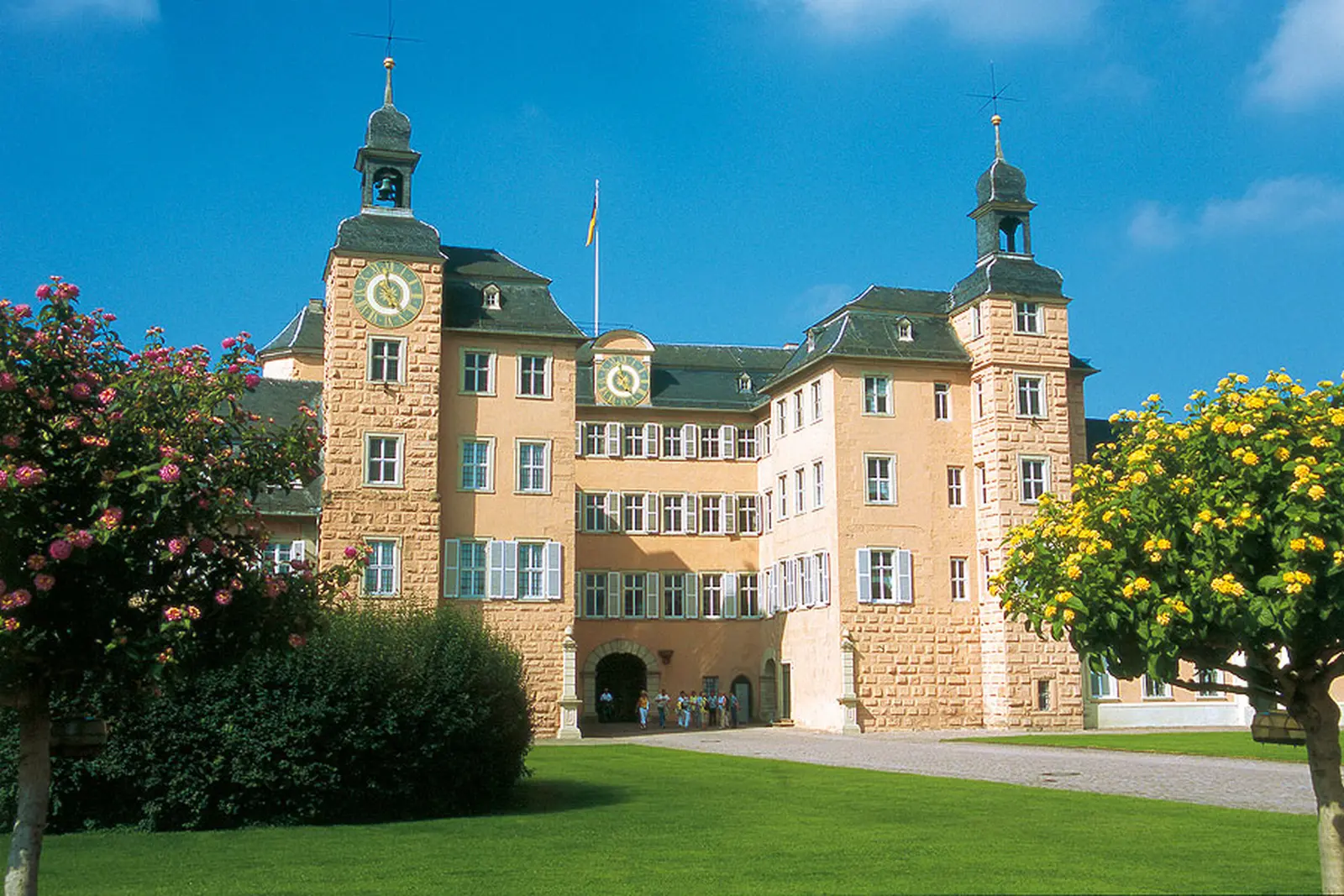
Discover two of Germany's cultural gems in Heidelberg and Schwetzingen. Stroll through Heidelberg's romantic old town, visit the magnificent Schwetzingen Palace with its extensive gardens and experience Puccini's gripping opera «Tosca» at Theater Heidelberg. An atmospheric boat trip on the Neckar with wonderful views of the city, the castle and the charming landscape rounds off your trip.
Dates and prices


- 2027

| 02.04. - 05.04.2027 | Fr. - Mo. | from CHF 1'590.- |

Day 1: Switzerland - Heidelberg
Journey by Car Rouge coach to Heidelberg. On arrival, you will be welcomed at the hotel with a delicious lunch plate, dessert and selected drinks. After check-in, a guided city tour takes you through the old town with its winding lanes and historic buildings. The day ends with a stylish dinner at the hotel, accompanied by wine and coffee.
Day 2: Heidelberg & Schwetzingen
The morning is yours to enjoy, ideal for a stroll around town, a museum visit or a coffee break by the Neckar. In the afternoon, you travel to Schwetzingen, where a guided tour reveals the magnificent palace with its Baroque gardens. You are free to spend the evening in Heidelberg as you wish.
Day 3: Neckar Idyll & Opera Evening
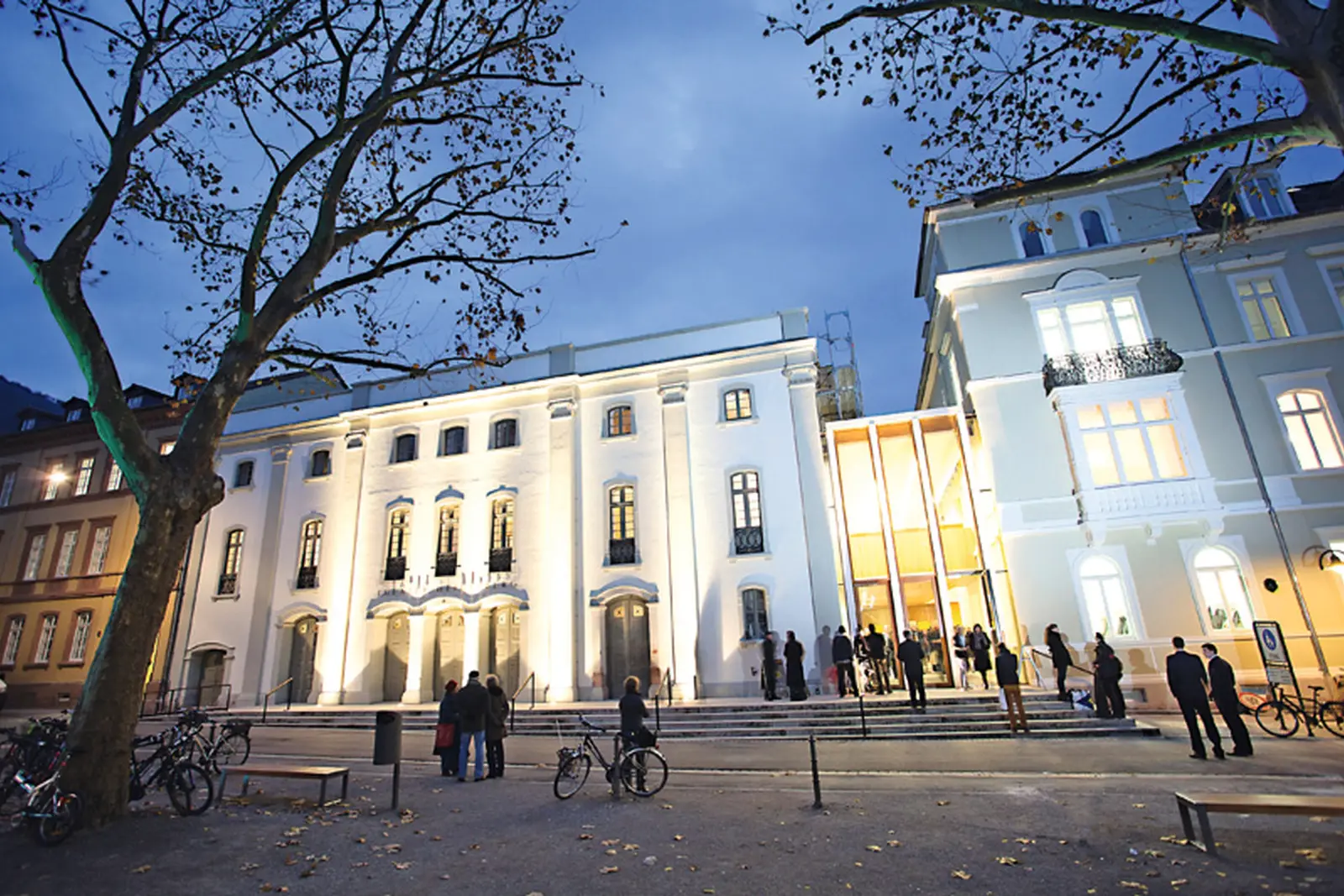
Today you enjoy a relaxing boat trip through the picturesque Neckar valley to Neckarsteinach. Afterwards, you visit the famous Heidelberg Castle, which majestically overlooks the old town. In the evening, an opera aperitif sets the mood for the musical highlight, before you attend the performance at Theater Heidelberg.
Day 4: Heidelberg - Switzerland
After a leisurely, slightly later breakfast, there is still time to enjoy a relaxed morning. You then begin the journey back to Switzerland with lovely memories in your luggage.
CarRouge
Die Premium Fahrzeuge sind auf dem neusten Stand der Technik und verfügen über grosszügige Platzverhältnisse: 3 Luxussitze pro Reihe, individuell verstellbare Kopfstützen und eine Innenhöhe von 2.10 m sorgen für ein einzigartiges Raumgefühl.
- 30 breite, luxuriöse Premium-Fauteuils in 2+1-Bestuhlung
- Grosszügiger Sitzabstand von 90 cm
- Sicherheitsgurten an jedem Sitzplatz
- Höhenverstellbarer Fussraster, verstellbare Rücken- und Armlehnen
- Einzigartiges Raumgefühl dank 2.10 Meter Innenhöhe
- Mehrkanal-Tonanlage an jedem Sitz, Spurassistent und Abstandtempomat
- Gratis WLAN/Internet in Europa


360° Panorama
INCLUDED
Journey by Car Rouge coach, 2+1 seating
Music tour guide from/to Switzerland
3 x B&B (room/breakfast buffet)
1 x lunch on arrival incl. drinks
1 x dinner at the hotel incl. drinks
1 x opera aperitif
1 x opera ticket, 1st category
All guided tours and admissions as per programme
Car Rouge audio system
Hotels
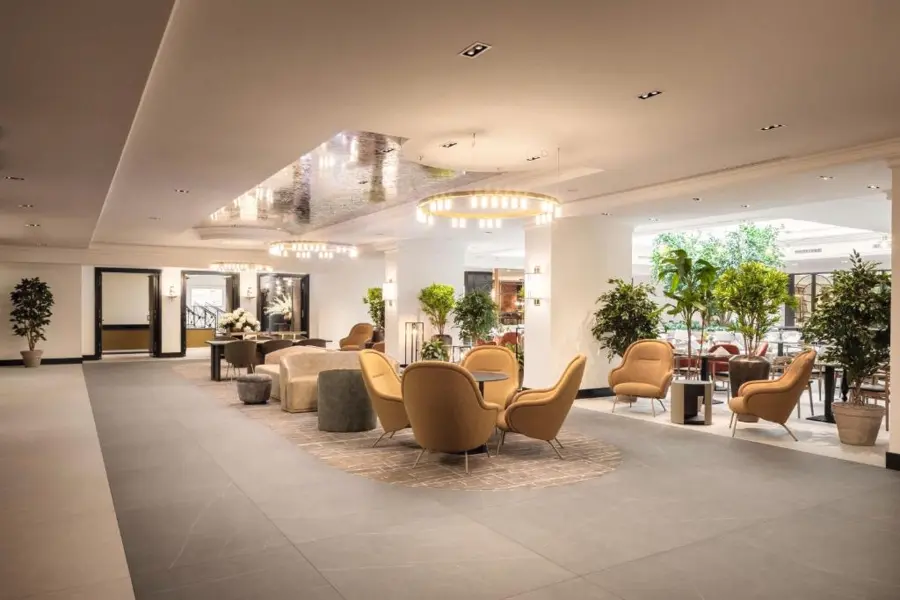
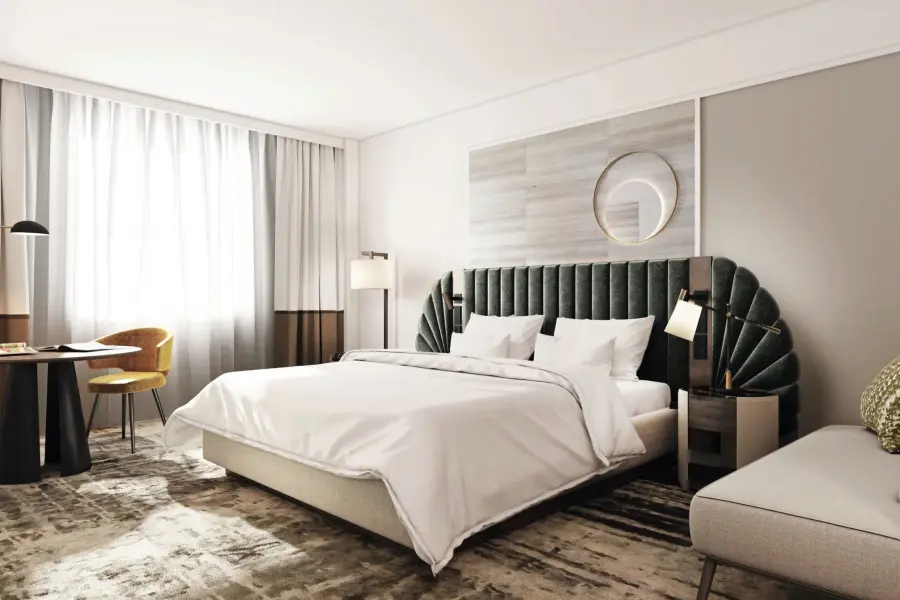
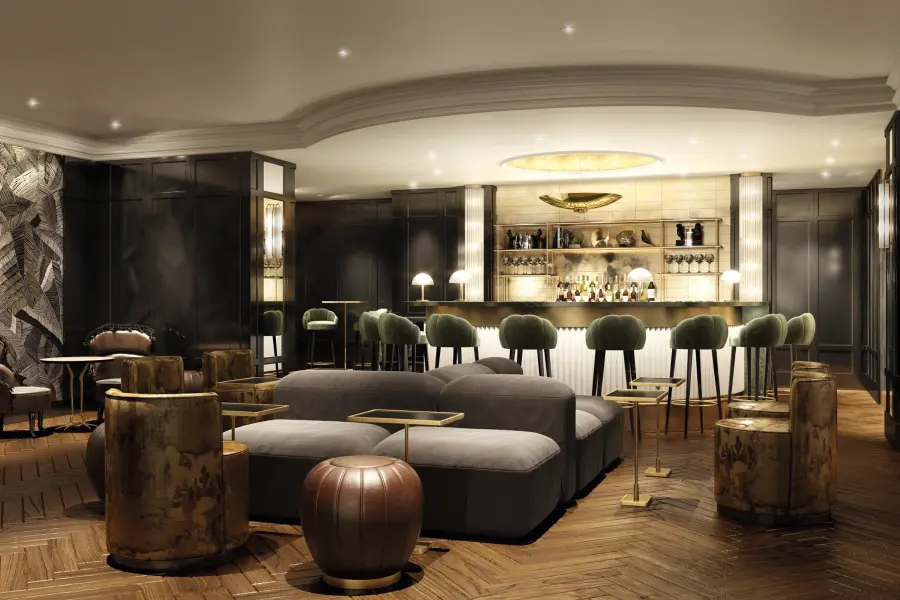
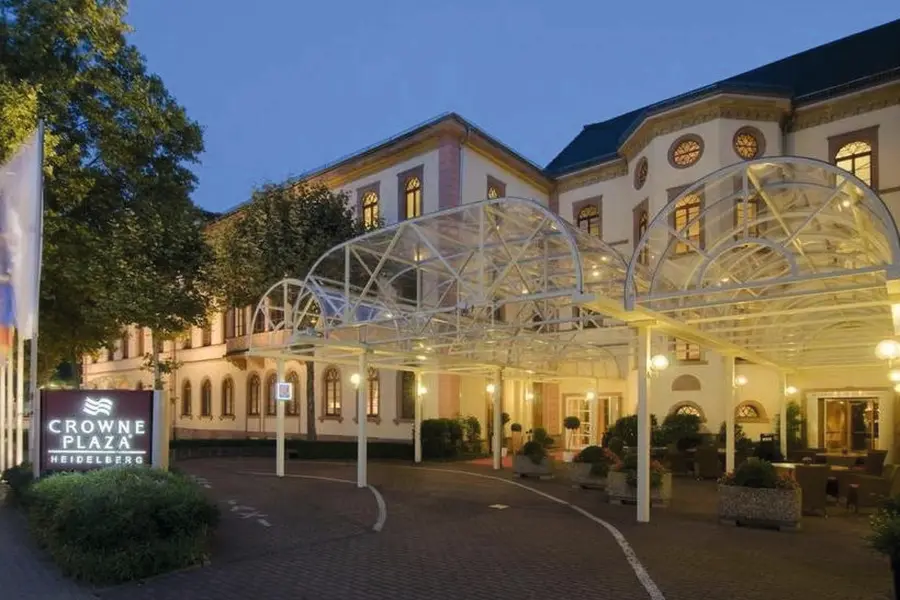
You will stay at the 4*sup. Hotel Hilton Heidelberg. It is located just a few minutes' walk from the historic old town.
About the opera
Giacomo Puccini: "Tosca" – Musical drama in three acts
"Vissi d'arte" – A life for art and love
The libretto by Luigi Illica and Giuseppe Giacosa is based on the French drama "La Tosca" by Victorien Sardou, set around 1800, which Puccini saw in Milan in the winter of 1890 with Sarah Bernhardt in the title role.
The settings are Rome's church of Sant' Andrea della Valle with the Attavanti chapel, the Palazzo Farnese and the platform of the Castel Sant'Angelo.
The musical drama premiered on 14 January 1900 at Rome's Teatro Costanzi.
Cesare Angelotti, former consul of the Roman Republic and brother of the Marchesa Attavanti, has escaped from the Castel Sant'Angelo and, dressed in prison clothes, is looking for the key to the Attavanti family chapel. The sacristan prays the "Angelus Domini". The painter Mario Cavaradossi unveils his picture of Mary Magdalene. His model is "la bruna Floria, l'ardente amante mia". In the painting Tosca recognises the Attavanti and becomes jealous ("Mia gelosa"). Angelotti looks for the women's clothes that his sister has hidden for him beneath the altar. Cavaradossi shows him an escape route to his villa.
The sacristan announces a celebration at the Palazzo Farnese, at which Tosca is to sing a cantata. Baron Scarpia, chief of the secret police, shows Tosca a fan belonging to the Attavanti, like Desdemona's "fazzoletto" in "Otello". He stirs up Tosca's jealousy ("Morde il veleno" – the poison takes hold). The police agent Spoletta tracks down Cavaradossi in his villa. No confession, so torture! Tosca is interrogated. He intimidates her with his methods: bound hand and foot, a spiked ring around the temples that draws blood with every denial. Mario screams in the background. Tosca to Scarpia: "Torturate l'anima". The gendarme Sciarrone announces the defeat at Marengo, Bonaparte's victory. Cavaradossi's victory too. Scarpia demands her love. Tosca: "L'orribil mercato!" "Vile!" (Wretch!). Her prayer: "Vissi d'arte". Why God's reward? Spoletta reports that Angelotti has killed himself. Mario is to be hanged. She gives in. He is to be shot – but only as a mock execution. She wants to flee with him – to Civitavecchia. Tosca plunges the knife into Scarpia's chest: "Il bacio di Tosca!" "Ti soffoca il sangue?"
On the platform of the Castel Sant'Angelo, a shepherd's song "Io de' sospiri" is heard in the background. Cavaradossi is in his cell. The jailer is to receive his ring if he delivers the letter of love: "E lucevan le stelle". She confesses the murder. Mario is relieved: "O dolci mani mansuete e pure" (O sweet hands, gentle and pure). She tells him of the mock execution. Instruction: fall at the first shot. He falls – convincingly. She throws herself into the depths below the Castel Sant'Angelo.
"Tosca" is the cinematically realistic drama with the greatest impact on the opera stage. The audience suffers the slow death of Mario and the title heroine along with them.