


Milan's La Scala - The Mecca for Opera Lovers Don Giovanni or Anna Bolena
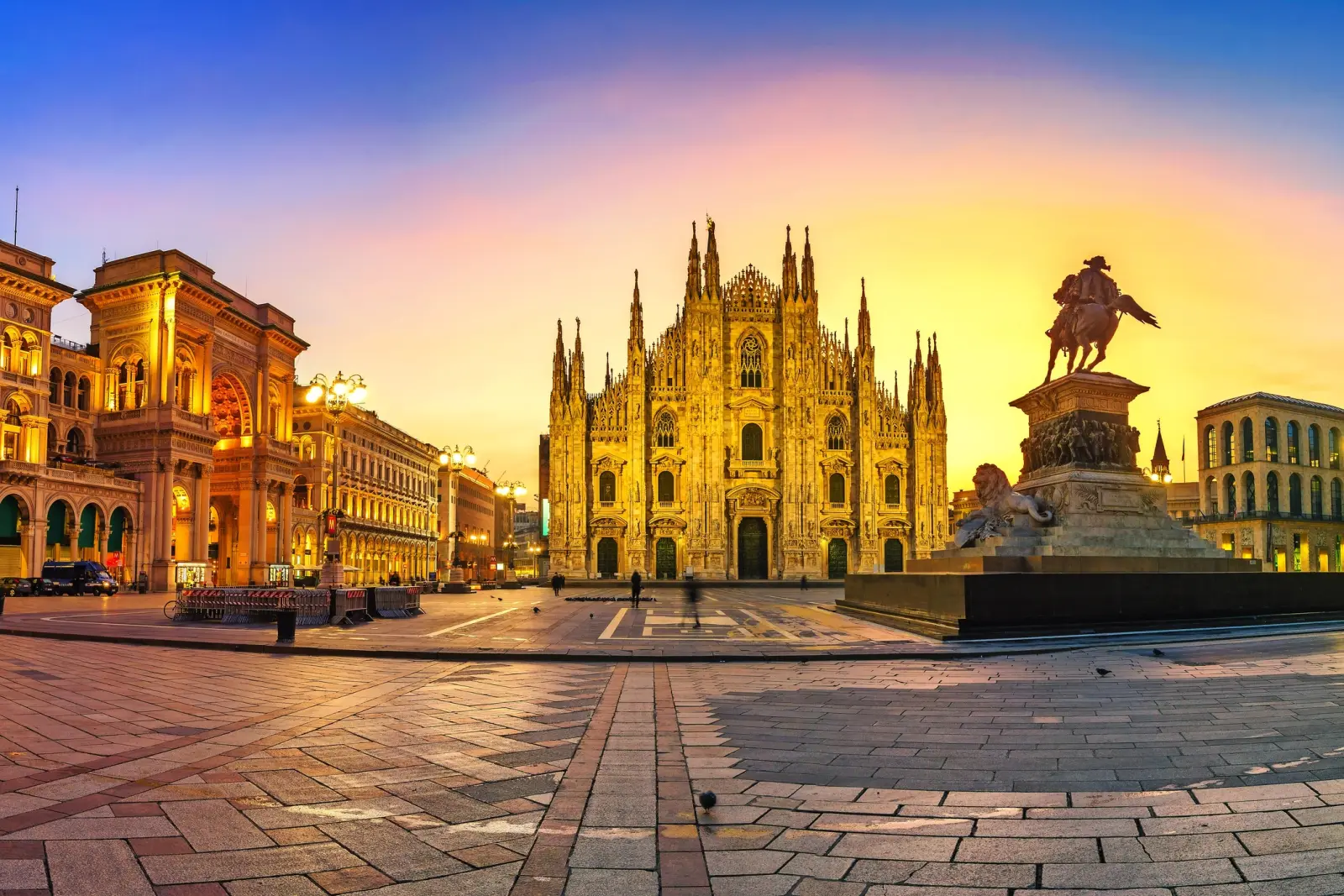
Experience a stylish cultural trip to Milan, Italy's elegant metropolis. Art, architecture and opera blend into a truly special all-round experience. From the imposing cathedral to the legendary La Scala, you will enjoy the Italian way of life, cultural highlights and unforgettable musical moments.
Dates and prices


- 2027

| 12.02. - 14.02.2027 | Fr. - So. | from CHF 2'050.- | |
| 02.04. - 04.04.2027 | Fr. - So. | from CHF 2'130.- |

Day 1: Switzerland – Milan
You will arrive in Milan in the early afternoon. After checking in, there will be time for an aperitif or a stroll through the city. Enjoy Milan's lively atmosphere before you are welcomed for dinner at a lovely restaurant.
Day 2: Milan & Opera
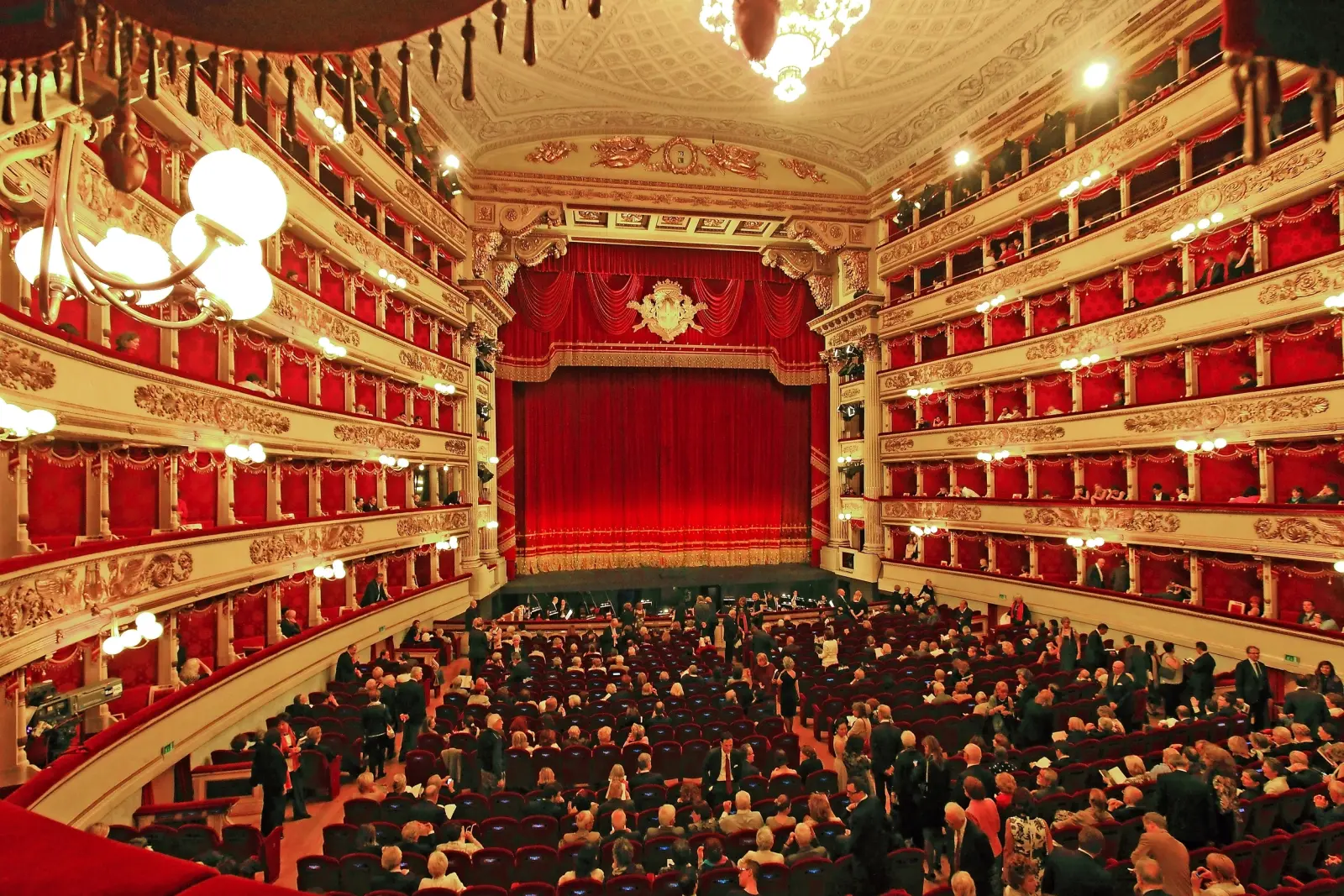
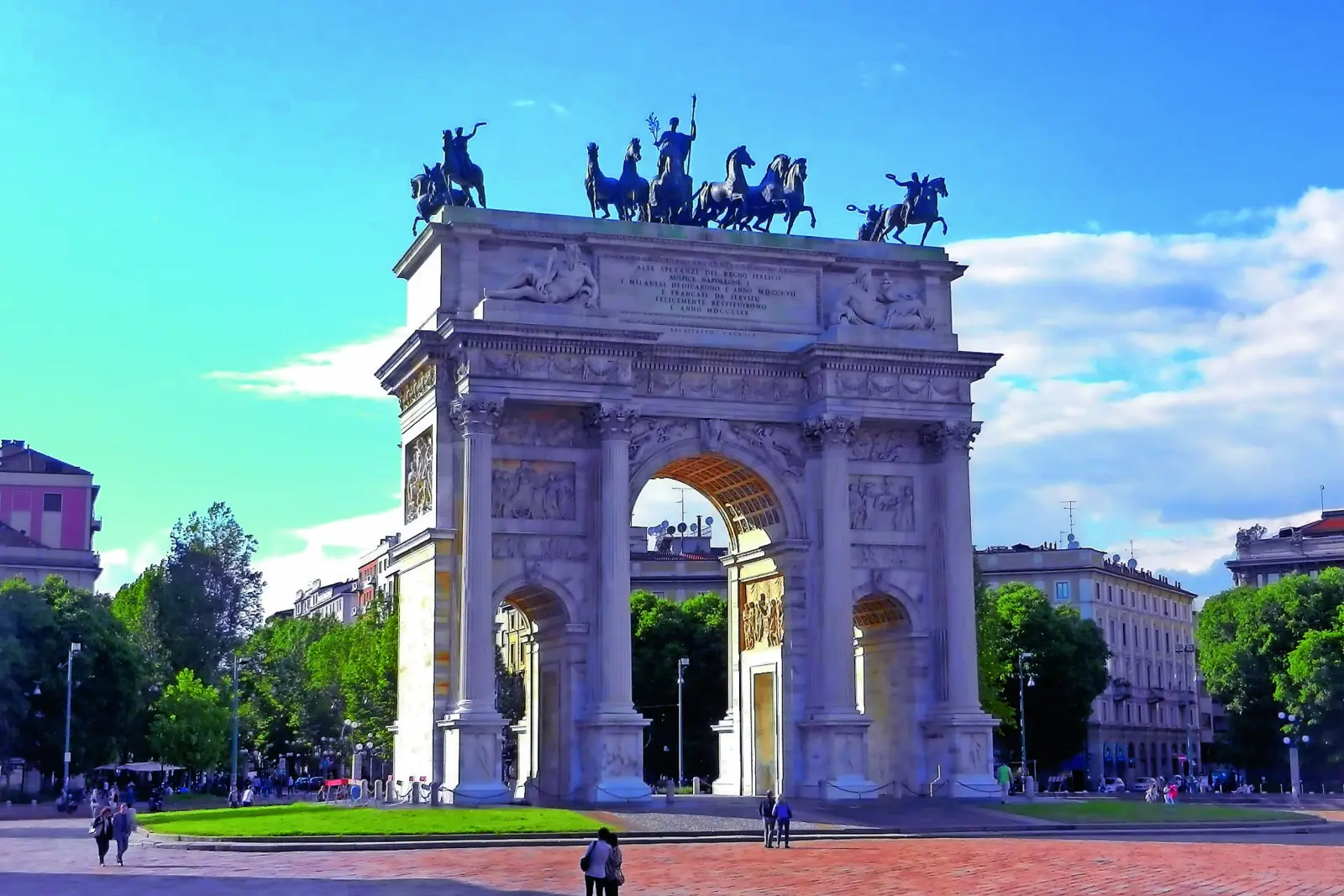
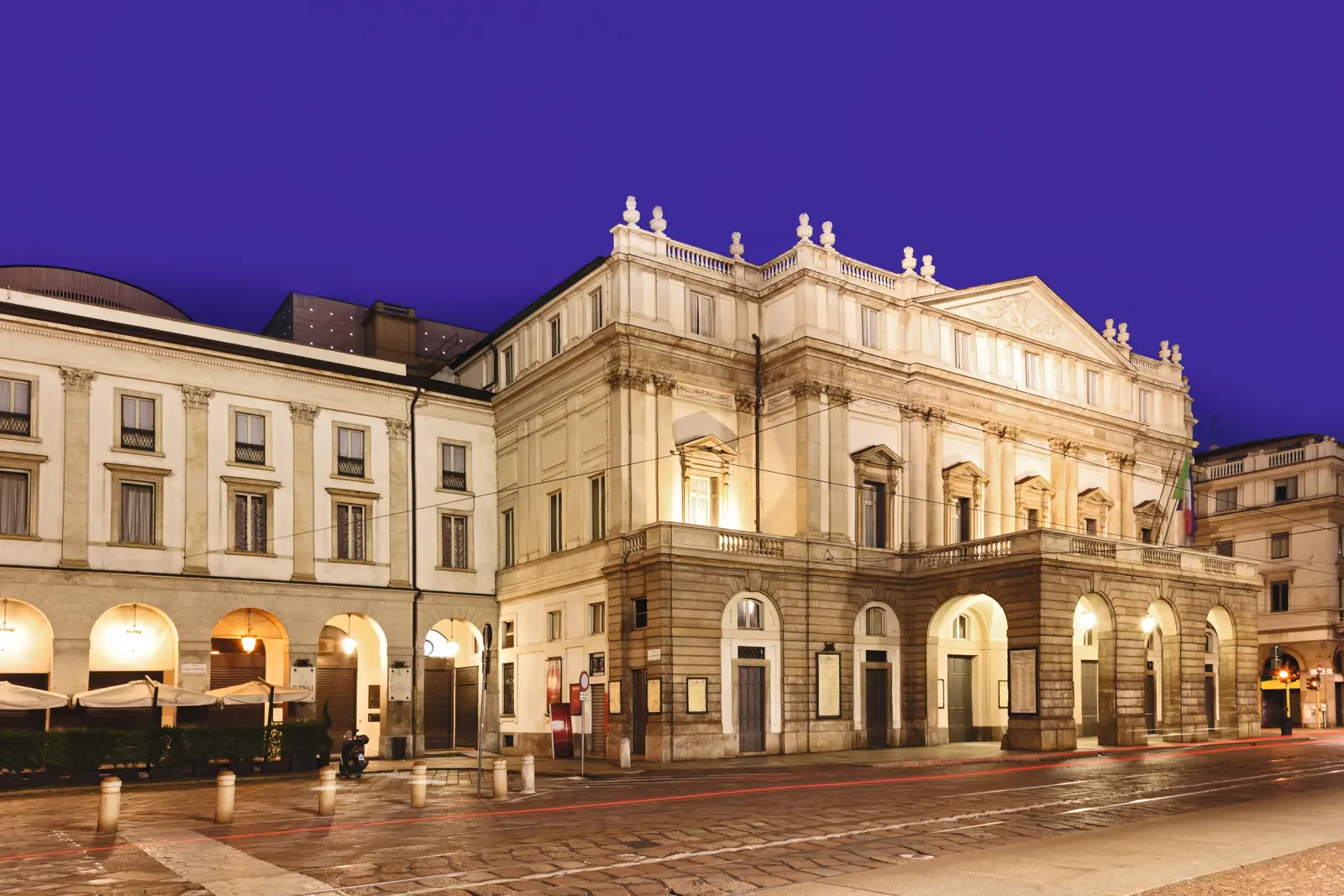
Today Milan shows its most beautiful side. On a guided tour, you will discover the elegant city centre with its magnificent squares, historic buildings and the special flair of the fashion capital. The afternoon is free for you to explore on your own. In the early evening, an Italian opera aperitif will put you in the perfect mood for the highlight of the day: a performance at the world-famous Teatro alla Scala.
Day 3: Milan - Switzerland
In the morning, you will visit the renowned Pinacoteca Ambrosiana. You will discover important Renaissance treasures, including drawings from Leonardo da Vinci's Codex Atlanticus, Caravaggio's famous Basket of Fruit and works by Raphael and Bramante. Around midday, you will begin the journey back to Switzerland.
CarRouge
Die Premium Fahrzeuge sind auf dem neusten Stand der Technik und verfügen über grosszügige Platzverhältnisse: 3 Luxussitze pro Reihe, individuell verstellbare Kopfstützen und eine Innenhöhe von 2.10 m sorgen für ein einzigartiges Raumgefühl.
- 30 breite, luxuriöse Premium-Fauteuils in 2+1-Bestuhlung
- Grosszügiger Sitzabstand von 90 cm
- Sicherheitsgurten an jedem Sitzplatz
- Höhenverstellbarer Fussraster, verstellbare Rücken- und Armlehnen
- Einzigartiges Raumgefühl dank 2.10 Meter Innenhöhe
- Mehrkanal-Tonanlage an jedem Sitz, Spurassistent und Abstandtempomat
- Gratis WLAN/Internet in Europa


360° Panorama
INCLUDED
- Travel by Car Rouge, 2+1 seating
- Music tour guide from/to Switzerland
- Accommodation in a carefully selected 4* hotel
- 2 x B&B (room/breakfast buffet)
- 1 x dinner incl. drinks
- 1 x opera aperitif with wine and canapés
- 1 x good-category ticket for La Scala
- Admission to the Pinacoteca Ambrosiana
- Guided city tour
- Car Rouge audio system
Hotels
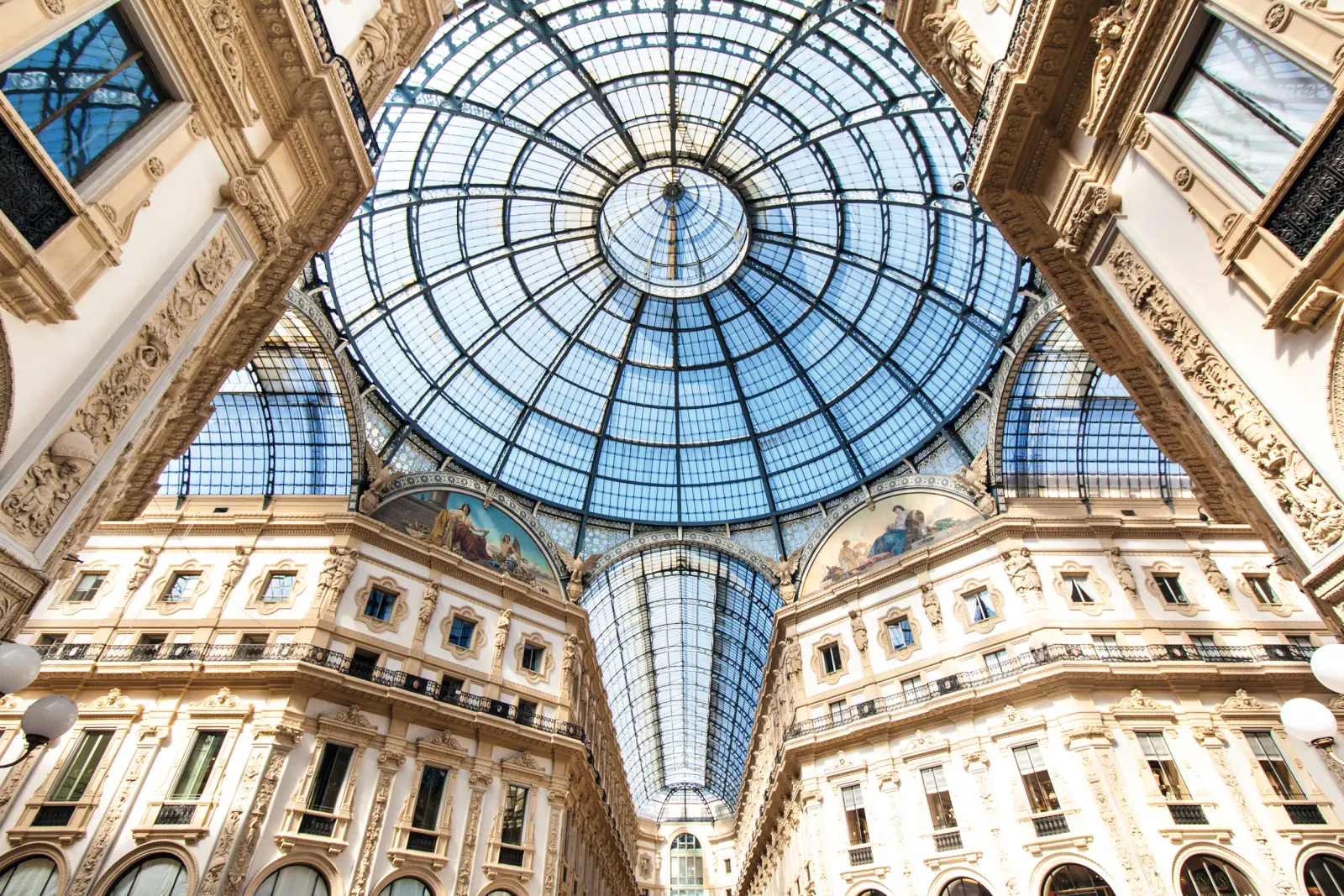
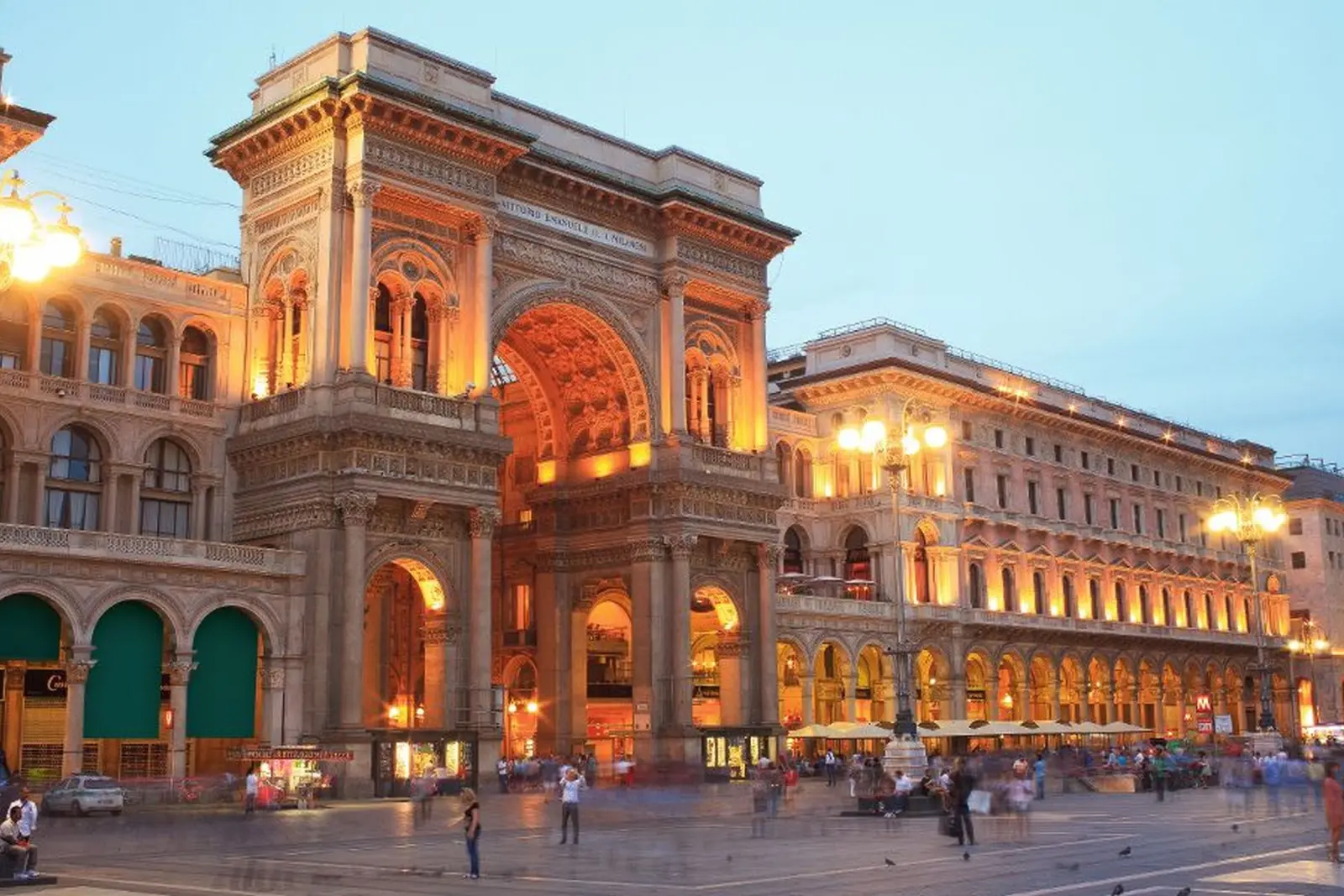
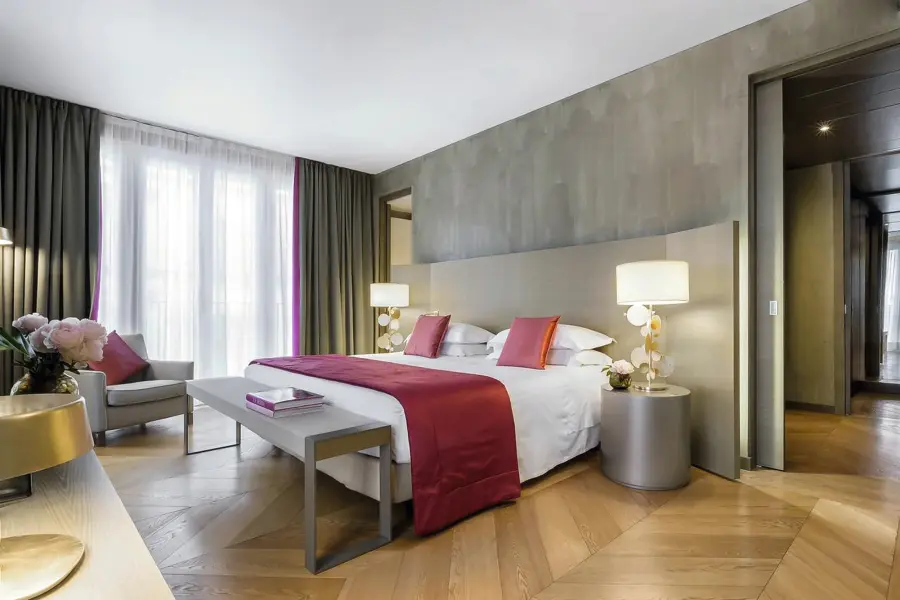
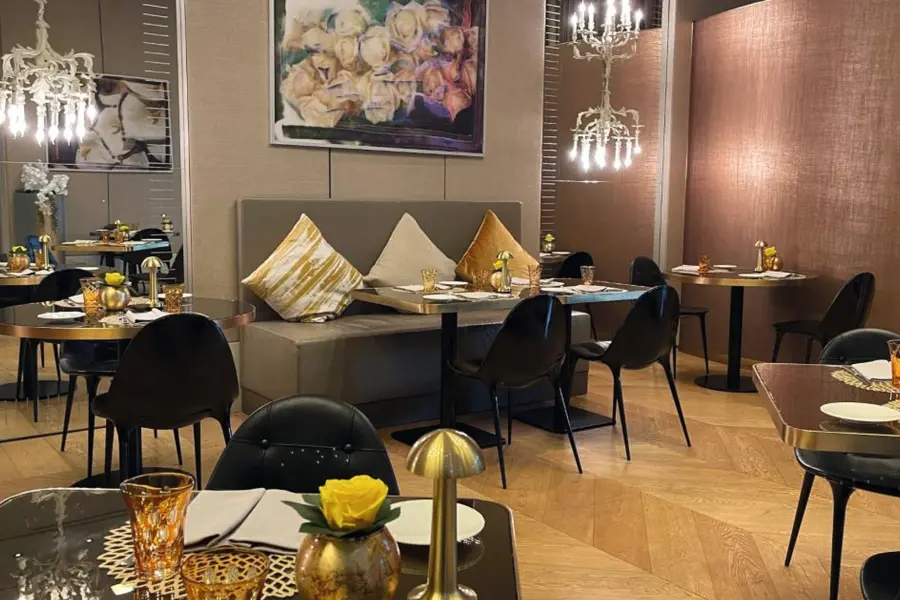
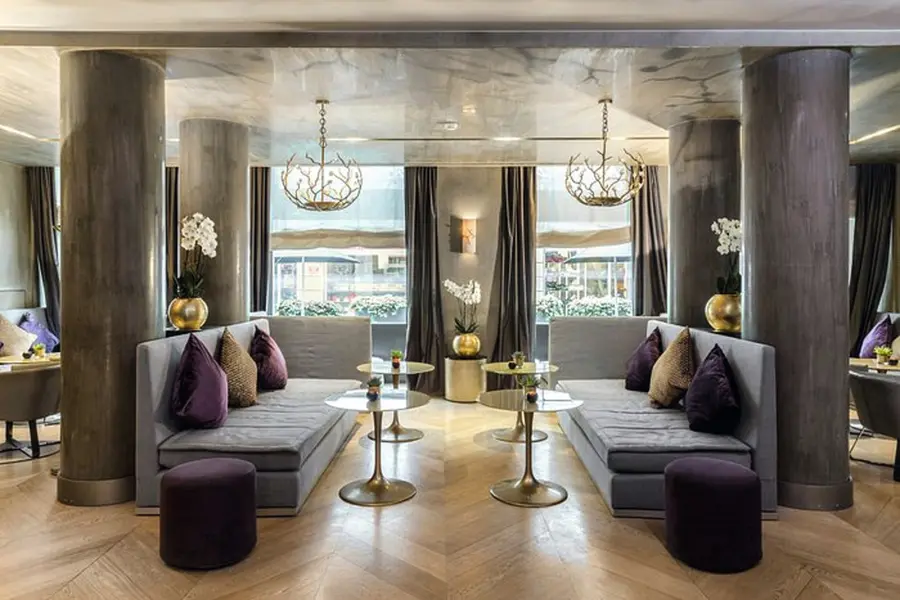
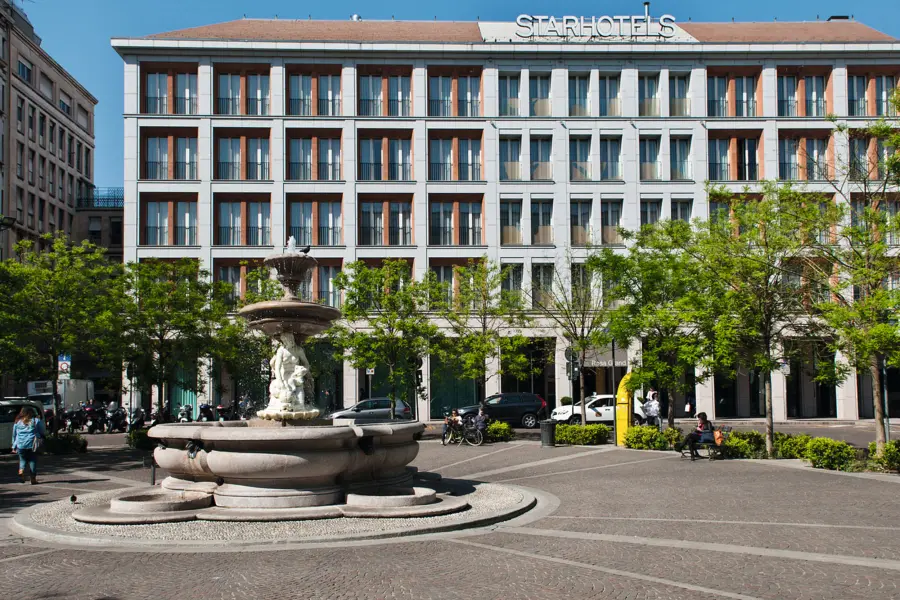
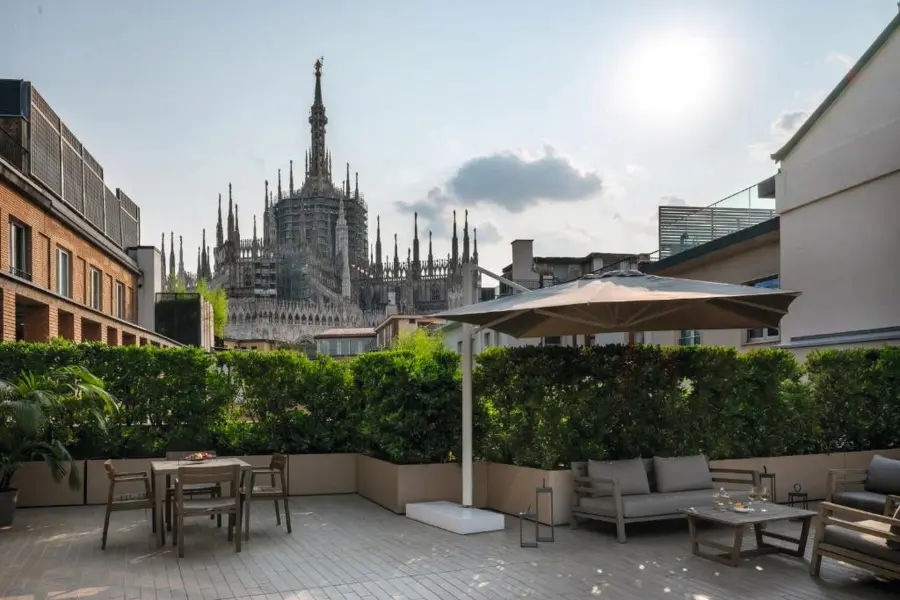
You will stay next to Milan Cathedral at the 4* Hotel Rosa Grand. The Galleria Vittorio Emanuele, the cathedral and the Teatro alla Scala are all close by.
About the operas
Gaetano Donizetti: “Anna Bolena”
“Anna pure amor m’offria” (Enrico)
The feared English king Henry VIII married six times. The divorce from his first wife, Catherine of Aragon, in 1533 led to the break with the Catholic Church. He then married his lady-in-waiting, Anne Boleyn, who bore him the future Queen Elizabeth I. Felice Romani of Genoa wrote the libretto for the Bergamo-born composer Gaetano Donizetti. His 35th opera was premiered with great success on 26 December 1830 at the Teatro Carcano in Milan.
Enrico is in love with his lady-in-waiting Giovanna Seymour. Anna suspects the new affair. She tells her confidante how she gave up her love for Lord Riccardo Percy for Enrico's sake. Giovanna wants to end her relationship with the king and so dispel the suspicion that she only wants the union in order to become queen. Enrico has Riccardo brought back from exile. His friend and Anna's brother, Lord Rochefort, arranges a rendezvous between her and Riccardo.
At the song of the page Smeton, the queen recalls her time with Riccardo. Out of devotion, the page steals a miniature from her. He regrets it and wants to put it back. In doing so he is surprised by Anna and Percy and hides behind a curtain. Anna's confession leaves Riccardo in despair. He wants to kill himself. Smeton believes that Riccardo wants to kill Anna. Enrico discovers Smeton's miniature, which strengthens his suspicion that Anna has been doubly unfaithful. He has all three arrested.
Giovanna tries to persuade Anna to admit her supposed guilt in order to escape execution. Anna then recognises Giovanna's shameful role as her rival.
The tribunal convenes. Smeton believes he must plead guilty. Enrico brings charges against Anna and Riccardo. In desperation, they confess their love. Giovanna pleads in vain with Enrico on Anna's behalf. Anna is sentenced to death and led to the executioner, after cannon shots announce the wedding of Enrico and Giovanna.
Wolfgang Amadeus Mozart: “Don Giovanni” – Dramma giocoso
“Là ci darem la mano” – “Deh vieni alla finestra”
The model for the dramatisation is an old folk legend from Castile, the story of the lecherous Don Juan Tenorio. Mozart was already familiar with the contemporary setting by the Venetian Giuseppe Gazzaniga as well as with Gluck's ballet-pantomime. The libretto, entitled “Il dissoluto punito ossia il Don Giovanni” (The Rake Punished), is by Lorenzo da Ponte. Mozart's cheerful drama was premiered on 29 October 1787 at the Count Nostitz National Theatre in Prague under the composer's direction.
The story begins with a murder. “Il giovane cavaliere estremamente licensioso” (extremely dissolute) threatens Donna Anna, the fiancée of Don Ottavio. Her father, a knight of the order, steps in to protect her. In the duel, the “libertino” Don Giovanni (D.G.) fatally wounds the “commendatore” (knight commander). Don Ottavio swears revenge. Leporello describes his master's life as that of a scoundrel: “La vita che menate è da briccone”. D.G. catches the scent of a young lady (“mi pare sentire odor di femminina”). Donna Elvira, the lady from Burgos, laments that her lover D.G. has abandoned her and curses him as “mostro, fellon, nido d’inganni!” She, too, swears revenge. In his catalogue aria, Leporello lists the 2,064 women whom D.G. has abandoned from Italy to Turkey. The peasant girl Zerlina and her bridegroom Masetto sing of love. D.G. wants to marry Zerlina on the spot: “Là ci darem la mano”. Donna Elvira objects: “Ah fuggi traditor”. Donna Anna tells Don Ottavio how her father died. “Dalla sua pace”: Don Ottavio's peace depends on hers. “Don Giovannino mio”, Leporello calls out to his master in diminutive form. In his champagne aria, D.G. calls for a “minuetto”, a “follia” and an “alemanna”. Masetto complains that Zerlina left him on their wedding day. She should simply beat him: “Batti, batti, o bel Masetto la tua povera Zerlina!” At the ball, “maschere galanti” appear. Don Ottavio dances the minuet with Donna Anna; Don Giovanni a contradanza with Zerlina; Leporello “un Balla la Teitsch” (a German dance) with Masetto.
D.G. needs women more than bread to eat and air to breathe. He slips into Leporello's clothes. What does the servant think of it? “Mi par che abbiate un’anima di bronzo.” Dressed in D.G.'s clothes, Leporello beguiles Donna Elvira. D.G.'s canzonetta “Deh vieni alla finestra, o mio tesoro!” is also meant for her. Masetto wants to kill D.G. with a musket and pistol. D.G. strikes back and breaks Masetto's bones and nerves: “mi ruppe l’ossa e i nervi!”. Leporello reveals himself and begs for forgiveness: “Ah pietà di me!” In his aria “Il mio tesoro intanto”, Don Ottavio wants to avenge the murder of Donna Anna's father. In the duet “Per queste tue manine”, Zerlina ties Leporello to a chair. Donna Elvira despairs over her fate as a betrayed soul: “Mi tradì quell’alma ingrata”.
In the cemetery, D.G. tells his servant his latest tales of women. Then il commendatore appears as the stone guest. Leporello addresses him: “O statua gentilissima del gran commendatore...benché di marmo siate.” Undaunted, D.G. asks the Commendatore: “Verrete a cena?” The statue nods. To table music with quotations from “Le Nozze di Figaro”, they drink a “Marzimino” and eat “un pezzo di fagiano” (pheasant). Donna Elvira demands that D.G. change his life (“che vita cangi”). He retorts triumphantly: “Vivan le femmine!” The stone guest knocks at the door. D.G. accepts his invitation. Amid flames, he is swallowed up by the earth. Joy reigns. Donna Elvira enters a convent, Zerlina and Masetto go off to feast, and Leporello heads to the inn. The moral of the story rings out in a sextet: “Questo è il fin di chi fa mal!”