







Dordogne – Fairy-Tale and Mysterious
This report was produced in collaboration with our partner Schweizer Familie. Original article «Zum Bleiben schön» published in: «Schweizer Familie» 38, 2020.
Text: Rolf Hürzeler / Schweizer Familie
Photos: Jorma Müller / Schweizer Familie
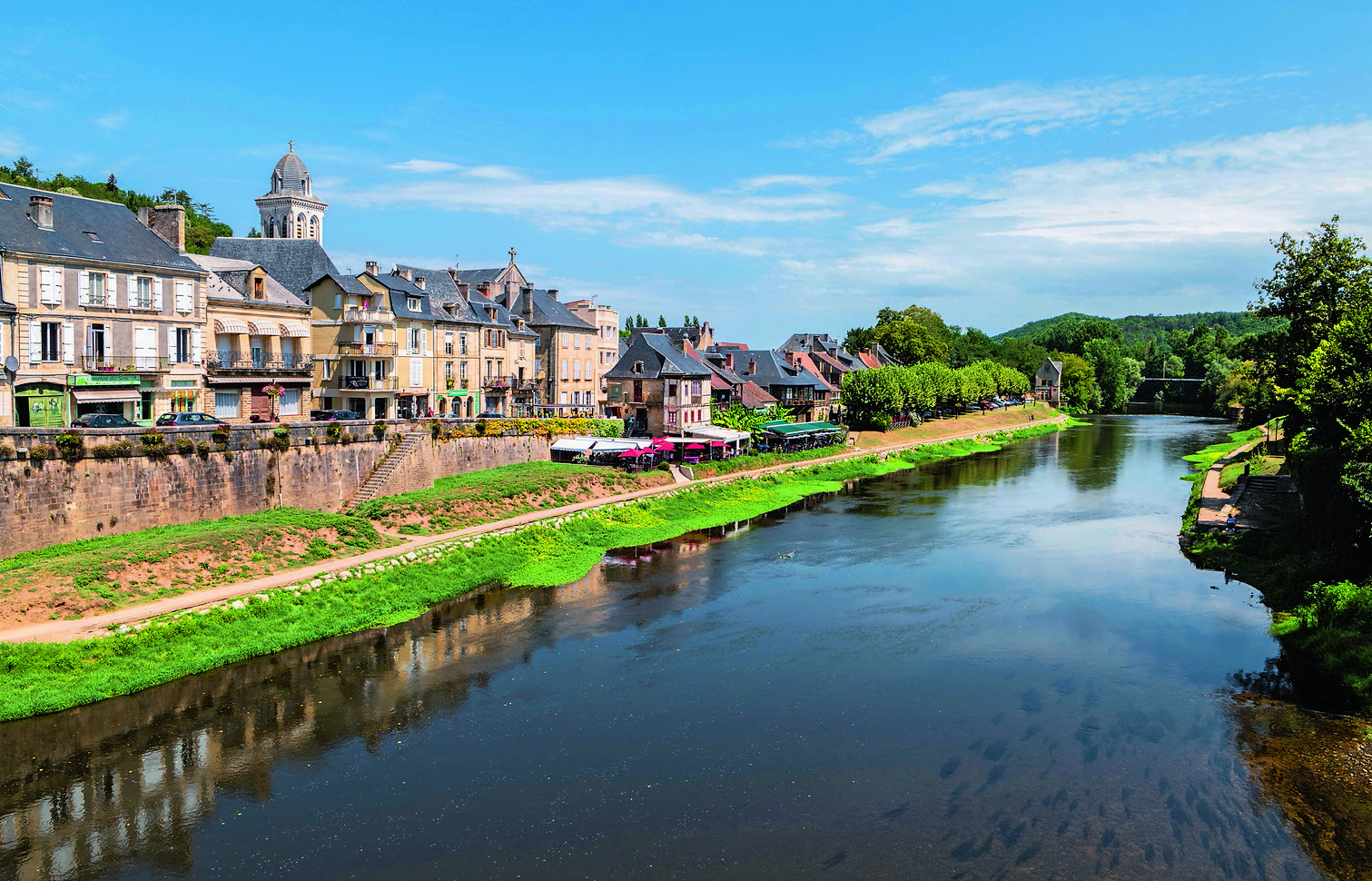
The August sun makes the lush landscapes of the Dordogne glow. Fields of golden-yellow sunflowers, vegetables in every shade of green, and dense pine and dark oak forests shape the idyllic scene. This blooming abundance of nature is interrupted by limestone formations that tower skywards like mighty sculptures and lend the area something archaic and mysterious. In between, the Dordogne winds its way through the département of the same name in south-west France. The river drifts lazily along in the sun; at times you get the impression that the water is standing still. Broad banks rise from the water and bear witness to the gravel that the river carries along as its daily burden to its sister, the Garonne, with which it flows on, united, towards the Atlantic.
In the midst of this unspoilt landscape, in one of the oak forests where wild boar and deer live, a treasure lies hidden that is more than 14,000 years old. It is the Rouffignac Cave, whose gaping depths reveal prehistoric drawings to visitors. Our ancestors painted skilfully crafted mammoths on the rock walls of underground caves. Perhaps because they liked the shaggy animals so much, perhaps because they wanted to honour them, since they hunted them and lived on their meat.
The modern cave dweller of Rouffignac is called Jean Plassard, 69. He is the owner of the cave and knows it like the back of his hand. His grandfather, he says, recognised the potential of these underground passages more than 50 years ago and was already exploring them back then. The owning family has now made them accessible to visitors with a small electric train, and visitors can admire the mammoth drawings with plenty of «ooh» and «aah». Bears, among other animal species, can also be seen here and there on the walls.
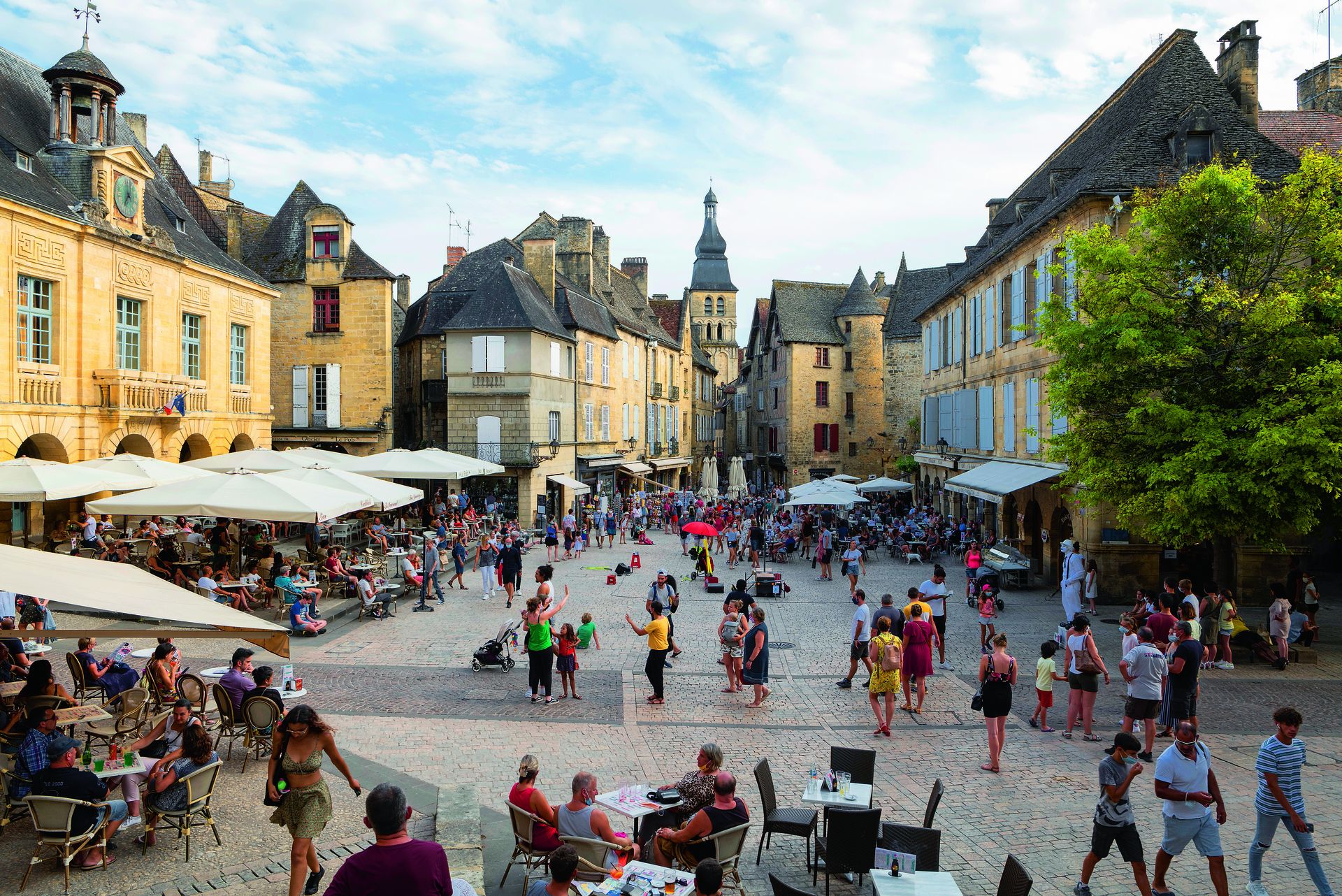
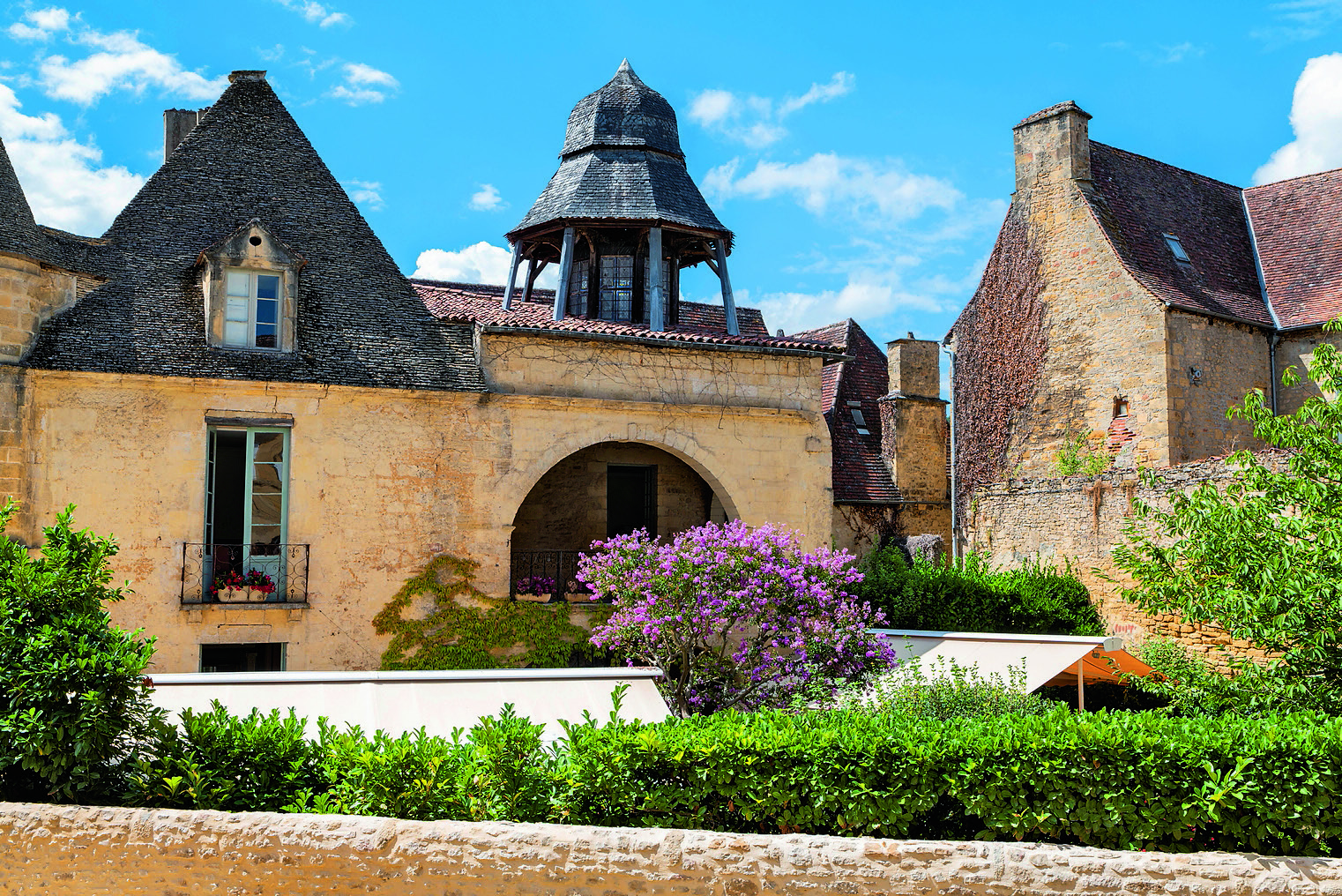
Back in daylight, your eyes first have to adjust to the brightness before the drive continues to the medieval town of Sarlat. At first glance, the town's historic buildings seem to enclose only the large Place de la Liberté. But it is worth exploring the many side streets around the parish church. The stroll turns out to be a small lesson in French architectural history: from the early Middle Ages through the Gothic to the stately Baroque. It is as if the people of every era wanted to leave their architectural mark on Sarlat, so that tourists remember them with the same admiration as the cave painters of Rouffignac.
A cheerful atmosphere at the market
Many people visit the town on Saturdays to shop at the weekly market. The otherwise peaceful town then becomes loud and cheerful, all the more so when local character Philippe Montet, 59, makes his appearance. For decades he has sold nothing but garlic and onions, but in every variety. Like a market crier, he praises his purple garlic cloves at the top of his voice, claiming they are sharper than the white ones and taste the best for miles around. His words are convincing: customers crowd around his stall and stock up on the strongly scented bulbs as if they were about to be rationed.
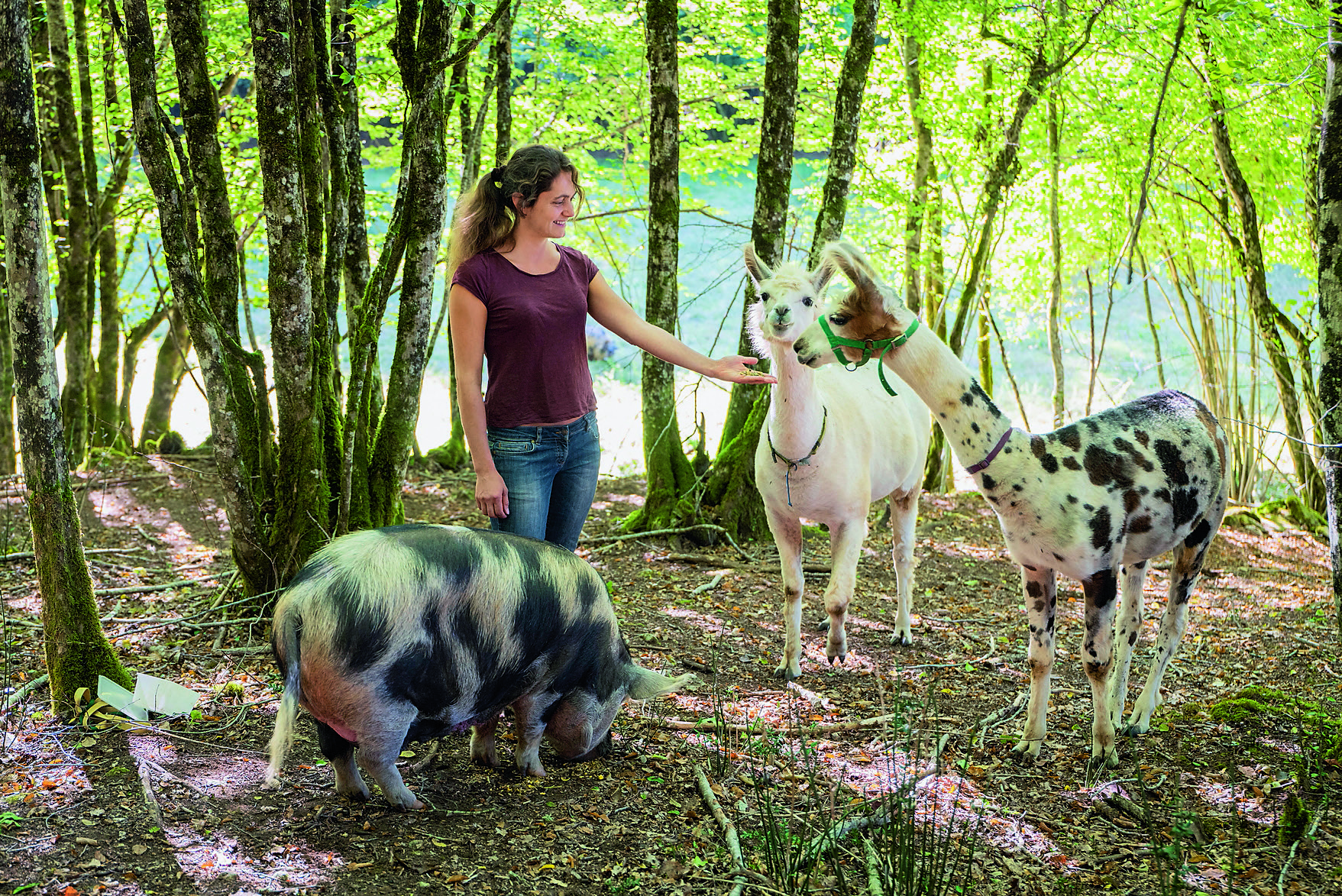
Not far from Sarlat, in the village of Les Eyzies, lives the young Swiss woman Michela Thomann, who runs her own 20-hectare farm and keeps a small Noah's ark. Among all the animals, four peaceable llamas stand out, as does the lovable sow Louise, who is as affectionate as a lapdog after two weeks without love. Thomann grew up in the Dordogne because her parents discovered the region in their youth and were so taken with it that they emigrated here. «Life in the Dordogne is freer, but harder than in a Swiss city,» says the 32-year-old, who has the aura of a fearless doer. She appreciates that the daily rhythm is calmer: «People here still have more time.» In summer, Thomann occasionally leads groups of tourists through the Dordogne to show them the corners that are not in every guidebook.
Bruno crime novels set in Le Bugue
Take the small town of Le Bugue, for example, whose name hardly anyone knows, but which is familiar to all crime fiction fans as Saint-Denis. That is what the Scottish author Martin Walker calls his home town in his novels, from where his fictional investigator Bruno Courrèges tracks down crime. Le Bugue itself is a sleepy place; however, a visit to the wine shop Julien de Savignac is recommended, run by Julien Montfort, 41, and his partner Caline Sokolow, 43. They offer a seemingly endless selection of bottles of local wines and spirits, particularly from the neighbouring Bergerac wine region.
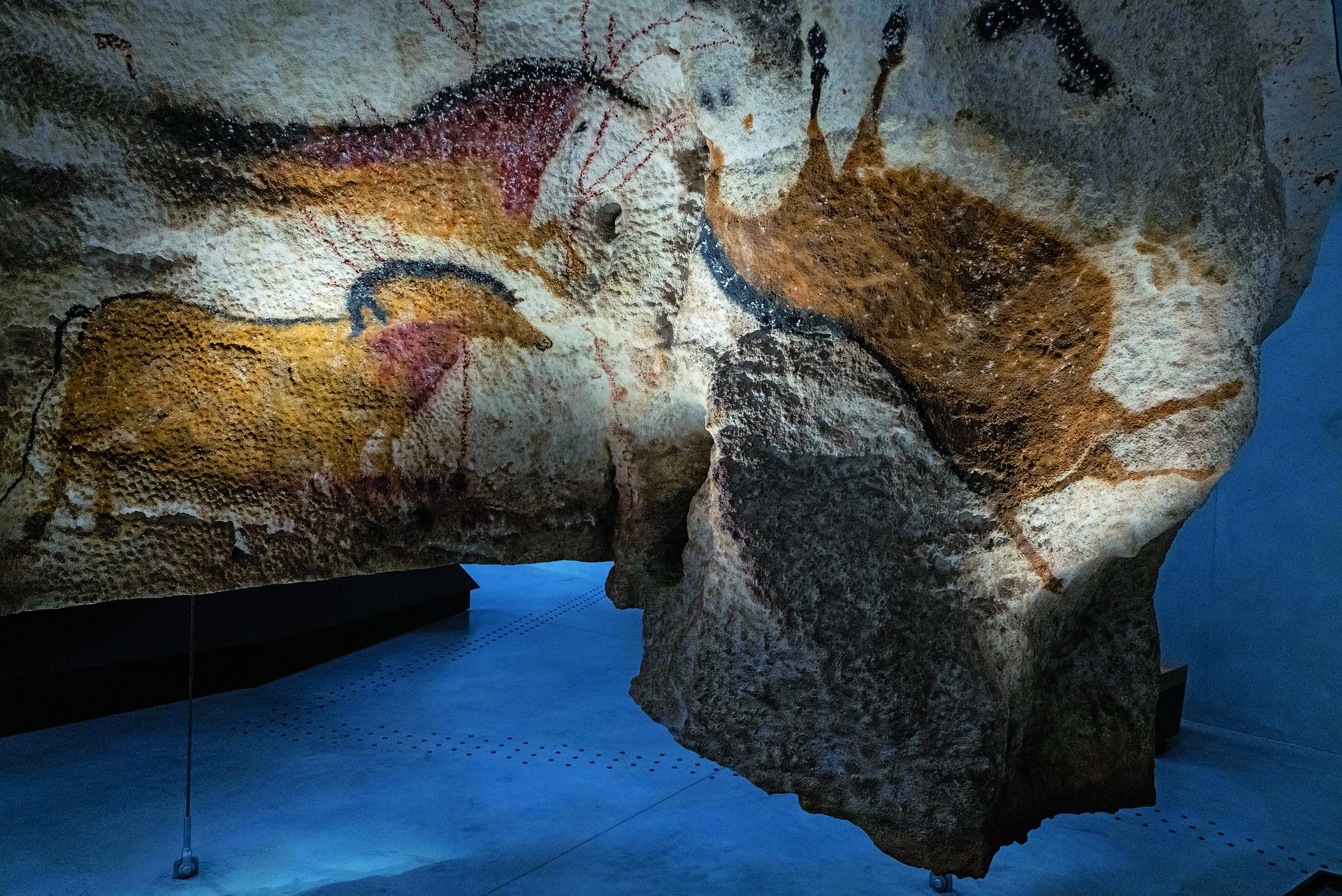
After a tasting of good wines with bread and cheese, another highlight of a journey through the Dordogne awaits: the famous caves of Lascaux, which are a UNESCO World Heritage Site. The wall drawings of Lascaux are more than 16,000 years old and adorn long passages and mighty halls, all laid out underground like a labyrinth. Instead of the mammoths of Rouffignac, the artists here preferred horses above all, drawing them on the walls in every conceivable form, as if there had already been a prehistoric concours back then. It is just a pity that the originals are off limits. The immense influx of visitors since the discovery of Lascaux during the Second World War threatened to destroy the drawings. The French authorities therefore closed the caves to the public, who are compensated with a generously reconstructed site featuring all the drawings. A knowledgeable expert guides visitors through the extensive museum rooms, which leave you pondering: why on earth did the prehistoric artists leave their wall paintings so well hidden, where no one discovered them for millennia? We will never know.
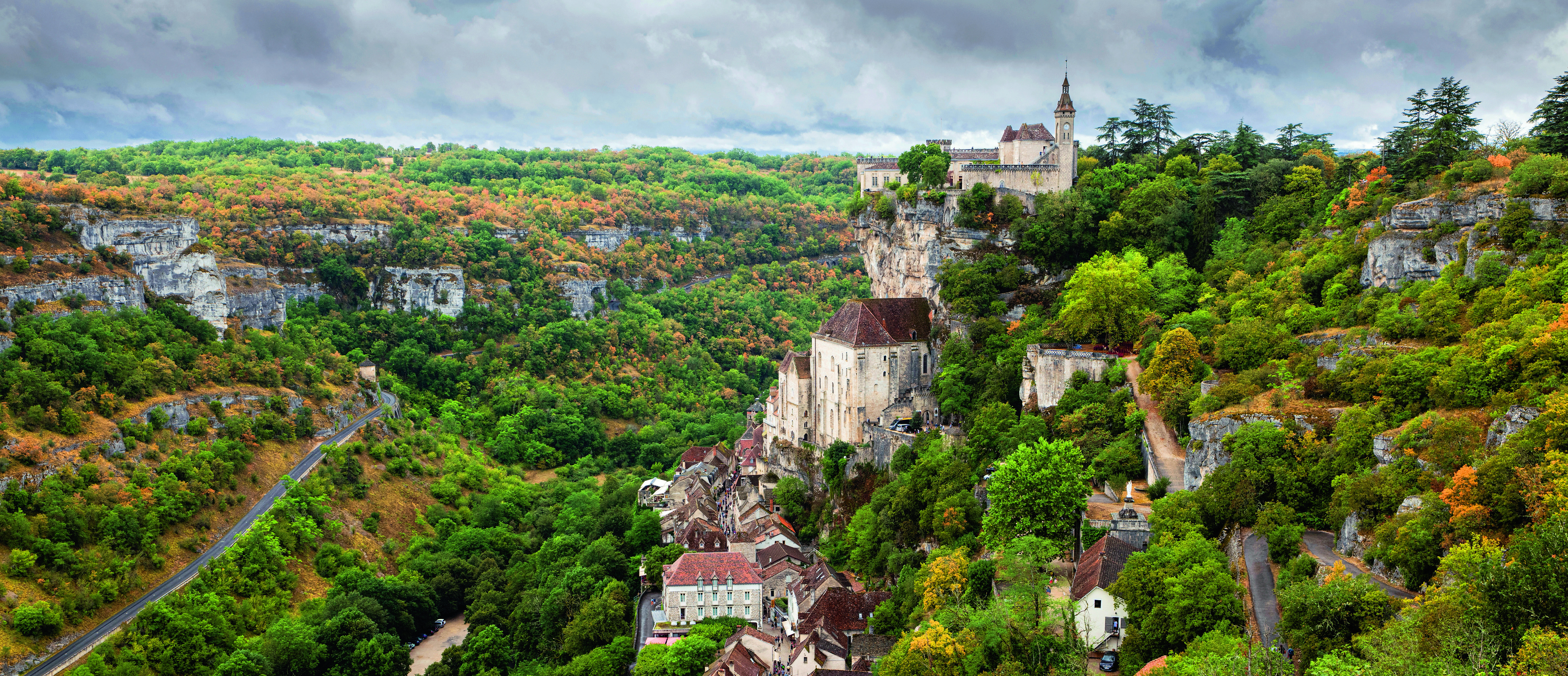
The miracle of the pilgrimage site of Rocamadour likewise remains an unsolvable mystery. In the mid-12th century, the incorrupt body of the hermit Amadour is said to have been found in front of the chapel of Notre Dame. Since then, people have made pilgrimages to the place because it is said to help in the recovery from incurable illnesses. True or not, the walk through the sacred buildings, set into a cliff face, is breathtaking. You experience a spectacular view over a rugged valley and can well understand why the hermit wanted to live right here. For all his renunciation of worldly things, the daily view should at least provide some refreshing pleasure.
A pilgrimage to famous goat's cheese
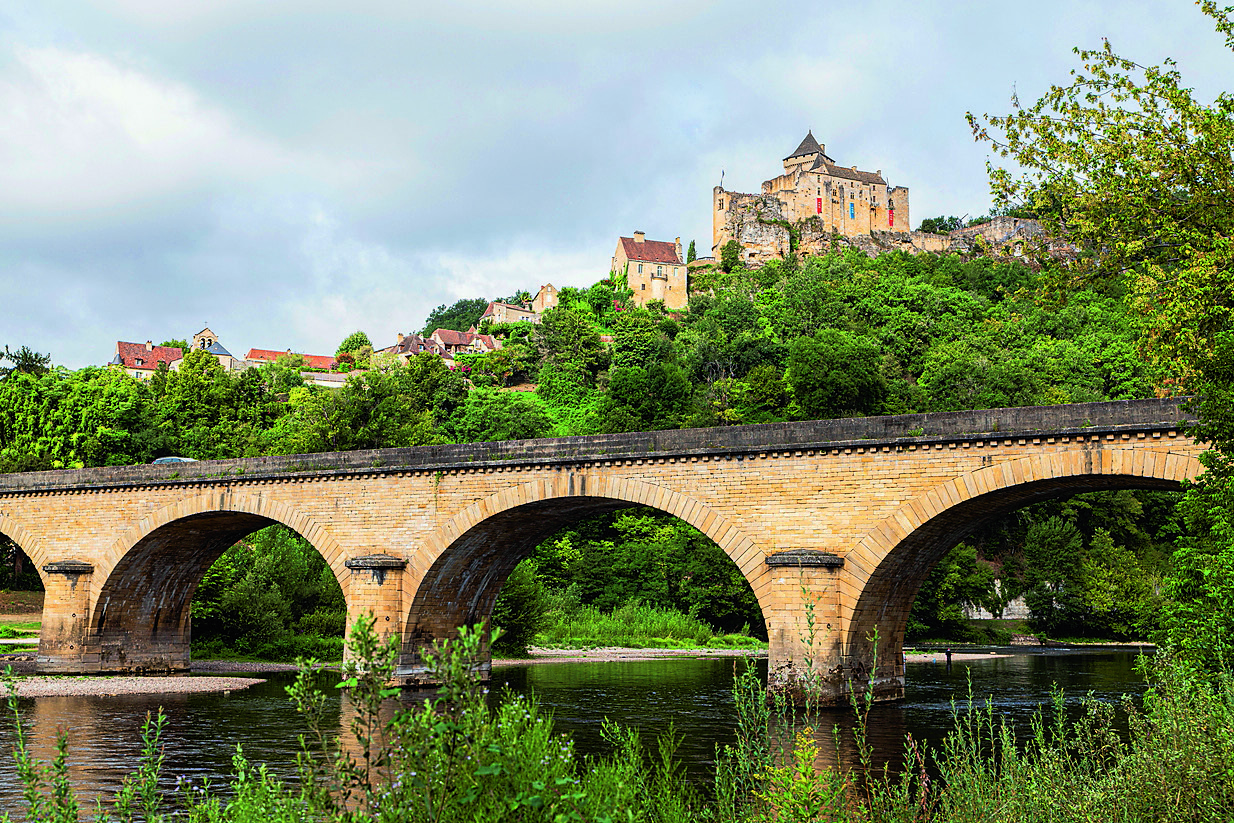
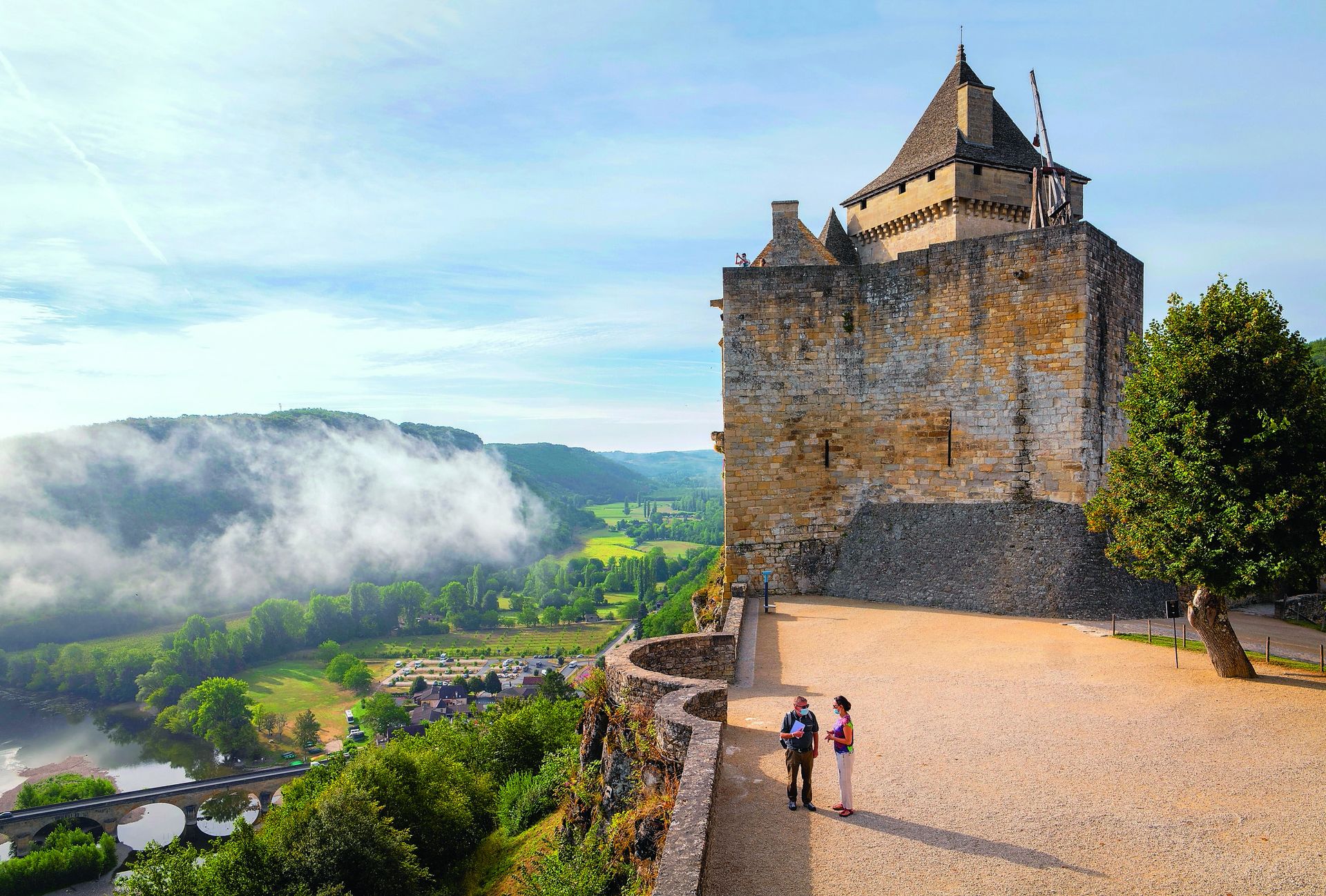
From the pilgrimage site, you nowadays take a lift down to the village of Rocamadour, which consists of a main street with numerous shops selling the famous goat's cheese Cabécou de Rocamadour, although there is no goat to be seen, as the animals graze hidden among the rocks and are probably laughing up their sleeves because everyone is searching for them in vain. A pilgrimage destination of a completely different kind are the Gardens of Marqueyssac, a magnet for all nature lovers. Since the end of the 19th century, box trees have been tended here in every conceivable variety. Head gardener Jean Lemoussu, 50, welcomes visitors and leads them through the garden paths: «Here you will find countless shapes of the same plant,» he explains, adding: «Every shrub is an individual, as if it had a personality of its own.» That is why Monsieur Lemoussu feels thoroughly at home in this sprawling garden, and you easily get the impression that he has adapted his curly head of hair to the way the plants are pruned. A half-hour walk leads through the box-tree paradise to the Belvédère viewpoint, which opens up a view across the expanse of the Dordogne Valley. With this scenery, one would like to tell the settler Amadour in retrospect that he could have pitched his tent here, too. Directly opposite, on the other side of the valley, rises Castelnaud Castle. Its historical merit is that it deepened the proverbial love between the French and the English. They bashed each other's heads in in these parts in the 14th and 15th centuries, which went down in history as the Hundred Years' War.
Discovering old crafts
The current castle owners show visitors, in a well-kept setting, how the smart chevaliers and their elegant ladies of the castle used to live. Whether in the chambers or in the kitchen, where cooks roasted saddles of venison in a grand fireplace. A different kind of fire has been lit by the virtuoso blacksmith Florian Baroud. He demonstrates to the audience how craftsmen used to make spearheads for their arrows with great skill, to hunt game or the English. Today, everything is much more peaceful. Families populate the castle grounds and spread out with their picnics, a bit as the cave dwellers of the Dordogne probably liked to do in the oak forests a few thousand years ago.