


Dresden – a city as a stage Anne-Sophie Mutter Live & The Magic Flute
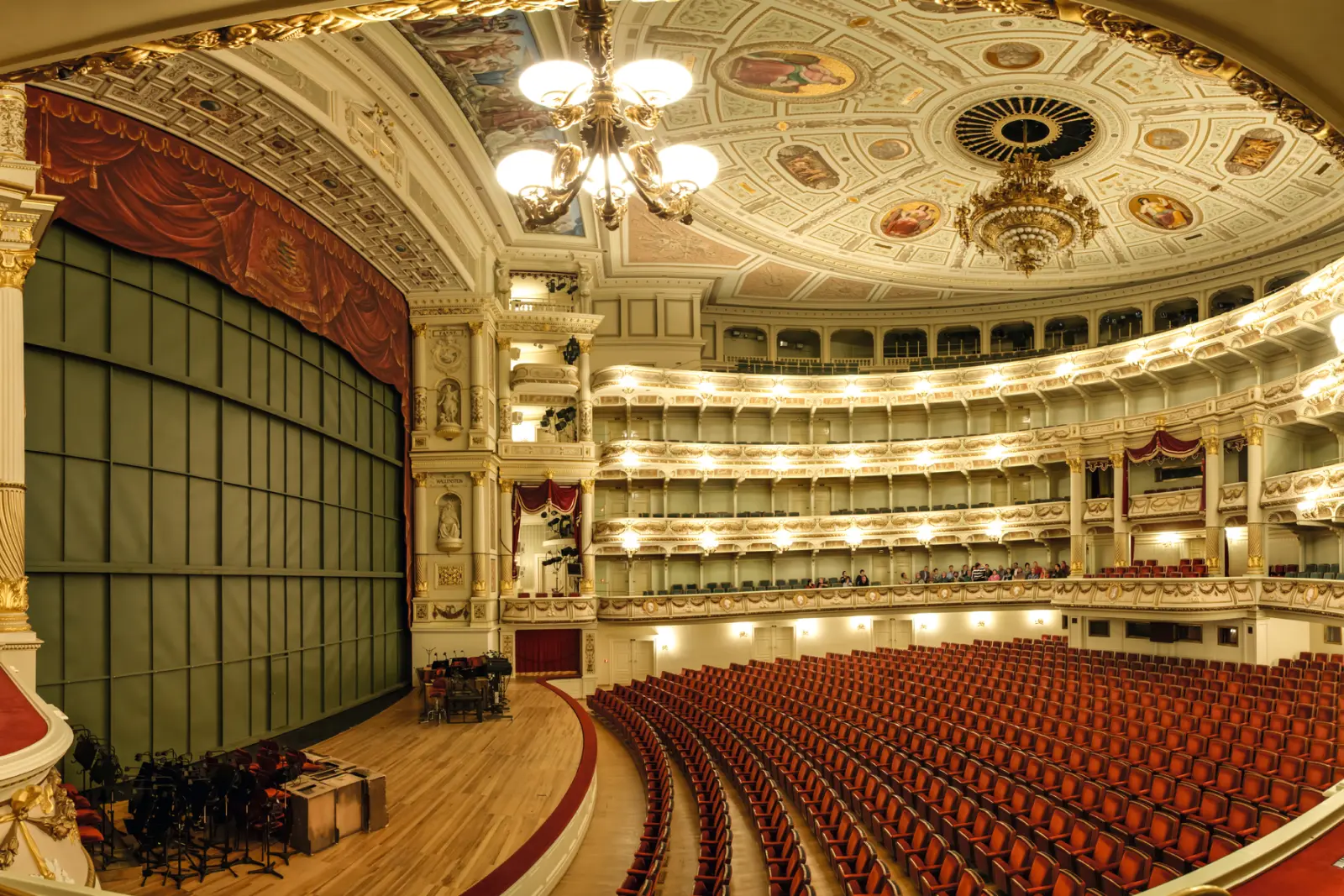
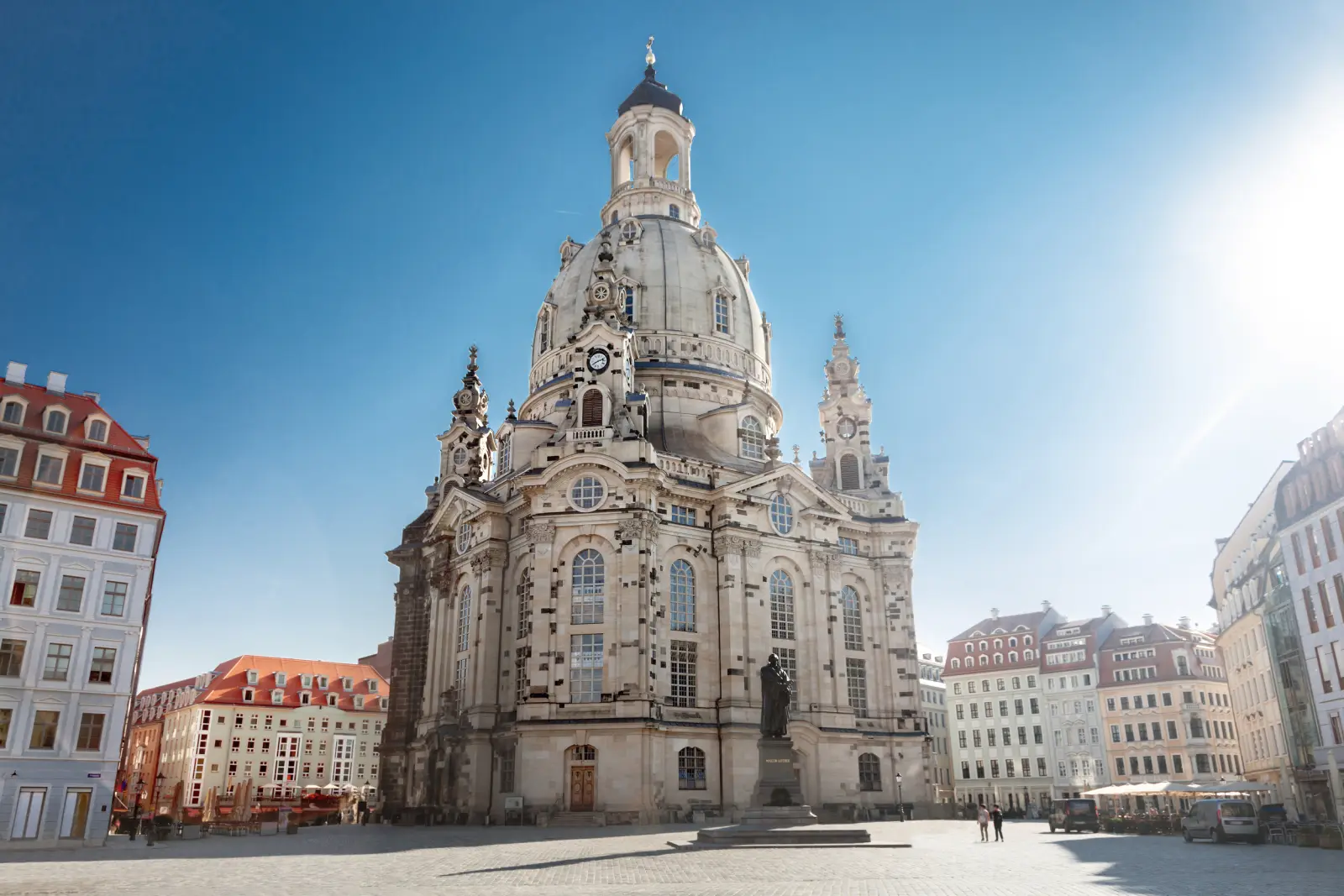
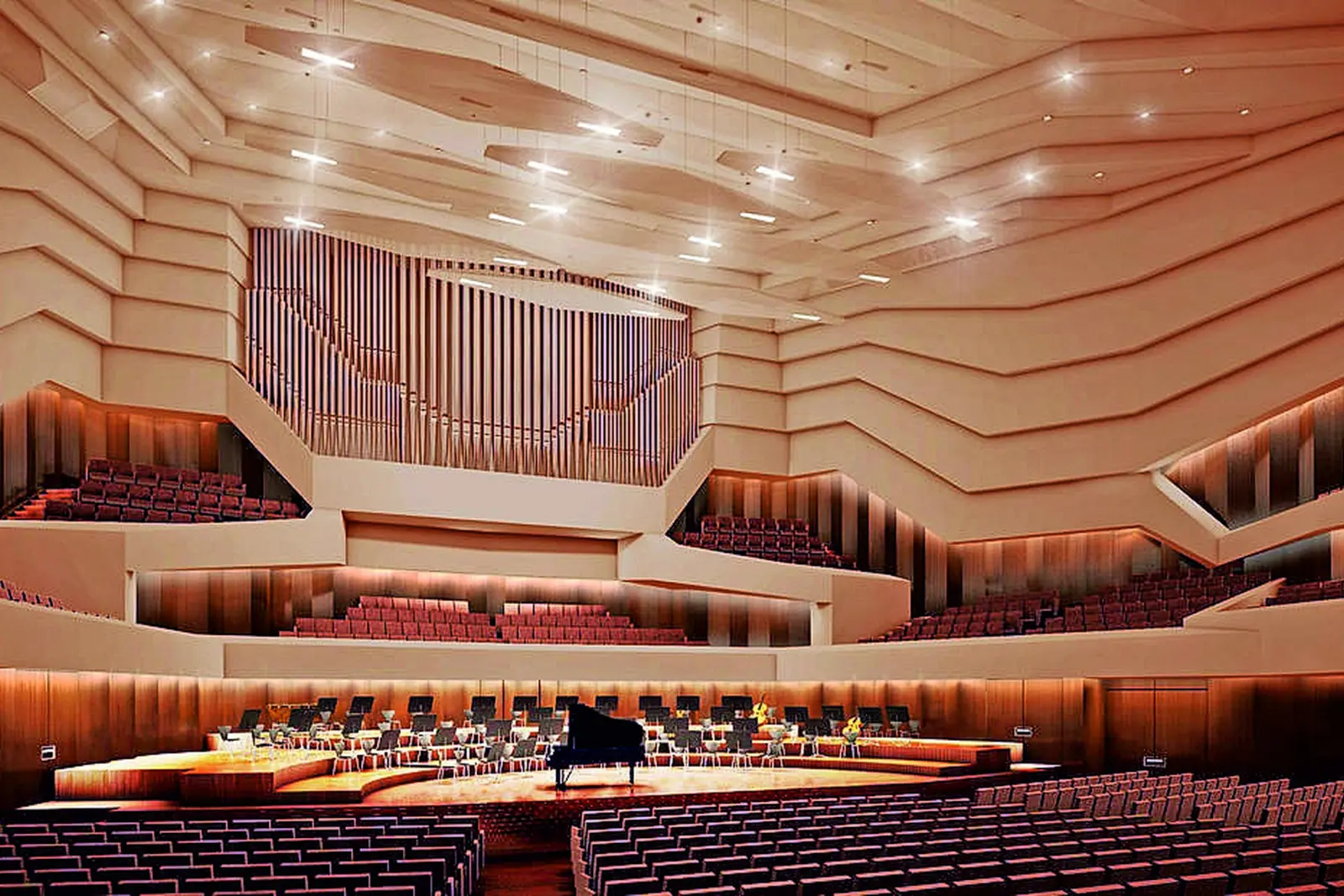
Experience the city of music and culture that is Dresden at its very best. At the famous Semperoper, you will enjoy «The Magic Flute», while at the Kulturpalast a top-class concert awaits you with star violinist Anne-Sophie Mutter and the Danish National Orchestra under Fabio Luisi. Further highlights include the Old Masters Picture Gallery, the Frauenkirche and an excursion to Meissen, including a visit to the world-famous porcelain manufactory.
Dates and prices


- 2027

| 22.05. - 26.05.2027 | Sa. - Mi. | from CHF 2'350.- |

Day 1: Switzerland – Dresden
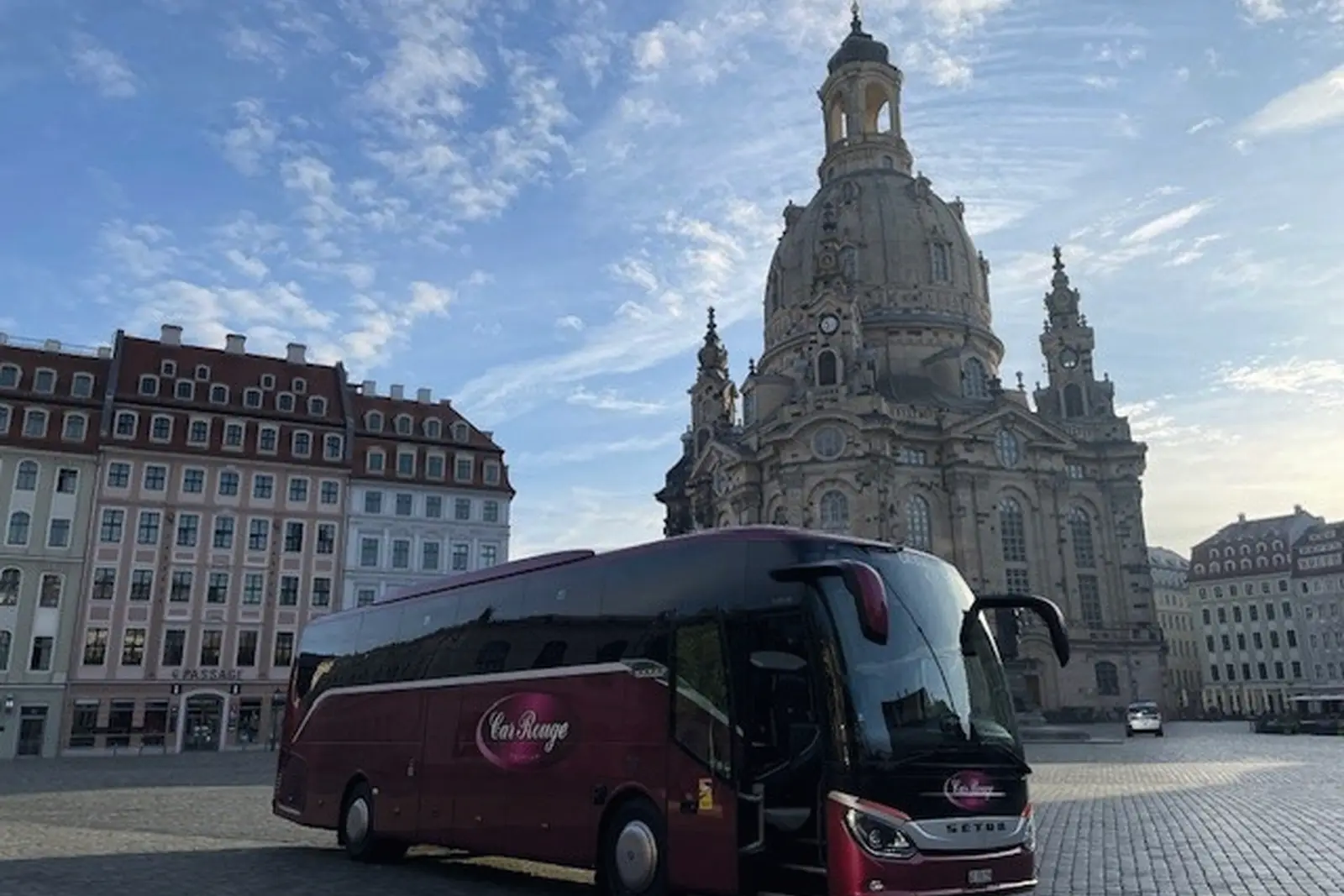
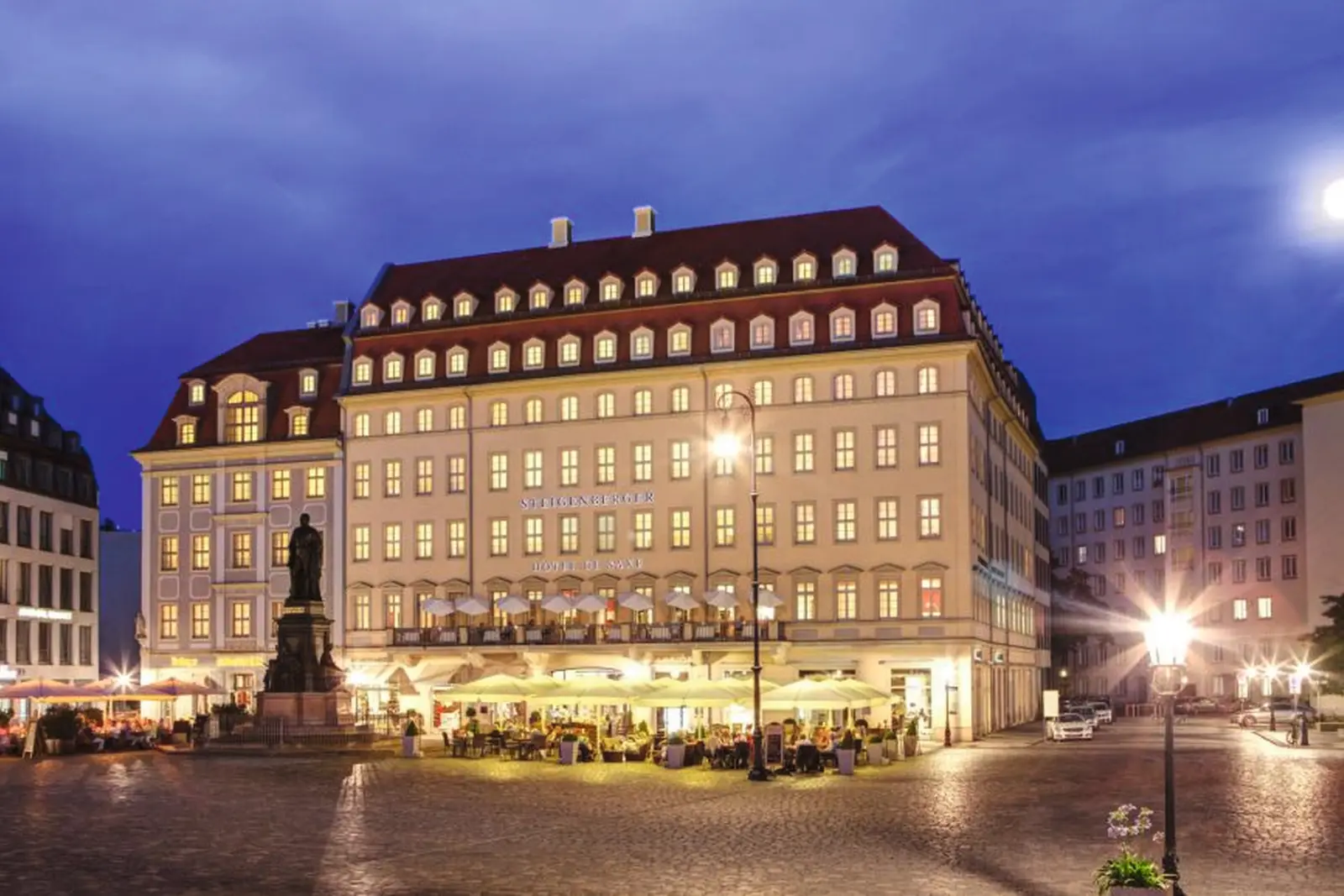
Journey by luxury Car Rouge to Dresden. Check-in and dinner at the Steigenberger Hotel beside the Frauenkirche.
Day 2: Dresden & Opera
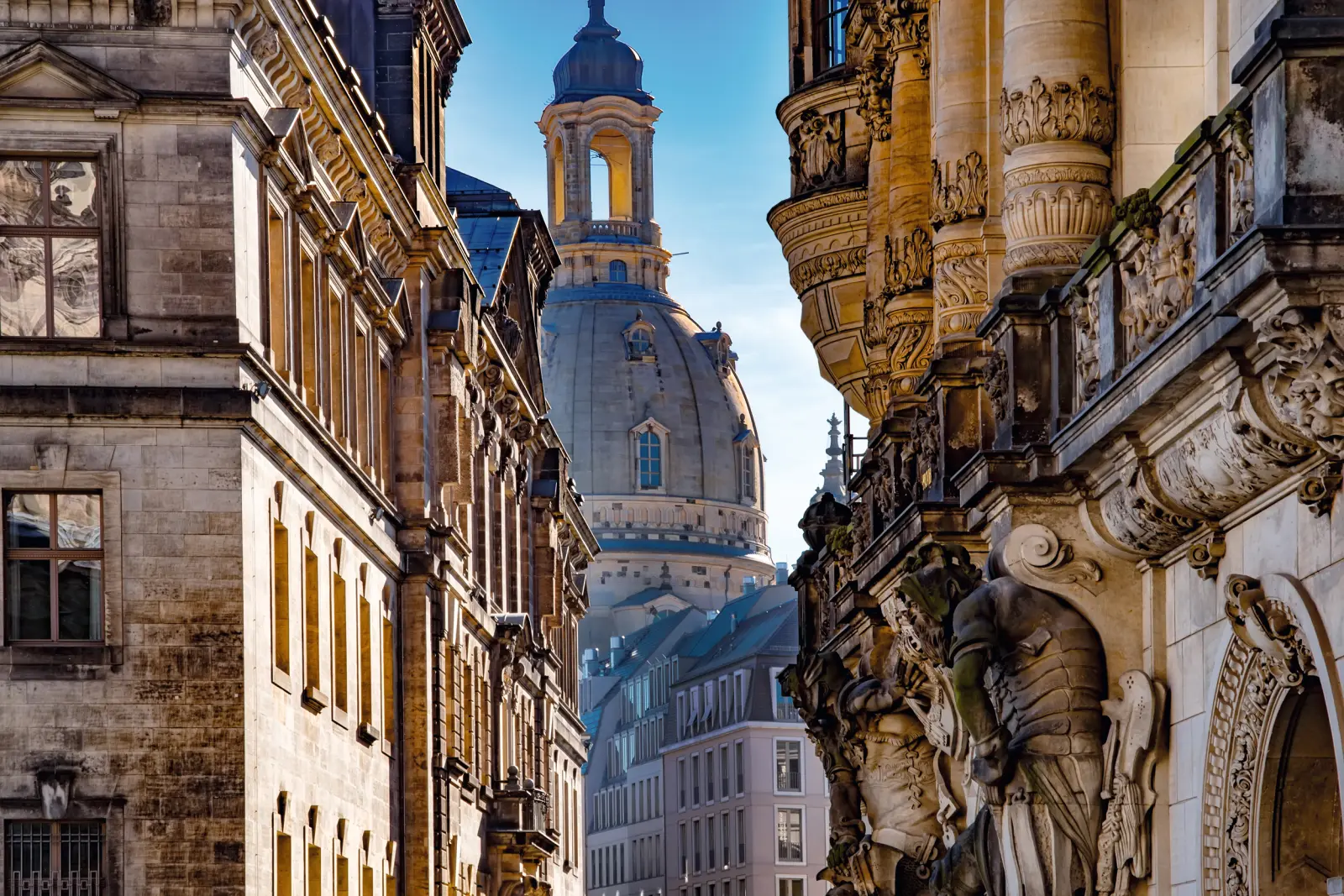
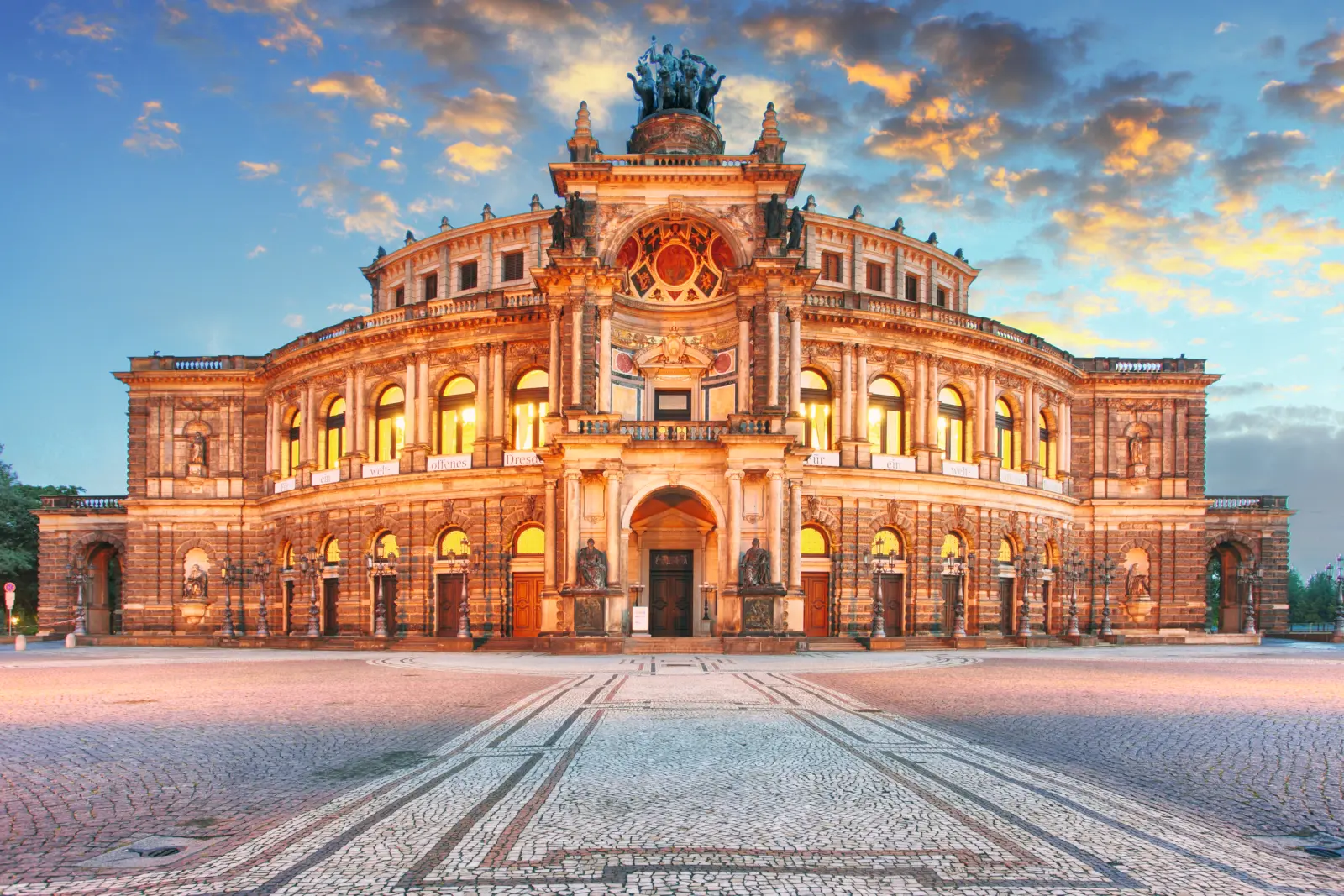
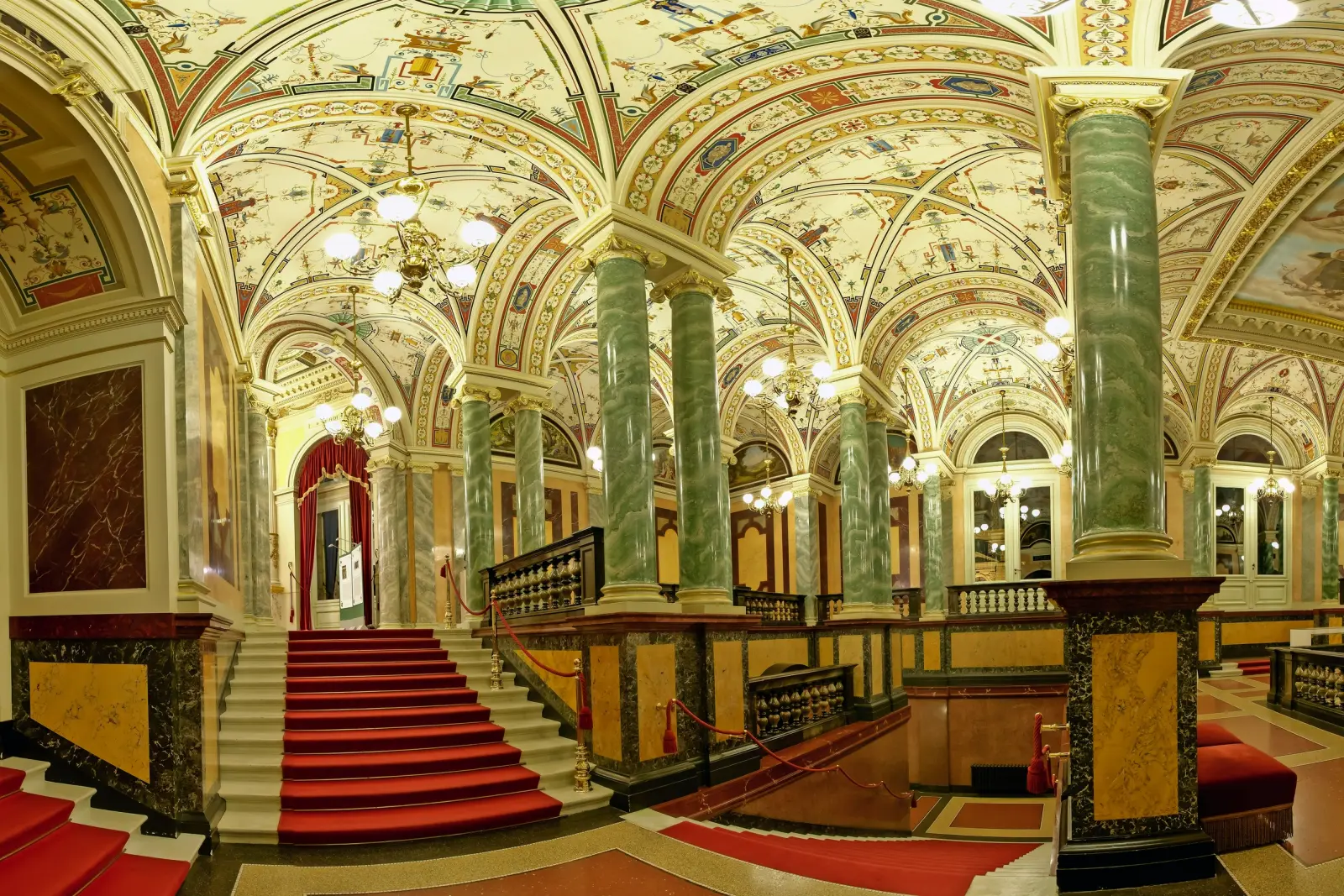
Along the charming Elbe Valley you will see elegant villa districts, the Elbe castles and the famous “Blue Wonder” bridge. You will then explore the old town with the Frauenkirche, Zwinger, Semperoper and Residenzschloss. The afternoon is at your leisure. Before the performance, you will enjoy a fine opera aperitif at the hotel. In the evening, attend the performance at the Semperoper.
Day 3: Old Masters & Boat Trip
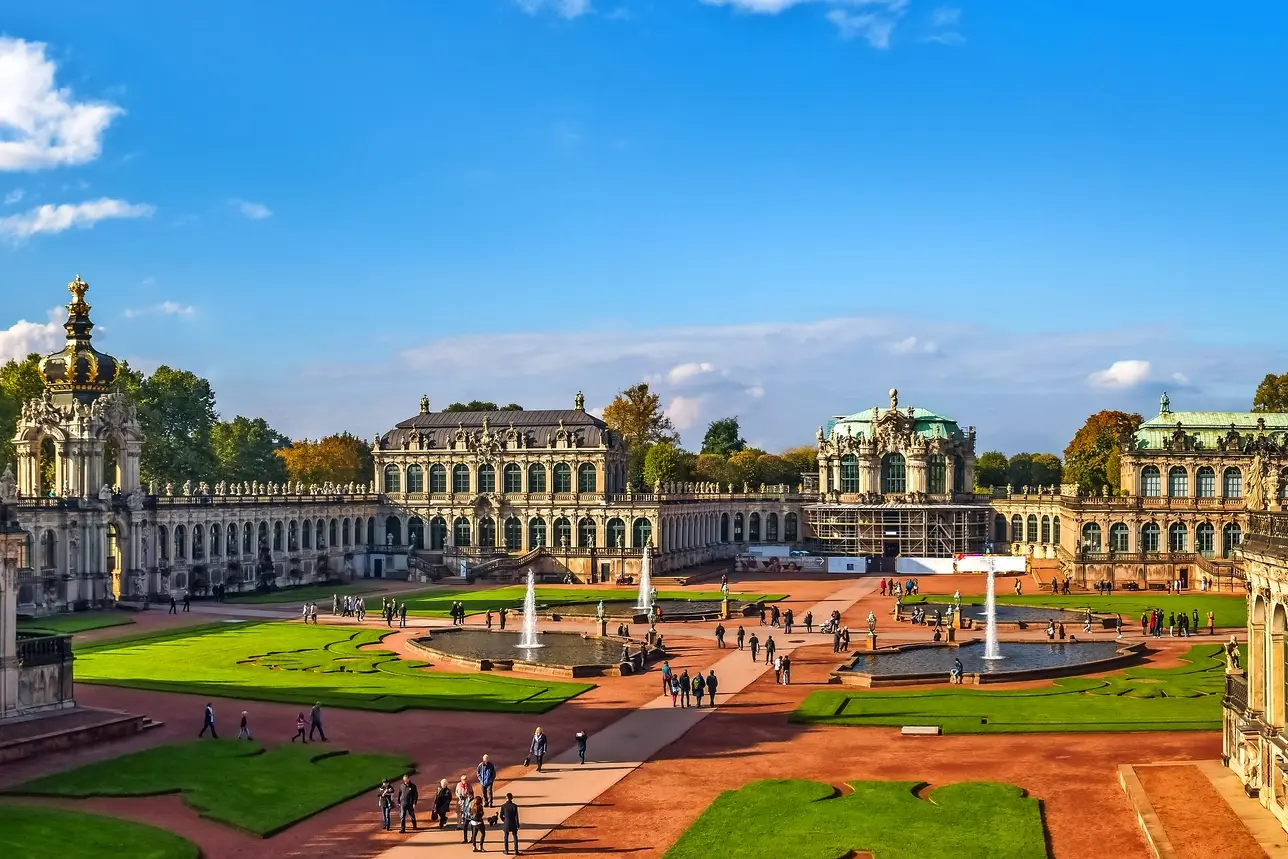
Visit to the Old Masters Picture Gallery in Dresden’s Zwinger. Discover masterpieces of European painting, including Raphael’s world-famous “Sistine Madonna” as well as important works by Rembrandt and Vermeer. The magnificent rooms of the Zwinger provide the perfect setting for this art collection. Afterwards, enjoy an atmospheric boat trip on the Elbe, accompanied by coffee and cake.
Day 4: Excursion to Meissen
The excursion takes you to Meissen, world-famous for its porcelain. At the MEISSEN porcelain manufactory you will see the making of “white gold” in the demonstration workshop and gain insights into traditional craftsmanship. You will then enjoy a light lunch before returning to Dresden. In the evening you will attend the concert at the Kulturpalast.
Day 5: Dresden - Switzerland
Return journey to Switzerland.
CarRouge
Die Premium Fahrzeuge sind auf dem neusten Stand der Technik und verfügen über grosszügige Platzverhältnisse: 3 Luxussitze pro Reihe, individuell verstellbare Kopfstützen und eine Innenhöhe von 2.10 m sorgen für ein einzigartiges Raumgefühl.
- 30 breite, luxuriöse Premium-Fauteuils in 2+1-Bestuhlung
- Grosszügiger Sitzabstand von 90 cm
- Sicherheitsgurten an jedem Sitzplatz
- Höhenverstellbarer Fussraster, verstellbare Rücken- und Armlehnen
- Einzigartiges Raumgefühl dank 2.10 Meter Innenhöhe
- Mehrkanal-Tonanlage an jedem Sitz, Spurassistent und Abstandtempomat
- Gratis WLAN/Internet in Europa


360° Panorama
INCLUDED
- Travel by Car Rouge, 2+1 seating
- Music tour manager from/to Switzerland
- Accommodation in a carefully selected 4* hotel
- 4 x BB (room/breakfast buffet)
- 2 x dinner incl. drinks
- 1 x aperitif with wine and canapés
- 1 x one-course plated meal incl. drinks
- Category 1 opera ticket
- Category 1 concert ticket
- Boat trip on the Elbe
- Admissions as per programme
- Car Rouge audio system
Hotels
You will stay at the elegant 4* Steigenberger Hotel de Saxe beside the Frauenkirche, in the heart of the city.

About the opera
Wolfgang Amadeus Mozart: “The Magic Flute”
Tamino: “Dies Bildnis ist bezaubernd schön” (“This portrait is enchantingly beautiful”)
The libretto was written by the Hamlet actor and director Emanuel Schikaneder. The Egyptian settings were taken from the novel “Sethos” by Jean Terrasson, in the translation by Matthias Claudius. Mozart’s last opera was composed between spring and September 1791. He conducted the premiere on 30 September at the Theater auf der Wieden in Vienna. A year later, theatre director Schikaneder was already able to schedule the 100th performance.
Prince Tamino, dressed for hunting, is afraid of a serpent. Three Ladies of the Queen of the Night slay the monster with their silver javelins. They admire the handsome youth. Papageno, with the bird cage on his back and a little faun’s flute in his hands, sings his entrance aria as the bird-catcher. His mother is said to have served the “starry-blazing Queen of the Night”. For his birds he receives sweet bread and sweet figs from the Three Ladies. He claims to have slain the serpent himself. So today he receives water, a stone and a golden padlock for his mouth. The Three Ladies give Tamino a portrait of the Queen’s daughter Pamina. His response is the aria: “Dies Bildnis ist bezaubernd schön!” She has been abducted by a villain. The Queen of the Night laments the abduction in her coloratura aria: “Zum Leiden bin ich geboren”. In the quintet the Three Ladies free the silenced Papageno from his padlock, hand him a glockenspiel and give Tamino a golden flute that is to grant him omnipotence. The two are to seek out Sarastro’s castle, to which three boys will show the way.
Scene change. In an Egyptian chamber three slaves make merry over the cruel Moor Monostatos and Pamina’s escape; she reminds him of Sarastro, who has her put in chains. Papageno recognises her by the portrait around her neck. In the duet “Bei Männern, welche Liebe fühlen” they speak of love and its purpose: “Nothing is nobler than man and woman. Woman and man reach up to the divine”.
Scene change. Three temples: of Wisdom, of Reason, of Nature. The three boys admonish Tamino: “Zum Ziele führt dich diese Bahn”. Two gates turn him away. An old priest opens the third gate: “Wo willst du, kühner Fremdling hin?” Tamino hates Sarastro. The priest: “Ein Weib hat also dich berückt?” Pamina is alive! Animals of every kind hasten to the sound of the magic flute. Monostatos threatens with “Band und Stricken”. Papageno plays his glockenspiel: “Das klinget so herrlich...” Sarastro’s entrance is accompanied by trumpets and timpani. Pamina tells of the importunate Monostatos. The ruler of the Temple of the Sun does not wish to force her to love, yet neither will he give her her freedom. The couple Pamina and Tamino are led to the Temple of Trials.
The 20-year-old prince is to unite virtue, discretion and charity within himself. Sarastro invokes Isis and Osiris, asking them to strengthen the couple with patience in the face of danger.
Scene change. In the forecourt of the temple, Papageno and Tamino are frightened by claps of thunder. His goal: “Weisheitslehre sei mein Sieg; Pamina, das holde Mädchen, mein Lohn.” Papageno is already content with sleep, food, drink and a pretty little wife. The second priest promises him “Pa-pa-pagena”. The Three Ladies see the two lost in Sarastro’s hands and plunge down through the trapdoor.
Scene change. Pamina in the midst of a grove. The Queen admits her powerlessness. Pamina’s father once handed the sevenfold circle of the sun to Sarastro. The Queen demands that her daughter kill Sarastro with the “steel” in order to win back the circle of the sun: “Der Hölle Rache kocht in meinem Herzen”. Pamina is to love Monostatos! Sarastro’s consolation: “In diesen heil’gen Hallen kennt man die Rache nicht”.
Scene change. A flying machine on stage. Papagena woos Papageno, ten years her senior, disguised as an old woman (18 years and 2 minutes). Pamina meets Tamino. He remains silent. She: “Ach, ich fühl’s, es ist verschwunden”.
Scene change: The vault of the pyramids. Chorus of priests: “O Isis und Osiris”. Papageno, in high spirits: “Ein Mädchen oder Weibchen wünscht Papageno sich!” She transforms into a young woman. In the garden the three boys foretell: “Bald prangt, den Morgen zu verkünden, die Sonn’ auf goldner Bahn”. Pamina wishes to stab herself out of grief.
Scene change: Two great mountains with a waterfall and fire-spewing flames.
Pamina and Tamino are united: “Wir wandeln durch des Tones Macht froh durch des Todes düstre Nacht!” Papagena and Papageno also find each other.
Scene change: The theatre as a sun. Monostatos, the Queen and her Ladies sink away. Sarastro proclaims: “Die Strahlen der Sonne vertreiben die Nacht, zernichten der Heuchler erschlichene Macht”.
The chorus of priests thanks Isis and Osiris: “Es siegte die Stärke und krönet zum Lohn die Schönheit und Weisheit mit ewiger Kron’!”